Americas Market Update 17 Feb
Fuel prices have moved in mixed directions across key ports, and bunker deliveries in Zona Comun are expected to face disruptions this week.
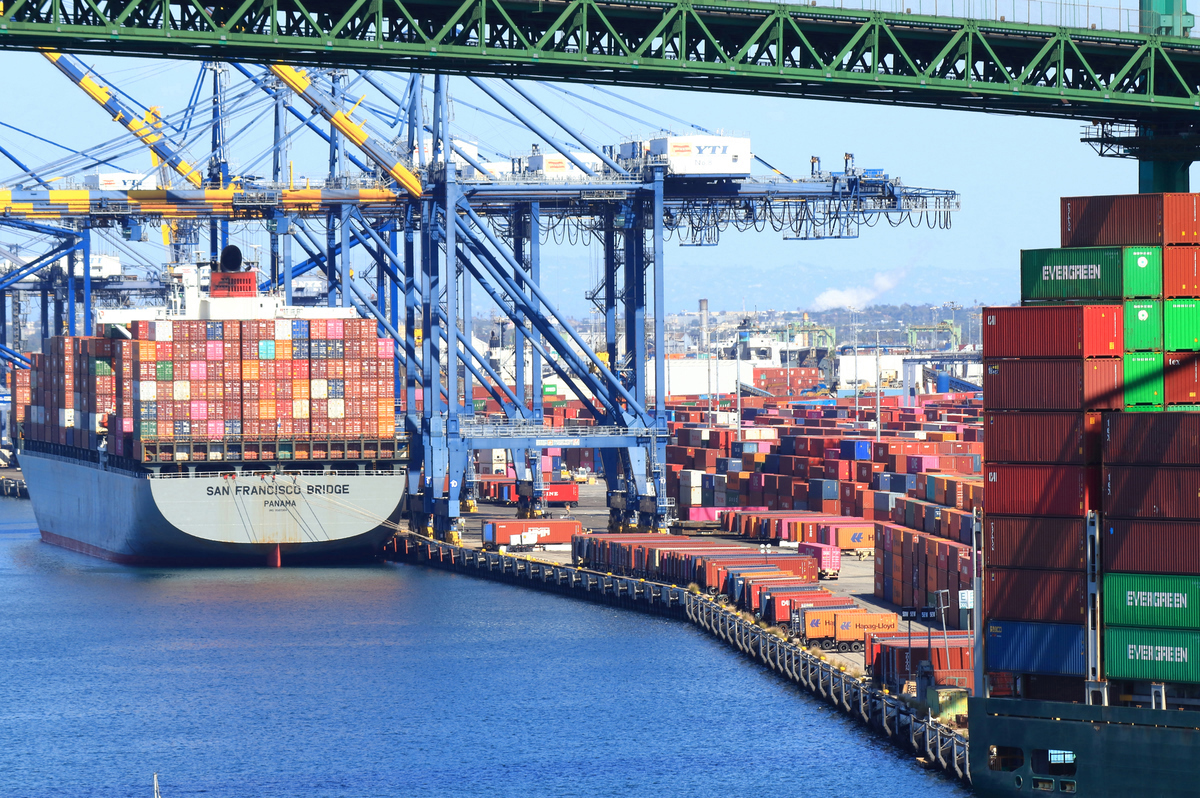
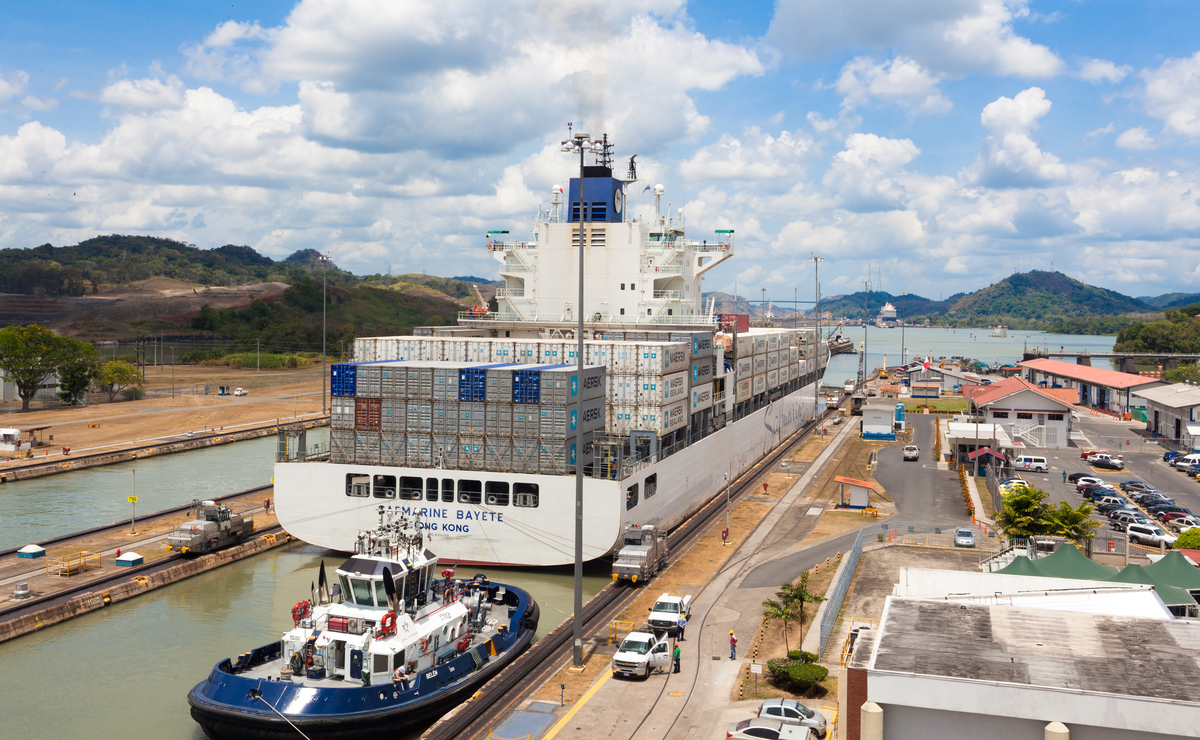 IMAGES: Container ship crossing over the Miraflores locks at the Panama Canal. Getty Images.
Changes on the day to 07.00 CST (13.00 GMT) today:
- VLSFO prices up in Los Angeles ($18/mt), Houston, Balboa ($8/mt) and New York ($3/mt)
- LSMGO prices up in New York ($16/mt) and Houston ($12/mt), and down in Los Angeles ($10/mt) and Balboa ($9/mt)
- HSFO prices up in Los Angeles ($9/mt), Houston, New York ($5/mt) and Balboa ($3/mt)
Balboa's LSMGO price has declined in the past day, defying Brent’s upward movement, after a lower-priced 50–150 mt LSMGO stem, fixed at $720/mt, put downward pressure on the benchmark.
Bunker fuel demand in Panama has seen a modest increase, a source said.
VLSFO and HSFO are tight at the ports of Balboa and Cristobal, requiring lead times of over 7 days. LSMGO is available with shorter lead times of 3–5 days.
In Argentina’s Zona Comun, lead times for VLSFO and LSMGO are currently between 8–10 days.
High wind gusts are expected to disrupt bunkering operations at the anchorage between 19-21 February, a trader tells ENGINE.
Brent
The front-month ICE Brent contract has gained by $0.62/bbl on the day to trade at $68.53/bbl at 07.00 CST (13.00 GMT) today.
Upward pressure:
Brent crude’s price has felt upward pressure as tensions continue to build around Iran-US talks.
Iran’s military forces have held drills in the Strait of Hormuz, ahead of the highly anticipated nuclear talks later today, Reuters reported, citing Iran’s semi-official news agency Tasnim.
Market analysts view the move as a sign of Tehran’s willingness to safeguard the vital shipping corridor widely used by global maritime operators, should the negotiations fail to produce a breakthrough.
Oil risk premium continues to build “following Iranian naval drills carried out just ahead of US nuclear talks,” two analysts from ING Bank noted.
Downward pressure:
Representatives from Washington and Tehran will hold a second round of indirect talks in Geneva later today.
If the talks yield a positive outcome, they could ultimately help alleviate supply concerns stemming from the Middle East. Notably, Iran is the fourth-largest OPEC member, producing around 3.2 million b/d of crude oil.
The talks primarily aim to discuss Iran’s nuclear enrichment programme – something Washington has consistently opposed.
Separately, market analysts are eyeing discussions between Russia and Ukraine, that are supposed to resume today.
“The market remains unsettled amid ongoing geopolitical uncertainties, with investors staying cautious due to the pending US-Iran and Ukraine negotiations this week,” ANZ Bank’s senior commodity strategist Daniel Hynes said.
By Gautamee Hazarika and Aparupa Mazumder
Please get in touch with comments or additional info to news@engine.online