Americas Market Update 3 Mar
Fuel prices have mostly moved upward, and the Houston Ship Channel has been closed to all traffic.
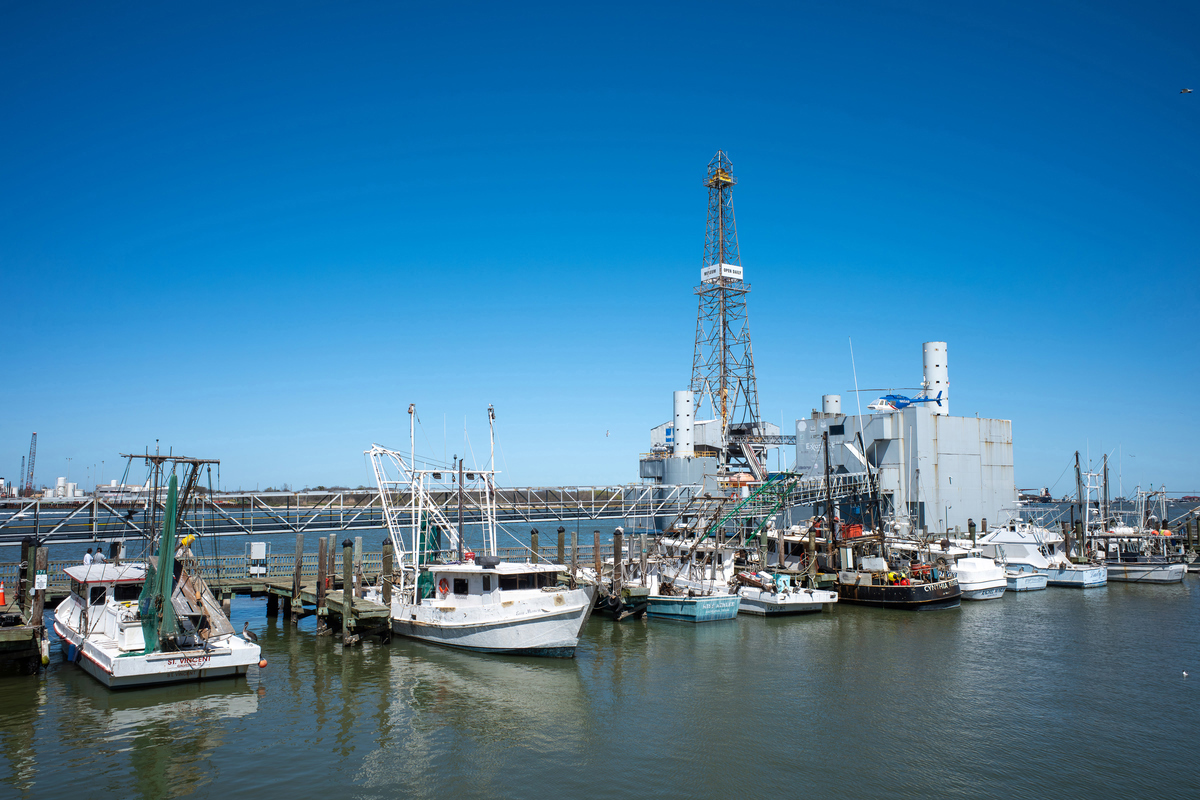 IMAGE: Boats docked at the Marina on Galveston Island. Getty Images.
Changes on the day to 07.00 CST (13.00 GMT) today:
- VLSFO prices up in New York ($39/mt), Houston ($30/mt), Balboa ($11/mt), Los Angeles and Zona Comun ($8/mt)
- LSMGO prices up in Houston ($82/mt), Balboa ($45/mt), New York ($31/mt), Zona Comun ($26/mt), and Los Angeles ($11/mt)
- HSFO prices up in Houston ($14/mt), New York ($11/mt), Los Angeles ($7/mt), and down in Balboa ($11/mt)
Balboa's HSFO price has defied both, the broader market direction as well as Brent’s upward movement, by being the only benchmark to decline over the past day, resulting in a widened Hi5 spread of $111/mt today.
All three conventional grades at the port are tight for prompt delivery this week, with lead times ranging between 5–7 days.
In the US Gulf Coast, the Houston Ship Channel is closed to all traffic today due to dense fog in the region, which has reduced visibility. This is expected to impact roughly 16 dockings and 11 sailings, a ship agency has said.
In Houston, suppliers have recommended lead times of 7–10 days for HSFO and VLSFO, while LSMGO can be secured within 5–7 days.
In Argentina's Zona Comun, bunker operations have also been suspended due to high wind gusts in the region, and deliveries are expected to be delayed through the week, a source has said.
Brent
The front-month ICE Brent contract has increased by $3.5/bbl on the day, to trade at $82.44/bbl at 7.00 CST (13.00 GMT) today.
Upward pressure:
Oil prices have risen for a second straight session as the expanding US–Israeli confrontation with Iran and mounting threats to shipping through the Strait of Hormuz have intensified concerns over potential supply disruptions from the Middle East.
On Monday, the US and Israeli air campaign against Iran broadened, with Israel striking targets in Lebanon and Iran retaliating with attacks on energy infrastructure in Gulf states and on tankers operating in the Strait of Hormuz. Both tankers and container vessels are steering clear of the passage after insurers withdrew coverage for ships transiting the corridor, according to Reuters.
“Crude oil prices surged as the war in the Middle East led to immediate disruptions to oil supplies… Traffic through the Strait of Hormuz has come to a halt as insurance firms revoke policies on vessels transiting the waterway,” said Daniel Hynes, senior commodity strategist at ANZ Bank.
“While there are concerns about oil flows through the Strait of Hormuz, a greater risk to the market would be Iran targeting additional energy infrastructure in the region. This could lead to more prolonged outages,” two analysts from ING Bank added.
Downward pressure:
Brent crude is not facing any notable downside pressure today, but traders are watching closely for the upcoming US crude inventory report.
Last week, the US Energy Information Administration (EIA) recorded a sharp build of 16 million bbls in US crude stocks.
An increase in inventories typically signals softer demand, which can weigh on Brent futures.
Meanwhile, eight members of OPEC+ have agreed to raise collective oil production by 206,000 b/d in April.
The planned output hike could add further downward pressure on Brent, as it heightens concerns about a possible oversupply in the market.
By Gautamee Hazarika and Tuhin Roy
Please get in touch with comments or additional info to news@engine.online