East of Suez Fuel Availability Outlook 27 Oct
Bad weather keeps bunkering halted in Zhoushan
Bunker demand low across several South Korean ports
Bunker demand drops in Jeddah
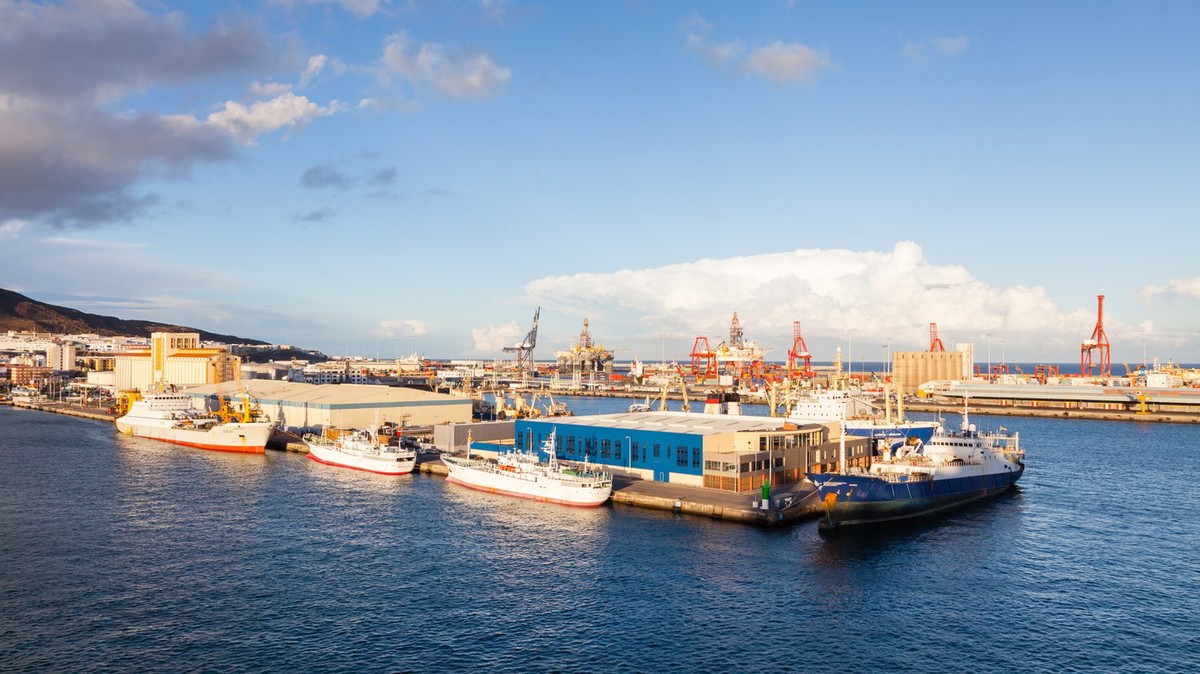
 IMAGE: Toyko bay at sunset. Getty Images
Singapore and Malaysia
Bunker fuel availability remains tight in Singapore, with constrained fuel oil inventories. Reduced supply flows and tightening inventories across East of Suez continue to weigh on availability at the port.
VLSFO lead times start at around 13 days at the earliest, and some suppliers recommend more than three weeks. Lead times were 12-15 days last week. HSFO lead times stand at around 10 days but stretch to as long as three weeks, almost unchanged from last week. LSMGO needs 9-11 days, compared with 7-14 days last week.
Bunker supply in Port Klang, Malaysia, stays constrained across multiple grades. Prompt VLSFO availability is particularly tight, LSMGO supply is limited and HSFO availability faces continued pressure.
East Asia
VLSFO and HSFO availability remains tight in Zhoushan despite subdued demand, with several suppliers reporting low inventories and reduced imports, a source said. VLSFO lead times have shortened to eight days from 12 days last week, while HSFO lead times remain unchanged at 12 days. LSMGO availability has improved, with lead times falling to around four days from 12 days a week earlier.
Bunker operations across Zhoushan have been suspended since last week due to rough weather brought by Typhoon Champi, the source said. The more sheltered Xiushandong briefly resumed operations yesterday before suspending them again. Operations could resume on 28 October as weather conditions are expected to improve.
Supply conditions vary across other Chinese ports. Dalian and Qingdao have sufficient VLSFO and LSMGO stocks, although HSFO availability remains tight in Qingdao. Tianjin is facing shortages across all three major fuel grades, while VLSFO and HSFO supplies are limited in Shanghai. LSMGO availability in Shanghai remains relatively stable.
Supply constraints also persist in southern China, with suppliers in Fuzhou, Xiamen, Yangpu and Guangzhou reporting shortages of VLSFO and LSMGO.
Hong Kong’s bunker market remains stable, with suppliers recommending lead times of around seven days for the major fuel grades.
In Taiwan, VLSFO and LSMGO deliveries are available within two days at Keelung. Lead times are slightly longer at Hualien, Kaohsiung and Taichung, at around three days, largely unchanged from the previous week.
Bunker demand has softened across South Korea as rising Brent futures have pushed benchmark prices higher. Busan’s VLSFO price has climbed by around $100/mt since the beginning of October to approximately $1,069/mt, according to a South Korean trader.
At southern ports, including Busan, Ulsan, Masan, Onsan, Yeosu and Kwangyang, lead times for all major fuel grades have increased to around 5–8 days from 3–6 days a week earlier. In contrast, availability has improved at western ports, including Incheon, Daesan, Dangjin, Pyeongtaek and Taean. Lead times for VLSFO, LSMGO and HSFO at these ports have fallen to 5–8 days from around 15 days previously.
Adverse weather could disrupt bunker operations at several South Korean ports in the coming days. Busan and Ulsan may face interruptions on 28 October, 30–31 October and 1–4 November. Operations at Yeosu could be affected from 30 October to 1 November, while Daesan may experience disruptions between 27 October-1 November.
VLSFO and HSFO availability remains severely constrained at several Japanese ports, including Tokyo, Chiba, Kawasaki, Nagoya, Yokkaichi, Osaka, Kobe, Mizushima, Tokuyama and Oita, where VLSFO stocks are nearly depleted. Most offers are subject to enquiry, and VLSFO is available only through spot offers in Tokyo, Chiba and Kawasaki. Term slots have been cancelled at these ports.
Kashima is also experiencing tight availability of VLSFO and HSFO.
Oceania
Bunker fuel supply remains stable in Western Australia, with VLSFO readily available at Kwinana and Fremantle. Suppliers at both ports recommend lead times of around seven days. Each port has only one supplier, and all bunker deliveries are made by barge.
Supply conditions are mixed along Australia’s east coast. Port Kembla has normal VLSFO availability, with deliveries possible by truck or pipeline. Sydney has sufficient VLSFO and LSMGO stocks, although HSFO availability is tighter, with suppliers generally requiring around seven days’ notice.
Brisbane and Gladstone have ample supplies of VLSFO and LSMGO, with lead times of approximately one week. In contrast, VLSFO availability has tightened in Melbourne and Geelong, where one supplier has reported that stocks are nearly depleted. The supplier is awaiting replenishment cargoes, with constraints expected to persist until the first week of November. HSFO availability has also tightened further in Melbourne and Brisbane.
The approaching cyclone season could pose additional risks to bunker operations across Australia, a source said. Running from November to April, the season could disrupt fuel availability at ports nationwide.
New Zealand’s bunker market remains broadly stable, with VLSFO readily available at Tauranga and Auckland. Suppliers at both ports are recommending lead times of around four days. At Marsden Point, vessels can receive VLSFO and LSMGO directly through the pipeline.
Adverse weather remains the main operational risk in New Zealand, particularly in Wellington and ports across the South Island, where disruptions to marine operations could delay bunker deliveries.
In Papua New Guinea, bunker fuel availability remains tight across all major grades at the ports of Rabaul and Lae.
South Asia
Weather-related disruptions are expected at India’s Visakhapatnam port from 27–31 October, potentially delaying bunker operations.
Very severe cyclonic storm Arnab was located about 140 km from Kakinada and 170 km from Visakhapatnam at noon on Tuesday, according to the India Meteorological Department (IMD). The storm is expected to cross the coast just south of Yanam by Wednesday forenoon, bringing winds of 125–135 kmph and gusts of up to 150 kmph. A storm surge of 1–2 metres could inundate low-lying areas near Kakinada and Yanam.
The intensifying cyclone is moving towards the Andhra Pradesh coast, prompting storm warnings at several ports. Kakinada Port has been placed under the highest-level warning, while Visakhapatnam, Gangavaram, Machilipatnam and Nizampatnam ports have received high-level maritime storm warnings.
In Sri Lanka, intermittent weather-related disruptions are forecast at Colombo from 27–29 October and at Trincomalee from 27–30 October, potentially delaying bunker deliveries at both ports.
Middle East
“The Middle Eastern bunker market continues to face supply and operational challenges amid regional security concerns and disruptions to vessel movements,” a Middle East-based source said.
“In the UAE, Fujairah and Khor Fakkan continue to experience supply constraints, particularly for LSMGO, alongside significant price volatility,” the source added.
VLSFO availability in Fujairah has improved despite ongoing disruptions to vessel traffic through the Strait of Hormuz amid US-Iran tensions, a regional source said. However, supplies of LSMGO and HSFO remain limited.
In Saudi Arabia, bunker demand has eased slightly, while fuel availability and delivery schedules vary by port. Jeddah generally maintains stable LSMGO supplies, although deliveries remain subject to confirmation.
Adverse weather could intermittently disrupt bunkering operations at Jeddah on 30 October and at Yanbu on 29–30 October.
LSMGO supplies remain stable at key Omani ports, including Salalah, Muscat, Duqm and Sohar. One supplier is recommending lead times of 1–2 days for standard stems, largely unchanged from the previous week.
In Qatar, Ras Laffan continues to face supply restrictions, while bunker fuel inventories at Egypt’s Port Suez are critically low. Across the region, LSMGO availability, prices and lead times remain uncertain at several ports. Early enquiries are recommended to secure supplies and confirm delivery schedules on a case-by-case basis.
Adverse weather is also expected to disrupt bunkering operations at Port Said on 29–30 October.
Djibouti, meanwhile, is facing limited availability across the major fuel grades.
By Tuhin Roy
Please get in touch with comments or additional info to news@engine.online