East of Suez Market Update 10 June
Most East of Suez prices have moved lower, while availability of all fuel grades remains extremely tight in several UAE ports.
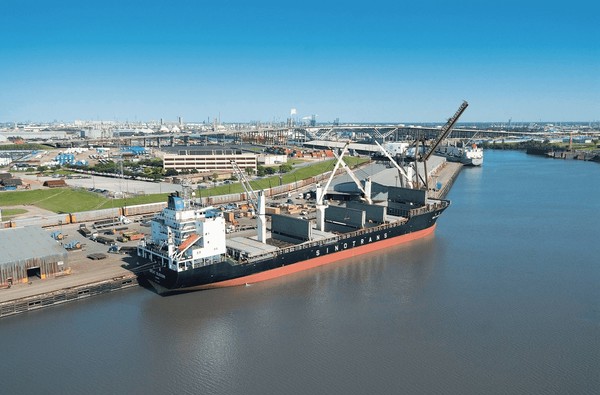
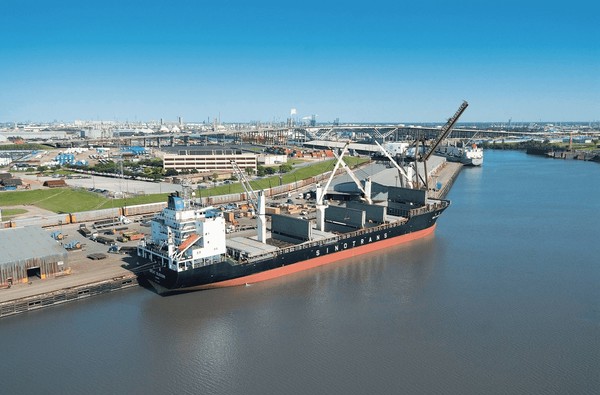
 IMAGE: Large cargo ships docked to load and unload goods at Khor Fakkan port, UAE. Getty Images
Changes on the day to 17.00 SGT (09.00 GMT) today:
- VLSFO prices down in Singapore ($37/mt), Zhoushan ($24/mt) and Fujairah ($23/mt)
- LSMGO prices down in Fujairah ($25/mt), Zhoushan ($24/mt) and Singapore ($19/mt)
- HSFO prices up in Fujairah ($6/mt), and down in Zhoushan ($11/mt) and Singapore ($10/mt)
- B30-VLSFO price down in Singapore ($13/mt)
Singapore's VLSFO price has fallen by $37/mt over the past day, marking the sharpest decline among the three major Asian bunker hubs. The port's benchmark is at a substantial discount of $454/mt to Fujairah and $6/mt to Zhoushan.
Fujairah's VLSFO price has dropped by $23/mt, while its HSFO price has risen by $6/mt, narrowing the port’s Hi5 spread from $562/mt to $533/mt. Even after the contraction, Fujairah’s Hi5 spread remains significantly higher than those in Singapore ($136/mt) and Zhoushan ($122/mt).
Meanwhile, bunker availability in the UAE ports of Fujairah and Khor Fakkan has tightened considerably, with only a limited number of suppliers currently offering fuel and many responding to enquiries only on a selective basis, according to a trader.
For VLSFO and LSMGO, just one supplier currently has available stocks in Fujairah, with most quotations issued only against firm enquiries. HSFO availability is slightly less constrained, with two suppliers able to supply the grade.
Supply conditions in Khor Fakkan are also tight across all bunker grades, with suppliers evaluating requests individually before making offers.
The shortage stems primarily from a lack of incoming cargoes, leaving bunker barges without sufficient product to load. Although replenishment cargoes were expected to arrive in the past two weeks, there remains no clear timeline for their arrival, according to the trader.
Barges that had previously loaded fuel continue to offer volumes until their inventories are depleted, but much of this product has already been sold. Suppliers have cautioned that Fujairah and Khor Fakkan could effectively run out of bunker fuel in the coming days if expected cargoes fail to arrive and the remaining barge stocks become fully committed.
Fuel oil imports into Fujairah have been declining steadily since March amid the ongoing Middle East crisis. Imports averaged 14,000 b/d in March, fell to zero in April, and recovered only marginally to 7,000 b/d in May. So far this month, imports have averaged 6,000 b/d, according to cargo-tracking firm Vortexa.
The trader added that even if fresh cargoes arrive, bunker prices are likely to remain at elevated premiums.
Bunker supply in Dubai is also under pressure, with suppliers largely issuing offers only on a firm-enquiry basis.
Brent
The front-month ICE Brent contract has declined by $1.51/bbl on the day, to trade at $91.06/bbl at 17.00 SGT (09.00 GMT) today.
Upward pressure:
Brent crude’s price has felt some upward pressure after the American Petroleum Institute (API) reported a substantial decline in US crude stocks.
US crude oil inventories plunged by 9.1 million bbls in the week ending 5 June, according to the API.
Market participants had expected a much smaller draw of 3.4 million bbls.
A decline in US crude stocks indicate tightness in US oil market and may put some upward pressure on Brent's price.
“The latest data from the American Petroleum Institute (API) continues to show a tightening in the US oil market,” two analysts from ING Bank noted.
Downward pressure:
Brent’s price has declined, following news that Israel and Iran have agreed to stop the fire exchange for the time being.
Israeli Prime Minister Benjamin Netanyahu said the Israel Defense Forces (IDF) will refrain from attacking Iranian sites “for now.”
The news has renewed hopes of a broader ceasefire deal between the US and Iran – a move that could eventually reopen the Strait of Hormuz to commercial vessel traffic.
“This weakness [in Brent’s price] came amid renewed hopes of an imminent deal between the US and Iran, following both Israel and Iran calling an end to the strikes over the weekend,” ING Bank’s analysts said.
The latest data coming out of China has put additional downward pressure on Brent’s price today.
China’s total oil imports declined by 3.2 million b/d year-on-year in May to about 7.8 million b/d, Bloomberg reported, citing Chinese customs data. It marked the “lowest level since October 2017,” according to ING Bank’s analysts.
By Tuhin Roy and Aparupa Mazumder
Please get in touch with comments or additional info to news@engine.online