East of Suez Market Update 12 Nov
LSMGO prices across East of Suez ports have mostly risen, while HSFO prices have mostly fallen. Availability of all grades remains tight in Fujairah.
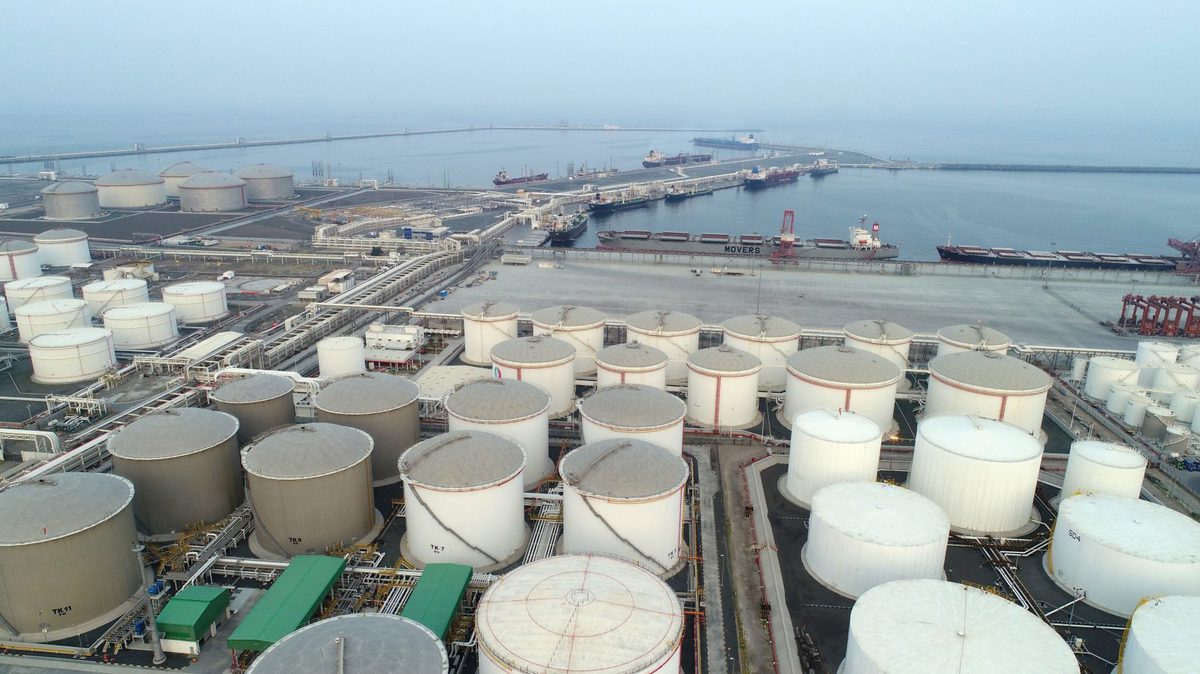
IMAGE: Oil storage tanks in Fujairah, UAE. Port of Fujairah
Changes on the day to 17.00 SGT (09.00 GMT) today:
- VLSFO prices up in Zhoushan ($15/mt), Fujairah ($2/mt), and down in Singapore ($13/mt)
- LSMGO prices up in Fujairah ($39/mt), Singapore ($19/mt), and down in Zhoushan ($6/mt)
- HSFO prices unchanged in Singapore, and down in Zhoushan ($23/mt) and Fujairah ($13/mt)
Zhoushan’s VLSFO price has risen by $15/mt, the steepest increase among the three major Asian bunker ports. The price now stands at a $40/mt premium to Singapore and a $30/mt premium to Fujairah.
Zhoushan’s Hi5 spread has widened from $109/mt to $147/mt but remains below Fujairah’s $247/mt and Singapore’s $173/mt.
Fujairah’s LSMGO price has gained another $39/mt over the past day, surging by $98/mt in two days. Its premium over Zhoushan’s LSMGO has widened by $45/mt to $355/mt, and the premium over Singapore has risen by another $20/mt to $427/mt.
Fujairah’s LSMGO benchmark also holds a premium over other major East of Suez ports. The premiums have widened by $57/mt to $407/mt over Busan, by $26/mt to $277/mt over Port Klang and by $8/mt to $363/mt over Hong Kong.
Supply remains tight in Fujairah across all three grades, for prompt dates and further out.
Brent
The front-month ICE Brent contract has gained by $1.21/bbl on the day, to trade at $92.76/bbl at 17.00 SGT (09.00 GMT) today.
Upward pressure:
Brent crude’s price has found some support as Iran hardened its stance against the US.
Iran’s security council secretary Mohsen Rezaei said in a televised interview that Iran will not allow any enriched nuclear material to leave the country and warned of consequences if the US launches new strikes, Reuters reported.
Washington has said nuclear issues must be part of any initial negotiations to end the war, Reuters reported.
Rezaei also dismissed claims that talks with Washington are under way and said reports of a recent meeting in Qatar were “pure lies” meant to calm energy markets and curb oil prices.
Crude oil exports from the Middle East “continue to rely on alternative routes around the Strait of Hormuz, leaving supply vulnerable to further disruption,” two analysts at Dutch bank ING said.
Downward pressure:
Brent’s gains have been capped by a recovery in Middle East oil output and a build in US crude stocks.
OPEC’s crude production rose by almost 2 million b/d in October to 27.16 million b/d, led by Saudi Arabia, Iraq and Kuwait, ING’s analysts said. Output from Saudi Arabia, the group’s de facto leader, climbed to 9.2 million b/d, close to pre-war levels.
Meanwhile, US crude oil inventories rose by 9 million bbls in the week ending 6 November, according to estimates from the American Petroleum Institute (API).
A build in US crude stocks typically indicates lower demand for oil and can put some downward pressure on Brent’s price.
By Konica Bhatt and Aparupa Mazumder
Please get in touch with comments or additional info to news@engine.online