Europe & Africa Market Update 10 Feb
Most fuel prices across European and African ports have gained, and prompt LSMGO and VLSFO supplies remain tight in the ARA.
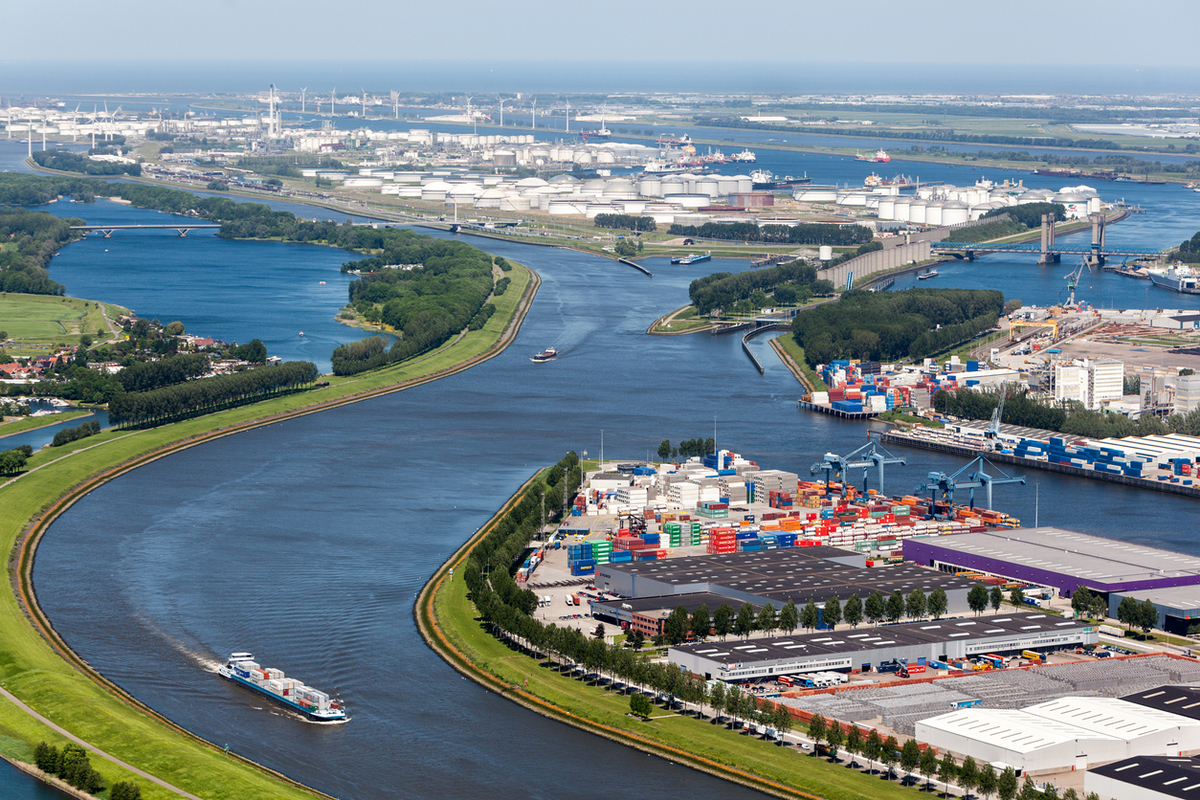
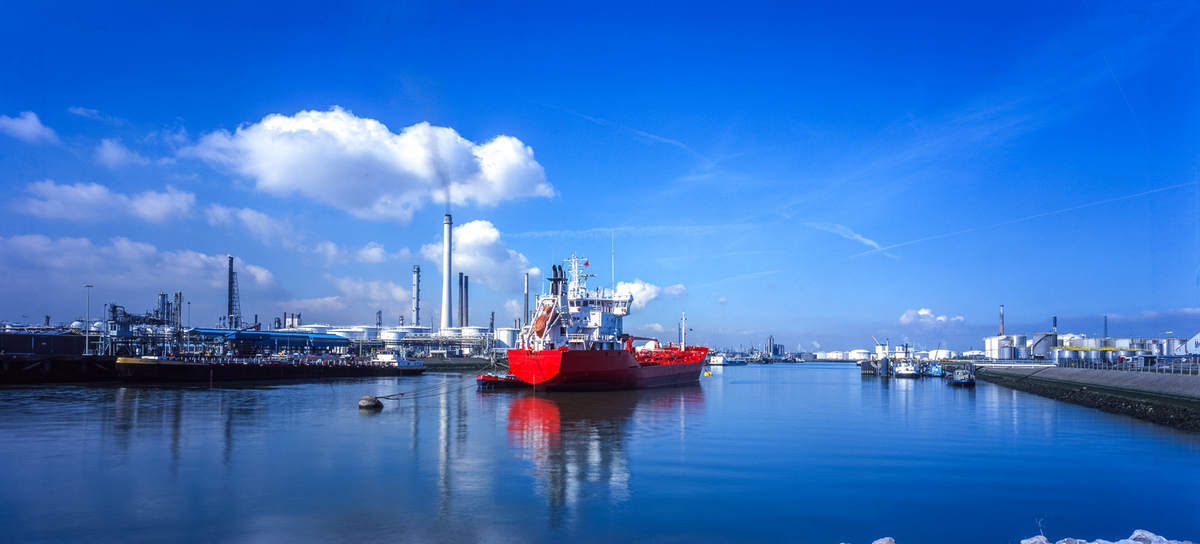 IMAGE: View of the entrance to the Port of Rotterdam, Netherlands. Getty Images
Changes on the day to 09.00 GMT today:
- VLSFO prices up in Rotterdam ($25/mt) and Durban ($22/mt), and down in Gibraltar ($4/mt)
- LSMGO prices up in Rotterdam ($29/mt), and down in Gibraltar ($5/mt)
- HSFO prices up in Rotterdam ($20/mt), Gibraltar ($16/mt) and Durban ($15/mt)
- B30-VLSFO prices up in Rotterdam ($7/mt), and down in Gibraltar ($8/mt)
Bunker fuel prices have mostly risen across the three major ports over the past day, supported by a rebound in Brent.
In contrast, Gibraltar’s VLSFO price has edged lower, likely pressured by a lower-priced 150–500 mt stem, fixed at $459/mt.
As a result, Rotterdam’s VLSFO price is now just $7/mt below Gibraltar’s, compared with a $36/mt discount a day earlier.
Gibraltar’s LSMGO price has also slipped, while Rotterdam's LSMGO price recorded a significant increase over the past session. This has narrowed Rotterdam’s price discount by $34/mt since yesterday.
Supplies of both VLSFO and LSMGO are tight for prompt delivery dates in the ARA bunkering hub, with buyers advised to book stems with around 5-7 days of lead time, a trader told ENGINE. HSFO supplies are available more readily with a notice of 2-4 days.
Brent
The front-month ICE Brent contract has gained by $1.99/bbl on the day, to trade at $69.40/bbl at 09.00 GMT.
Upward pressure:
Brent crude has moved closer to $70/bbl with the Iran risk premium resurfacing in the global oil market.
The US Department of Transportation has issued an advisory for all US-flagged commercial vessels to steer clear of Iranian waters.
This development has brought back fears of a potential US military action in the oil-rich region, according to market analysts.
“This raised concerns that talks between the US and Iran are breaking down and thus lifting the risk of military action, which could disrupt oil supplies in the region,” ANZ Bank’s senior commodity strategist Daniel Hynes noted.
Downward pressure:
The total number of rigs drilling for crude oil in the US rose by one to 412 units last week, according to Baker Hughes.
The US oil rig count is seen as an indicator of future oil production. It reflects how much oil drilling activity is happening or expected to happen in the shale sector.
In an oversupplied market, any signal of increased future supply can put downward pressure on Brent’s price.
By Nachiket Tekawade and Aparupa Mazumder
Please get in touch with comments or additional info to news@engine.online