Europe & Africa Market Update 15 June
Bunker prices across major European and African ports have mostly dropped, while congestion persists in Gibraltar.
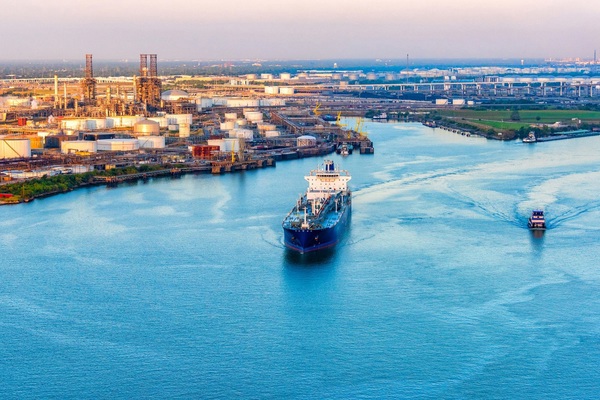
 IMAGE: Aerial view of the Bay of Gibraltar. Getty Images
Changes on the day from Friday to 09.00 GMT today:
- VLSFO prices up in Gibraltar ($7/mt) and down in Durban ($27/mt) and Rotterdam ($20/mt)
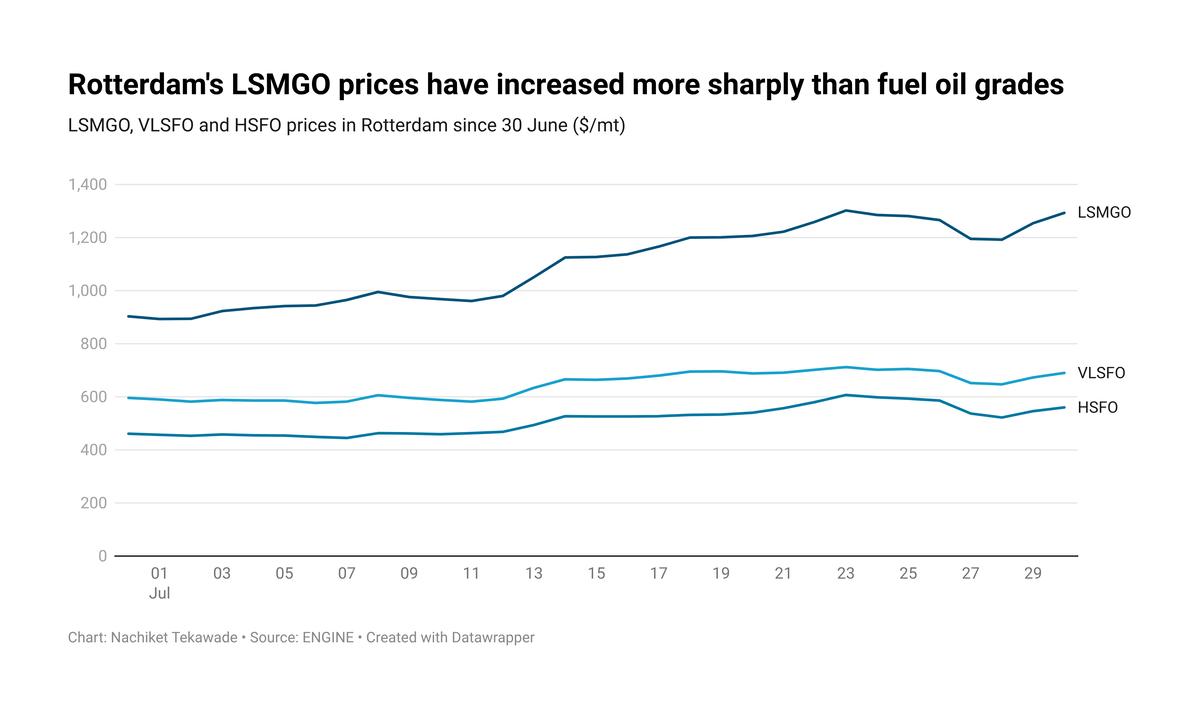
- LSMGO prices up in Durban ($17/mt) and down in Rotterdam ($39/mt) and Gibraltar ($19/mt)
- HSFO prices down in Gibraltar ($46/mt) and Rotterdam ($22/mt)
- B30-VLSFO prices down in Rotterdam ($11/mt)
Barring Gibraltar, regional VLSFO benchmarks have mostly declined over the weekend, tracking the fall in Brent’s price.
This has widened Gibraltar’s price premium over Rotterdam’s VLSFO benchmark by $27/mt since Friday.
Conversely, the Mediterranean port's HSFO price has fallen sharply, widening the port's Hi5 spread almost twofold from $54/mt to around $107/mt through the weekend.
Due to Rotterdam’s LSMGO price decrease being steeper than Gibraltar’s benchmark, the latter's price premium over the Dutch port has widened by $20/mt since Friday.
Fuel availability remains tight in Gibraltar for prompt delivery dates, and buyers are recommended lead times between 7-10 days for most deliveries, a trader said.
The port has seen a high influx of vessel calls in the past week, which has caused congestion in the port, port agent MH Bland told ENGINE.
Around 20 ships are waiting for bunkers in the port as of Monday morning, and some suppliers could be delayed by around 2-12 hours, the port agent added.
Brent
The front-month ICE Brent contract has lost $3.72/bbl on the day from Friday, to trade at $82.82/bbl at 09.00 GMT.
Upward pressure:
While there are no significant upward pressures on Brent’s price today, investors remain focused on the long-term viability of the US-Iran peace deal and the eventual reopening of the Strait of Hormuz to normal shipping traffic.
“Restarting infrastructure and logistics flows could take time, while some shipping operators may remain cautious about returning to the Strait in the near term,” two analysts from ING Bank noted.
Oil inventories and strategic stockpiles will need to be replenished following the recent disruptions, according to ING Bank’s analysts. This dynamic “should keep [oil] prices supported even as flows gradually resume,” the two analysts added.
Downward pressure:
Brent crude’s price has declined at the start of this week after US President Donald Trump declared a preliminary peace deal with Iran.
The deal guarantees the reopening of the Strait of Hormuz to commercial vessel traffic and the immediate removal of the US naval blockade of the region.
“Signs of progress toward a peace deal in the Middle East pushed crude oil prices to their lowest level since early March,” ANZ Bank’s senior market strategist Daniel Hynes said.
The final text of the agreement will be signed in Switzerland on Friday.
“Full details remain unclear, but reports suggest the agreement includes a halt to military activity across all fronts,” ING Bank’s analysts added.
By Nachiket Tekawade and Aparupa Mazumder
Please get in touch with comments or additional info to news@engine.online