Europe & Africa Market Update 16 Nov
Bunker prices in major European and African ports have mostly declined, and prompt fuel availability is tight in the ARA ports.
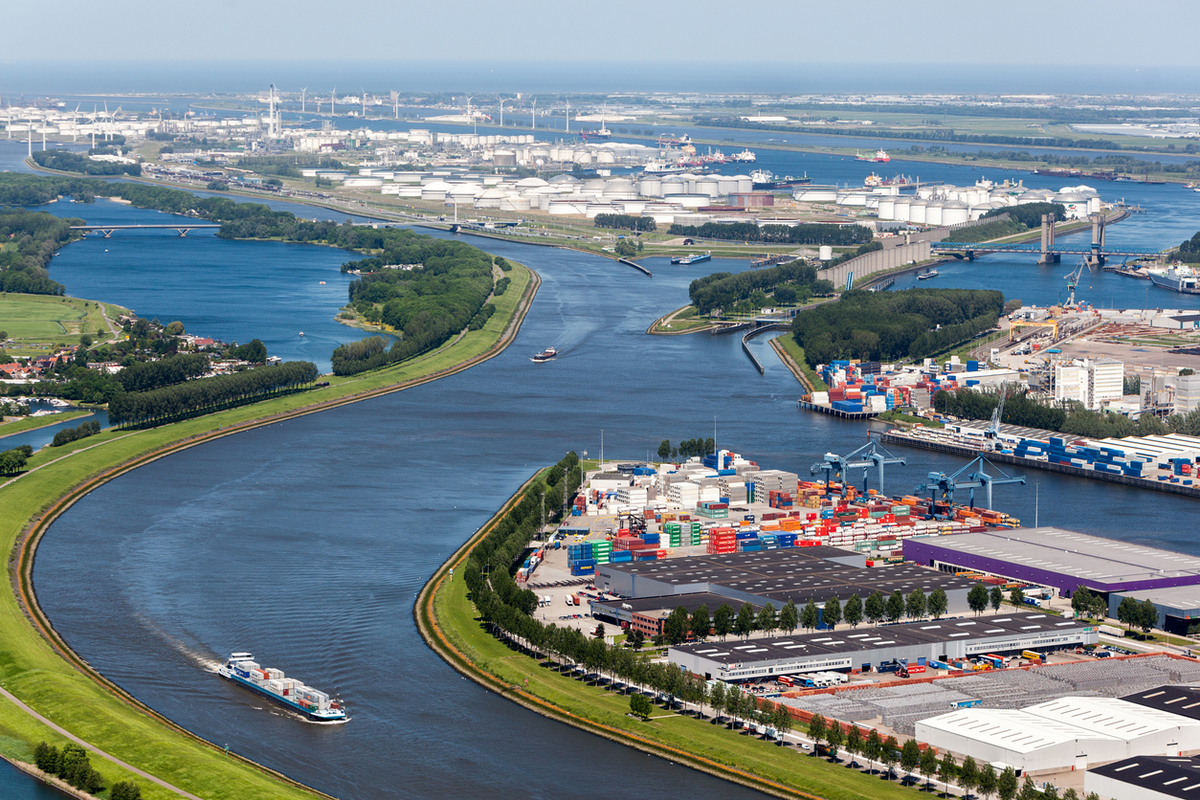 IMAGE: The Europoort area in the Port of Rotterdam. Getty Images
Changes on the day from Friday to 09.00 GMT today:
- VLSFO price up in Rotterdam ($1/mt), and down in Durban ($48/mt) and Gibraltar ($29/mt)
- LSMGO prices down in Durban ($98/mt), Rotterdam ($37/mt) and Gibraltar ($23/mt)
- HSFO prices down in Durban ($32/mt), Gibraltar ($23/mt) and Rotterdam ($16/mt)
Bunker prices have mostly dropped over the weekend, tracking the fall in Brent.
Meanwhile, Rotterdam’s VLSFO price has remained almost steady. This has narrowed its discount to Gibraltar’s VSLFO by $30/mt.
Neighbouring Antwerp’s HSFO and VLSFO bunker prices have also remained mostly steady over the weekend.
Rotterdam’s VLSFO price is trading at a $10/mt premium over Antwerp’s VLSFO, while its HSFO is priced $13/mt higher.
Meanwhile, Antwerp’s LSMGO price has gained $26/mt over the weekend. A small stem of less than 50 mt was fixed in the Belgian port at a high price of $1,364/mt. This has mostly influenced the price rise.
Consequently, Antwerp’s LSMGO price has flipped to a $54/mt discount to Rotterdam’s LSMGO price, compared to a $9/mt premium observed on Friday.
Rotterdam’s prices have run above Antwerp’s this year, a gap that may partly reflect the extra cost of Dutch RED III rules that Belgian suppliers may not yet face.
Antwerp’s LSMGO saw an average price discount of $2/mt in the first quarter, a $10/mt average discount in the second quarter and $11/mt in third quarter. Halfway through the fourth quarter, that price discount has widened to $24/mt, according to ENGINE’s prices.
Fuel availability is tight for prompt supplies in the ARA ports, with buyers advised lead times of 5-7 days to get good coverage from suppliers and secure deliveries at competitive prices, a trader told ENGINE.
Brent
The front-month ICE Brent contract has declined by $0.94/bbl on the day from Friday, to trade at $95.18/bbl at 09.00 GMT.
Upward pressure:
Brent crude’s price has found some support from continued attacks on tankers in the Strait of Hormuz.
Two oil tankers struck mines in the Strait of Hormuz, leading to explosions, Reuters reported, citing Iran’s Islamic Revolutionary Guard Corps (IRGC). Notably, these claims have not been independently verified.
The International Maritime Organization (IMO), which counts only incidents it has confirmed, recorded 35 across the wider Middle East in October, 18 of them in the strait. As of 11 November, it had confirmed 136 incidents involving ships in the region, since the US-Iran war began.
The threat of renewed hostilities “remains ever persistent”, ANZ Bank’s senior commodity strategist Daniel Hynes said.
Downward pressure:
Brent’s price has come under pressure after the International Energy Agency (IEA) said the global oil market would return to a surplus in the fourth quarter.
Global oil supply increased by 2.3 million b/d, to 105.4 million b/d in October, largely driven by growing output from the Persian Gulf producers, despite ongoing attacks on energy infrastructure and commercial tankers, the IEA noted.
Supply has surpassed demand for the first time since the war in Iran began, the Paris-based agency added.
By Nachiket Tekawade and Aparupa Mazumder
Please get in touch with comments or additional info to news@engine.online