Europe & Africa Market Update 18 Dec
Bunker fuel prices in major European and African ports have largely remained rangebound, and prompt supplies remain tight in the ARA bunkering hub.
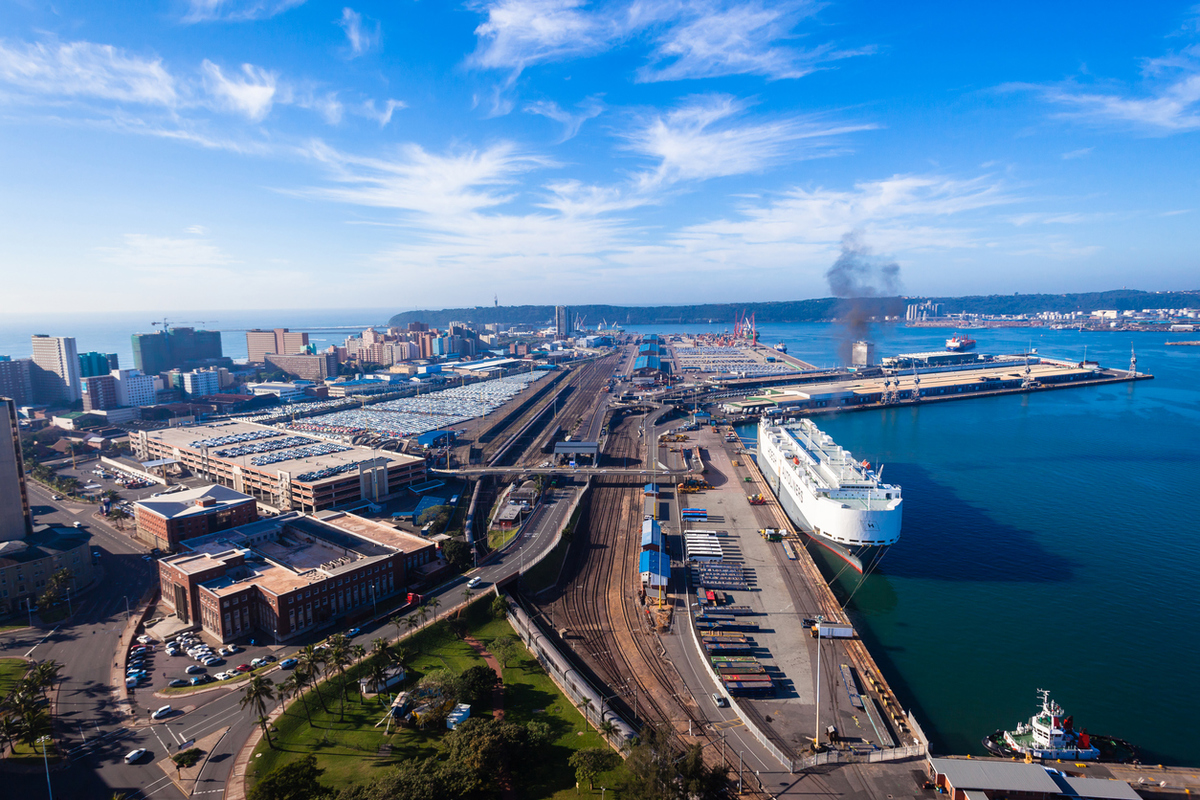
 IMAGE: View of the entrance to the Port of Rotterdam, Netherlands. Getty Images
Changes on the day to 09.00 GMT today:
- VLSFO prices up in Durban ($4/mt) and Rotterdam ($2/mt), and down in Gibraltar ($12/mt)
- LSMGO prices up in Rotterdam ($4/mt), and down in Gibraltar ($3/mt)
- HSFO prices up in Gibraltar ($4/mt) and Durban ($2/mt), and unchanged in Rotterdam
- Rotterdam B30-VLSFO premium over VLSFO up $1/mt to $240/mt
- Gibraltar B30-VLSFO premium over VLSFO up $17/mt to $380/mt
The significant decline in Gibraltar’s VLSFO price over the past session has decreased its premium over Rotterdam’s VLSFO price by $14/mt in a single session.
While LSMGO’s price has shown a modest increase in Rotterdam, the benchmark has fallen significantly in the neighbouring ports of Amsterdam and Antwerp.
A $16/mt drop in Amsterdam’s LSMGO price has narrowed its premium over Rotterdam by $20/mt, to just $12/mt.
Antwerp’s LSMGO price has dropped $12/mt over the past day, narrowing its premium over Rotterdam by $16/mt, to just a $6/mt price difference.
Bunker availability remains tight in the ARA bunkering hub for prompt deliveries, with buyers advised to enquire about stems with a higher lead time of 5-7 days for coverage by more suppliers, a trader told ENGINE.
Notably, use of mass flow metres (MFMs) on board bunker vessels will become mandatory for all deliveries of fuel oil, gasoil and biofuels in the ports of Rotterdam and Antwerp-Bruges from 1 January 2026, and failure to get MFMs certified before that date can lead to fines or revocation of licenses.
Brent
The front-month ICE Brent contract has lost by $0.27/bbl on the day, to trade at $60.03/bbl at 09.00 GMT.
Upward pressure:
Brent crude’s price has felt some upward pressure after the US Energy Information Administration (EIA) released its latest crude stocks report.
Commercial US crude oil inventories have decreased by 1.3 million bbls to 424.4 million bbls for the week ending 12 December, according to data from the EIA.
The draw was primarily driven by “stronger exports over the week, with crude oil exports increasing 655k b/d WoW [655,000 b/d week-on-week] to 4.66m b/d [4.66 million b/d],” remarked two analysts from ING Bank.
A drop in US crude stocks usually signals stronger demand and can offer some support to Brent’s price.
Downward pressure:
Oil market participants are closely monitoring developments in Ukraine peace talks, which could bring an end to the four-year conflict with Russia.
According to media reports, Ukrainian President Volodymyr Zelensky said earlier this week that the US-mediated peace talks were in progress.
Market analysts believe that a deal could potentially ease energy-related sanctions on Moscow, returning additional barrels to a global market already facing concerns of a supply glut.
“While Russian seaborne oil exports have held up well since the imposition of sanctions on Rosneft and Lukoil, this oil is still struggling to find buyers,” ING Bank’s analysts said.
“The result is a growing volume of Russian oil at sea,” they further added.
By Nachiket Tekawade and Aparupa Mazumder
Please get in touch with comments or additional info to news@engine.online