Europe & Africa Market Update 3 Nov
Bunker prices in major European and African ports have moved in mixed directions, while prompt fuel availability is tight at ports in the Gibraltar Strait.
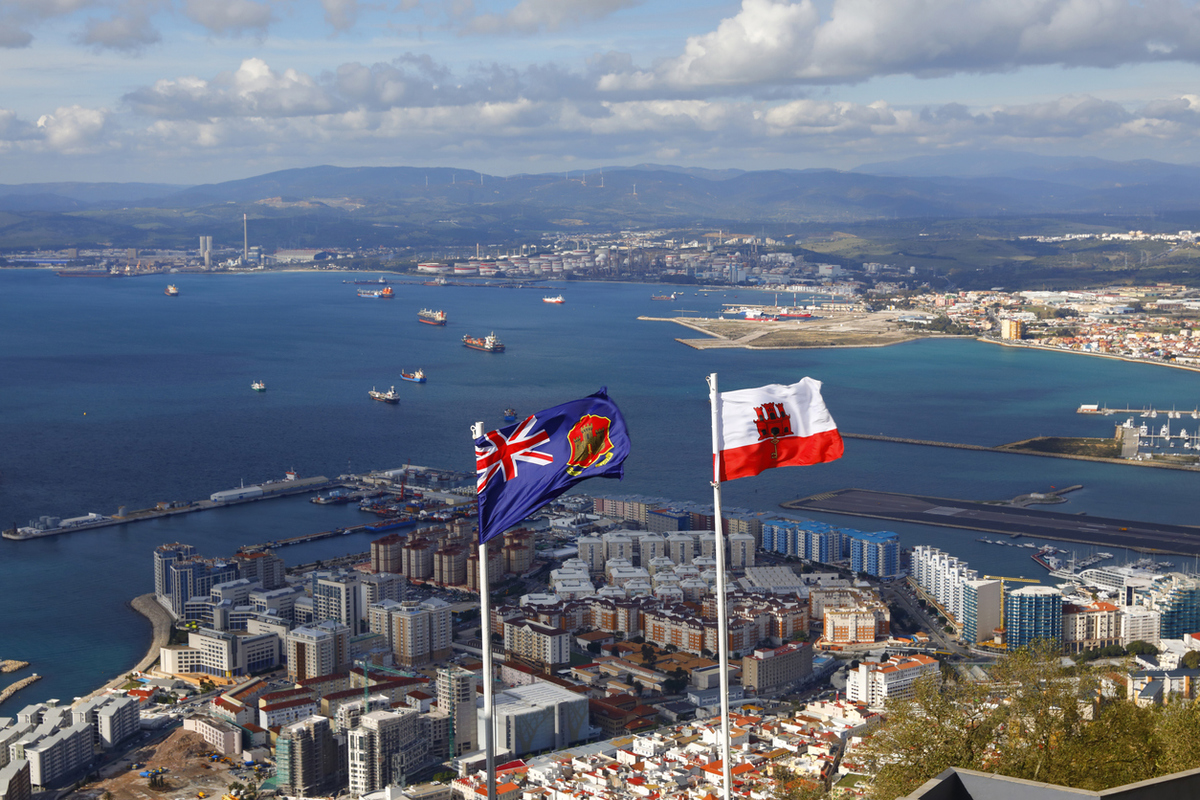 IMAGE: View from the Rock of Gibraltar, UK to Algeciras, Spain. Getty Images
Changes on the day to 09.00 GMT today:
- VLSFO prices up in Rotterdam ($2/mt), and down in Durban ($10/mt) and Gibraltar ($1/mt)
- LSMGO prices up in Rotterdam ($12/mt), and down in Gibraltar ($58/mt) and Durban ($55/mt)
- HSFO prices down in Durban ($48/mt), Rotterdam ($21/mt) and Gibraltar ($4/mt)
Rotterdam’s LSMGO price has edged up, while Gibraltar’s LSMGO price has seen a steep drop.
A 500-1,500 mt stem, fixed at a lower price of $1,444/mt in Gibraltar, has put downward pressure on the benchmark. This has narrowed Gibraltar’s price premium over Rotterdam’s LSMGO price by $70/mt in a single day to $66/mt.
Fuel availability is tight for prompt supplies in the Gibraltar Strait ports, with buyers advised lead times of 7-10 days to secure deliveries at competitive prices, a trader told ENGINE.
Two suppliers in Gibraltar are delayed by 4-6 hours on supplies, while one supplier is running between 8-12 hours late on deliveries, port agent MH Bland said.
In neighbouring Algeciras, some suppliers are running between 8-12 hour late, the port agent added.
In Ceuta, ex-pipe supplies are on schedule, while barge deliveries could be delayed by 4-6 hours, according to MH Bland.
Brent:
The front-month ICE Brent contract has decreased by $2.46/bbl on the day, to trade at $106.42/bbl at 09.00 GMT.
Upward pressure:
Brent has received support from escalating geopolitical tensions, following reports of a US strike on Iran’s Qeshm Island. Citing a US official, Reuters reported that Washington carried out the strike on Monday.
Meanwhile, prospects for a diplomatic resolution remain uncertain. A senior Iranian official told Reuters that Tehran and Washington were still far from reaching an agreement to end the war, adding that Iran would not accept Washington’s excessive demands.
The lack of progress in negotiations and continued uncertainty over the reopening of the Strait of Hormuz have further supported oil prices.
“The oil market is also wary of stop-and-go diplomatic efforts that haven’t delivered peace, with the two adversaries yet to agree on terms for fully reopening the Strait of Hormuz,” ANZ Bank’s senior commodity strategist Daniel Hynes said.
Supply-side concerns have also contributed to the upward pressure. An oil refinery in Russia’s Yaroslavl city was damaged in a Ukrainian drone attack, local governor Mikhail Evrayev said on Tuesday. Russia’s Defence Ministry separately reported that it had intercepted 856 Ukrainian drones over the country’s regions overnight, Reuters reported.
Downward pressure:
However, market hopes of progress in diplomatic efforts to end the US-Israeli war with Iran have weighed on Brent prices, with the prospect of a resolution raising expectations of a gradual stabilisation in Middle Eastern crude supplies.
Talks between Iranian and Qatari officials have fuelled optimism about a possible end to the conflict and the restoration of regional supply stability, Reuters reported.
“Crude oil slumped as the US and Iran explored a diplomatic solution to the eight-month conflict,” Hynes said.
The possibility of further price declines remains closely tied to developments in peace negotiations. “What is clear, though, is that strong signals of progress in peace talks would mean more downside for prices,” two analysts from ING Bank noted.
By Nachiket Tekawade and Tuhin Roy
Please get in touch with comments or additional info to news@engine.online