Europe & Africa Market Update 7 Aug
Bunker prices in European and African ports have increased in the past day, while prompt fuel availability is tight in the ARA hub.
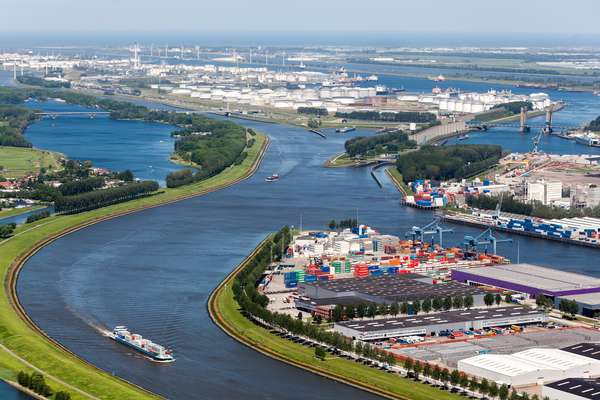
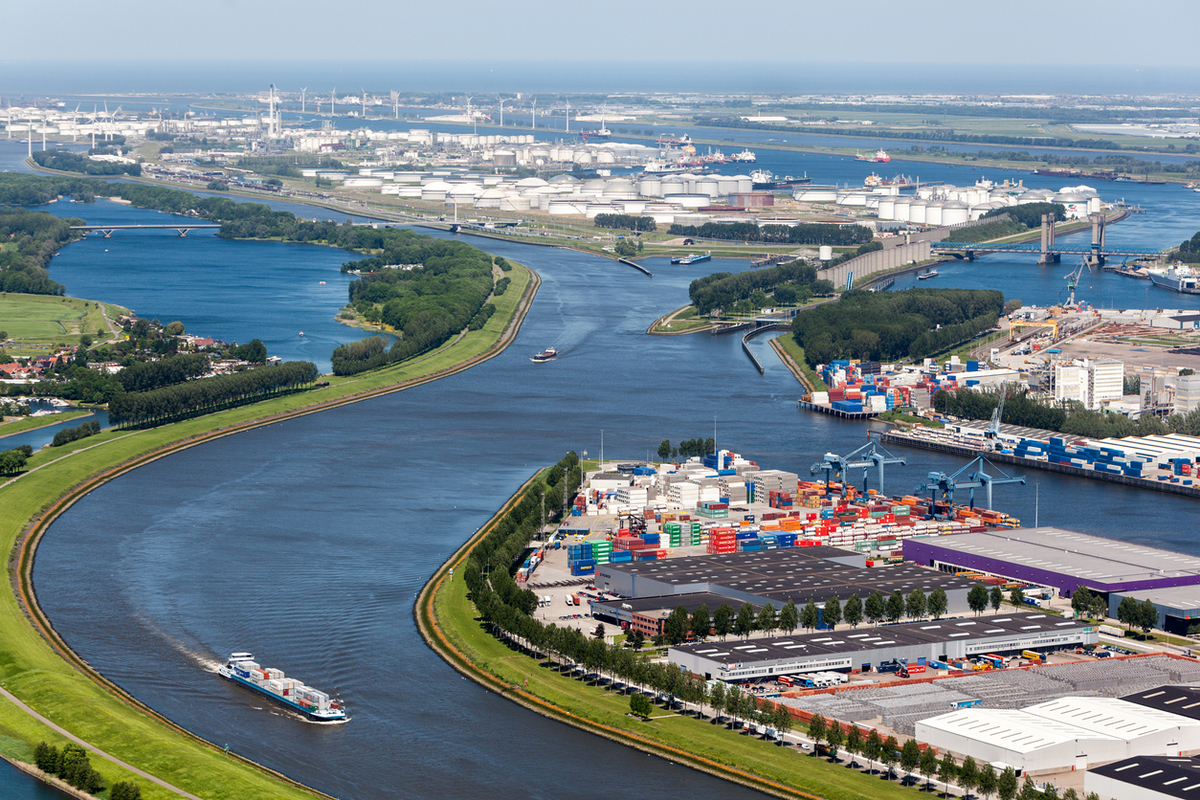 IMAGE: The Europoort area in the Port of Rotterdam. Getty Images
Changes on the day to 09.00 GMT today:
- VLSFO prices up in Durban ($45/mt), Rotterdam ($31/mt) and Gibraltar ($25/mt)
- LSMGO prices up in Durban ($84/mt), Rotterdam ($51/mt) and Gibraltar ($24/mt)
- HSFO prices up in Durban ($33/mt), Gibraltar ($24/mt) and Rotterdam ($18/mt)
- B30-VLSFO price up in Rotterdam ($59/mt)
Regional bunker benchmarks have gained, tracking the rise in Brent futures.
Rotterdam’s LSMGO price has risen more than Gibraltar's. Two 150-500 mt LSMGO stems fixed in Gibraltar at a low price of $1,208/mt have limited the rise in the port’s LSMGO benchmark.
Consequently, Rotterdam’s LSMGO price discount to Gibraltar has narrowed by $27/mt in a single day.
In Rotterdam, VLSFO and HSFO bunker prices have increased by around 11% and 18%, respectively, over the past month, while LSMGO price has surged by around 24% over the same period, according to ENGINE data.
The ARA's independently held fuel oil stocks have averaged 10% higher in the first week of August, compared to July's monthly average, while gasoil inventories have dropped 9%, according to latest Insights Global data.
Fuel availability is tight in the ARA hub for prompt delivery dates, with buyers advising lead times of 5-7 days, a trader told ENGINE.
Separately, the ports of Antwerp and Ghent have announced measures to deal with falling water levels, complicating vessel transits through the waterways.
Brent
The front-month ICE Brent contract has gained by $3.53/bbl on the day, to trade at $83.03/bbl at 09.00 GMT.
Upward pressure:
Brent’s price has climbed back above the $80/bbl threshold as Iran and Oman delay finalising a joint agreement to reopen the Strait of Hormuz to commercial shipping.
Tehran’s parliament is reviewing the agreement, that will allegedly bar the US, Israeli and other “hostile” vessels from transiting the region and impose fees of up to 20% of a ship’s cargo value.
Iran wants to charge “service fees rather than a toll,” two analysts from ING Bank noted. “There doesn’t seem to be much of a compromise, which ultimately makes it more difficult to reach a sustainable deal,” they said.
There is also little news of progress made in the ongoing US-Iran negotiations, even as President Donald Trump and other senior US officials claim Washington is close to a ceasefire deal.
“Oil prices are seeing renewed strength amid additional signs that a US-Iran deal remains difficult to achieve,” ING Bank’s analysts added.
Downward pressure:
While there are no active downward pressures on Brent’s price today, market participants are tracking the ongoing Oman-mediated talks between Washington and Tehran.
Moreover, market analysts said if the Iran-Oman agreement to reopen the Strait of Hormuz is finalised, it could ease some pressure on the world economy.
The agreement is in its “final stage,” the Associated Press reported earlier.
By Nachiket Tekawade and Aparupa Mazumder
Please get in touch with comments or additional info to news@engine.online