Europe & Africa Market Update 8 May
Conventional fuel prices across European and African ports have moved higher, and prompt bunker availability is tight in the Gibraltar Strait.
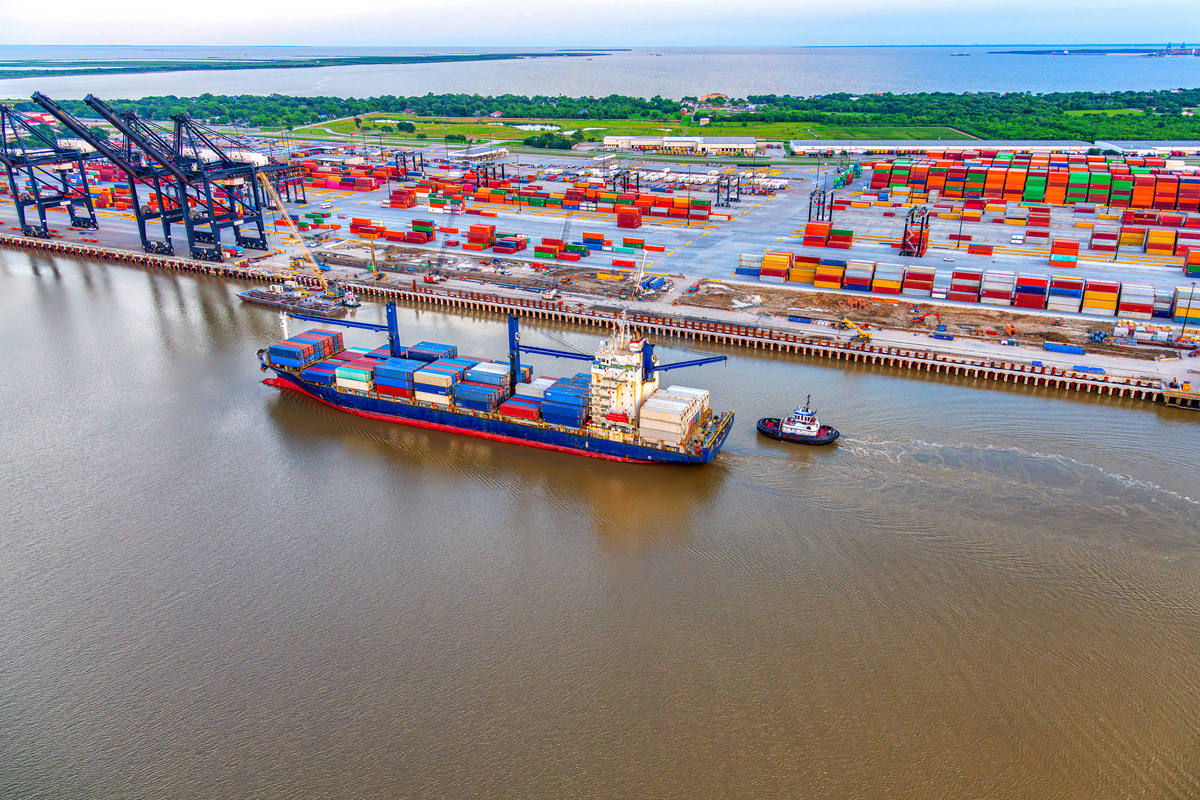
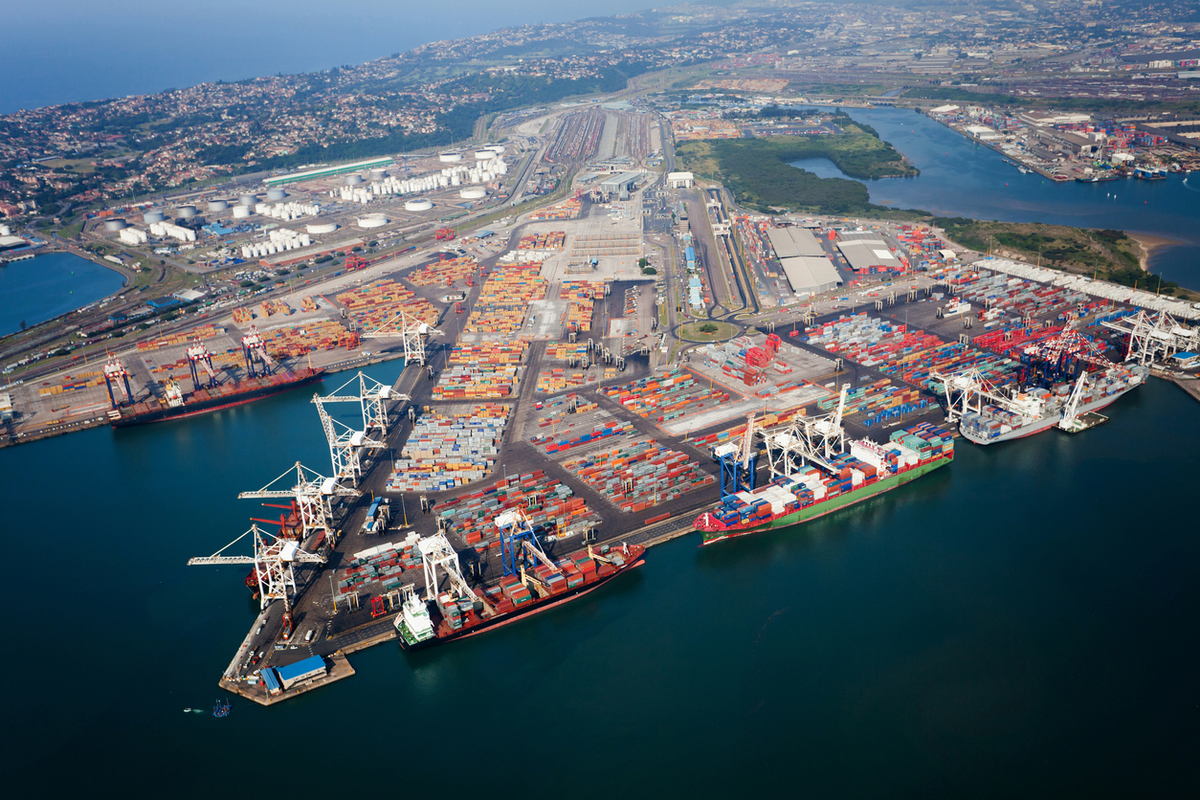
 IMAGE: Aerial view of the Bay of Gibraltar. Getty Images
Changes on the day to 09.00 GMT today:
- VLSFO prices up in Rotterdam ($33/mt), Durban ($30/mt) and Gibraltar ($25/mt)
- LSMGO prices up in Durban ($70/mt), Gibraltar ($27/mt) and Rotterdam ($22/mt)
- HSFO prices up in Durban ($28/mt), Rotterdam ($23/mt) and Gibraltar ($21/mt)
- B30-VLSFO prices up in Gibraltar ($42/mt) and Rotterdam ($21/mt)
Regional bunker benchmarks have increased in the past day, tracking gains in Brent futures.
The B30-VLSFO price in Gibraltar has increased almost twice the gain in Rotterdam. This has widened Gibraltar’s price premium by $21/mt in the past day.
Algeciras’ LSMGO price has increased around $103/mt, rising much more sharply compared to Gibraltar. Consequently, Algeciras' benchmark is now at a $7/mt premium over Gibraltar, compared to a $69/mt discount yesterday.
Fuel availability remains tight in the Gibraltar Strait, and buyers are advised to book stems around 7-10 days in advance to get adequate coverage from suppliers, a trader said.
Congestion is high in Gibraltar, with around 19 vessels currently awaiting bunkers at the port, mostly due to limited space and barge unavailability, the port agent said. Most suppliers are running 6-24 hours behind schedule, the port agent added.
Around 4-24 hours of delays are reported in the neighbouring Algeciras port, the port agent said.
Brent
The front-month ICE Brent contract has gained by $1.12/bbl on the day, to trade at $100.30/bbl at 09.00 GMT.
Upward pressure:
Brent futures are poised to end the week above the $100/bbl mark amid growing tensions between the US and Iran.
Iran's military has accused Washington of violating the ceasefire agreement by targeting two Iran-linked vessels in the Strait, as well as civilian areas yesterday.
“Oil prices are likely to remain highly headline‑driven, with the recent escalation reinforcing the risk premium,” two analysts from ING Bank noted.
Meanwhile, the US Central Command (CENTCOM) said it intercepted Iranian missiles and responded with “self-defense” strikes as the US Navy’s guided-missile destroyers transited the Strait of Hormuz.
“With flows through the Strait of Hormuz unlikely to normalise quickly, markets remain exposed to further upside on any setbacks in diplomatic efforts,” ING Bank’s analysts said.
Downward pressure:
Brent’s price gains were capped by hopes of a ceasefire deal between Washington and Tehran that could eventually reopen the strategically crucial Strait of Hormuz to commercial vessel traffic.
Iran is considering a new one-page US proposal to end the conflict in the Middle East, the BBC reported earlier, prompting a steep sell-off in Brent’s price earlier this week.
“While tensions have escalated [today], the US has signalled no immediate intent to intensify the conflict and is reportedly still awaiting Iran’s response to a proposal to reopen the trade route,” ING Bank’s analysts noted.
By Nachiket Tekawade and Aparupa Mazumder
Please get in touch with comments or additional info to news@engine.online