ICCT proposes common standard for green corridor fuels
Fuels would need to cut emissions by at least 90% against conventional fuels to qualify.
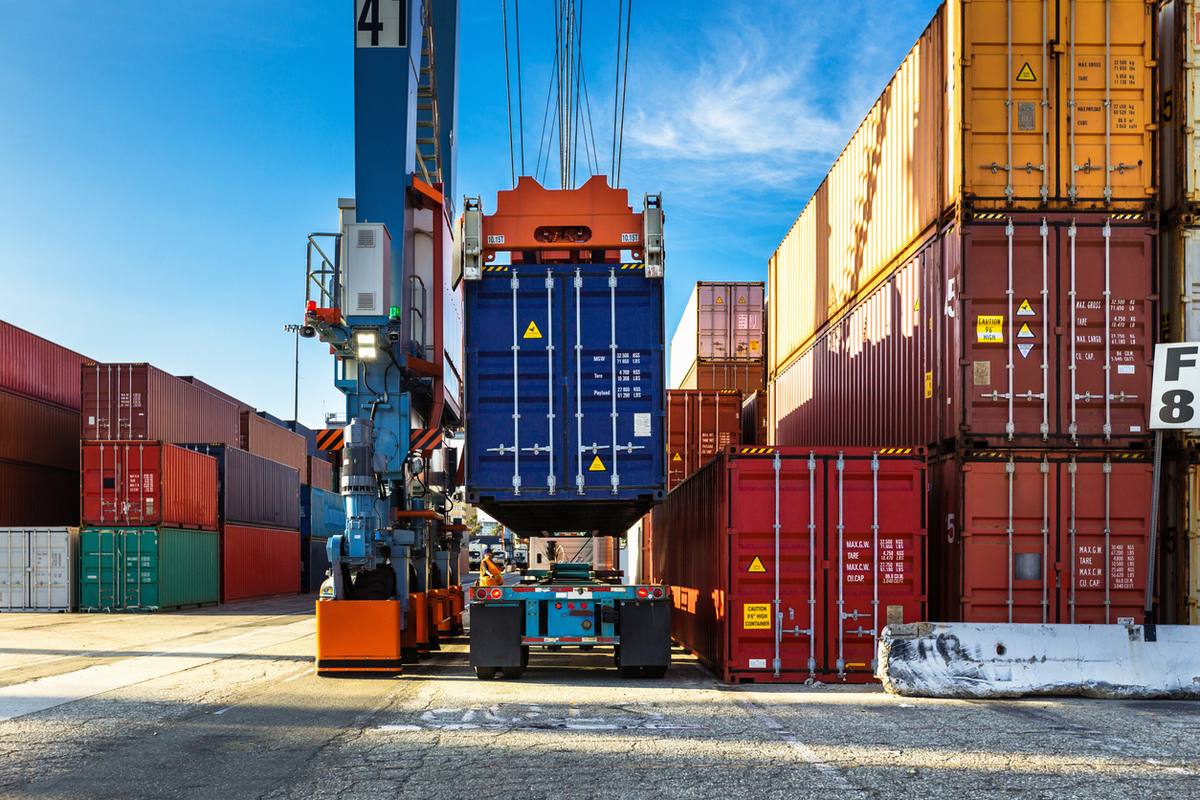 IMAGE: Port of Long Beach, California. Getty Images
The cut would be measured well-to-wake and in carbon dioxide-equivalent terms, covering everything from producing the fuel to burning it on board.
ICCT wants that worked out using life-cycle accounting methods from the California Low Carbon Fuel Standard, the state's programme requiring suppliers to bring down the average carbon intensity of the transport fuels they sell there.
Fuels clearing the bar would be classed as "ultra-low-carbon" under the definition, which the think tank calls ambitious but technically achievable.
Producers could not claim credit for methane emissions avoided elsewhere, which would keep out fuels made from manure or organic waste that qualify on the strength of emissions prevented on a farm rather than saved at the ship.
And makers of electricity-based fuels would be barred from drawing grid power in ways that push up emissions in the power sector.
Wind assistance would count the other way. Because it cuts fuel burn directly, ICCT says it should earn credit for lowering the greenhouse gas intensity of shipping along a corridor.
Green shipping corridors are trade routes where alternative fuels, technologies and infrastructure are trialled to show what they can deliver on emissions.
ICCT has built the proposal around a possible route on the US West Coast.
By Gautamee Hazarika
Please get in touch with comments or additional info to news@engine.online