IMO’s net-zero fund should follow a flexible approach - GMF
The IMO's proposed net-zero fund should combine multiple areas of deployment, recipients and financing mechanisms, the Global Maritime Forum (GMF) suggests.
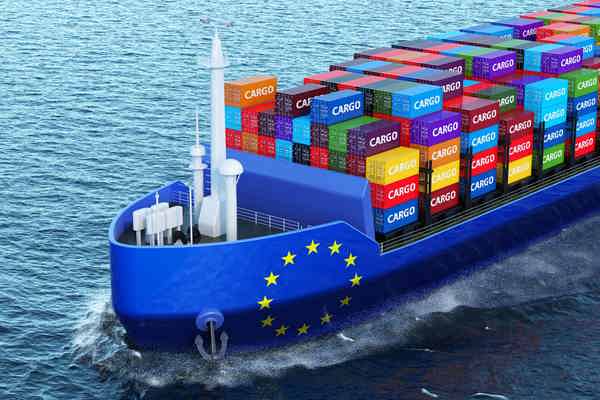
 IMAGE: Getty Images
The IMO can generate around $11–12 billion/year with its Net-Zero Framework as it is currently drafted, the GMF estimates.
It argues that this revenue should be deployed through a combination of financing tools, governance structures and recipient models to build confidence in political circles and among market participants.
Spending should extend beyond low- and zero-emission fuels and technologies to include bunkering infrastructure and workforce training. It should also have spare capacity to mitigate adverse impacts on vulnerable states.
GMF says the IMO should spend a minimum amount of money on each project, set funding limits for these projects and control that some nations don't get more money than others.
The IMO should work with established climate finance institutions in the early stages to deploy funds fast.
Existing funds or dedicated structures could accelerate disbursement and provide access to project pipelines. And the IMO can retain oversight of priorities, eligibility and reporting.
“Full IMO management can remain a longer-term option but should not delay early action,” the GMT notes.
Disbursements should follow a hybrid model, with funds directed across multiple channels.
These include allocations to national governments for planning and deployment, direct support for industry- or project-led initiatives and funding for public-private consortia in low- and zero-emission fuel production, infrastructure and fleet upgrade.
Targeted technical assistance will be needed to ensure access for least developed countries and small island developing states.
Financing should align with desired outcomes, it suggests.
For instance, grants can support early-stage projects and vulnerable regions. Loans, guarantees and equity can help attract private investment. Incentives such as offtake guarantees, currency hedging and political risk insurance can further unlock capital.
“… a well-designed fund could strengthen political buy-in for ambitious policy measures and play a critical role in delivering a just and equitable energy transition,” GMF notes.
By Konica Bhatt
Please get in touch with comments or additional info to news@engine.online