Middle East war: Oil prices steady amid unrelenting vessel attacks
Brent crude’s price has remained elevated amid persistent attacks on vessels in the Persian Gulf region.
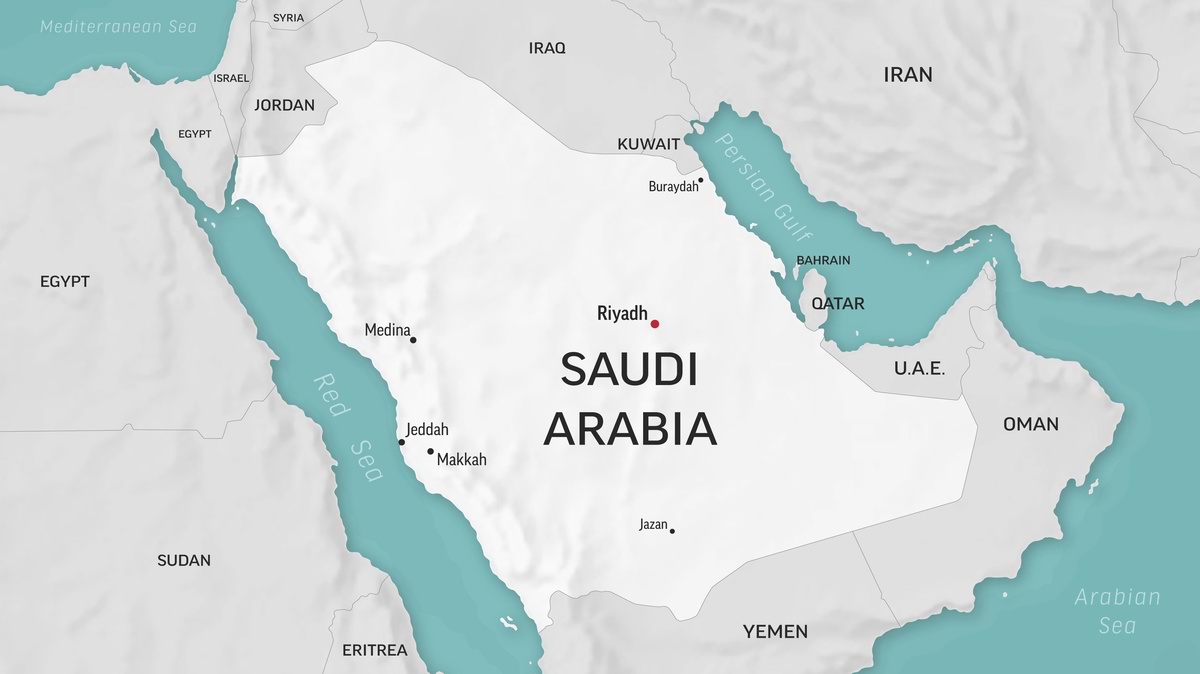 IMAGE: Getty Images
At least four commercial vessels came under attacks while attempting to transit the Persian Gulf in recent days, the United Kingdom Maritime Trade Operations (UKMTO) agency reported.
The UKMTO reported an incident on Friday after a tanker was struck by an unknown projectile while conducting an outbound transit through the Strait of Hormuz, resulting in a small fire and a blackout onboard.
Another tanker was stuck by an unknown projectile within the Strait of Hormuz yesterday, causing damage to the engine room, the maritime agency said.
A third crude oil tanker, about 4 nautical miles east of Oman, was struck by an unknown projectile on the port side on Saturday, the UKMTO reported.
On Saturday, 10 vessels attempted to transit the strait – five inbound and five outbound, market intelligence provider Windward reported. Of this, one vessel moved in dark mode, the data also showed, as vessel traffic remains well below the pre-war average of 140 daily transits.
Another incident was recorded about 60 nautical miles south of Al Mukha, Yemen, the UKMTO reported earlier today. “The Company Security Officer reported a tanker sighting multiple explosions in close proximity to the vessel,” the UKMTO said referring the tanker attack.
“Strikes on Kuwait- and UAE-affiliated tankers likely continue and threaten the recovery in Strait transits,” Windward said.
Commercial vessels traversing the region continue to face persistent attacks, even as the US Central Command (CENTCOM) maintains that it exercises firm control of the narrow corridor and routinely coordinates escorts for compliant vessels.
So far, the US CENTCOM has redirected 125 commercial vessels, disabled more than three, and boarded two to prevent ships from entering or departing Iranian ports, it said.
Washington deploys missile batteries to protect regional energy infrastructure
The US army has sent two additional Patriot missile batteries in recent weeks, to protect oil and gas infrastructure in the region, Axios reported citing two US officials and one regional source. A Patriot missile battery is ground-based air defense system.
Washington sent one Patriot missile battery to Saudi Arabia to protect a major oil production facility and another one to Qatar to protect a natural gas site, according to the report.
Iran and its proxies have repeatedly attacked critical energy infrastructure in Saudi Arabia and other regional neighbours like Qatar, during the ongoing war.
Riyadh faced a major disruption on 10 September, after drone strikes damaged pumping stations along the East-West pipeline, forcing the OPEC’s de-facto leader to shut down the crucial transit corridor for two weeks.
The pipeline assault heightened anxieties over Middle Eastern supply amid a backdrop of soaring crude oil prices.
In March, Iranian missiles hit facilities at Ras Laffan in Qatar – one of the largest LNG liquefaction sites in the world – compelling QatarEnergy to suspend the majority of its operations.
Meanwhile, regional hostilities risk further escalation if US President Donald Trump decides to resume military strikes against Iran.
“Now I have to make a decision. They’ll either sign a very fair deal, or they won’t exist any longer,” Trump told reporters, issuing yet another stark warning amid the conflict that has now stretched past seven months.
By Aparupa Mazumder
Please get in touch with comments or additional info to news@engine.online