Oil leaps over 20% in July amid renewed US-Iran conflict
Brent crude has surged by more than 20% month-on-month as hostilities between the US and Iran resumed in July, dashing hopes of any de-escalation in the Middle East crisis.
 IMAGE: Getty Images
The oil market is currently grappling with escalations on multiple fronts, caught between two critical maritime chokepoints.
Brent crude’s price has surged from $72.95/bbl at the end of June to $89.03/bbl towards the end of July amid the escalating conflict, marking a 22% increase.
Tanker traffic has plunged drastically in the Strait of Hormuz amid the renewed US-Iran hostilities. As of Wednesday, only 10 vessels attempted transit via the vital energy arteries, market intelligence agency Windward reported.
Iran’s Revolutionary Guard Corps (IRGC) claimed two oil tankers attempting to transit the Strait of Hormuz via the southern lane turned back after one of them caught fire yesterday, local media reported.
Hugging Oman’s coast, the southern lane is believed to be protected by the US but has been deemed ‘unsafe’ by Iran. Since the collapse of the ceasefire, Iranian forces have struck vessels transiting this route close to Omani waters.
“Tanker traffic through the Strait of Hormuz remains essentially halted,” two analysts from ING Bank remarked.
Earlier this week, Oman proposed a shared control over the Strait of Hormuz, dividing the narrow shipping lane evenly. However, Iran has rejected the proposal, seeking a total control of the Strait and demanding oversight of both inbound and outbound vessels.
Red Sea turning into active warzone
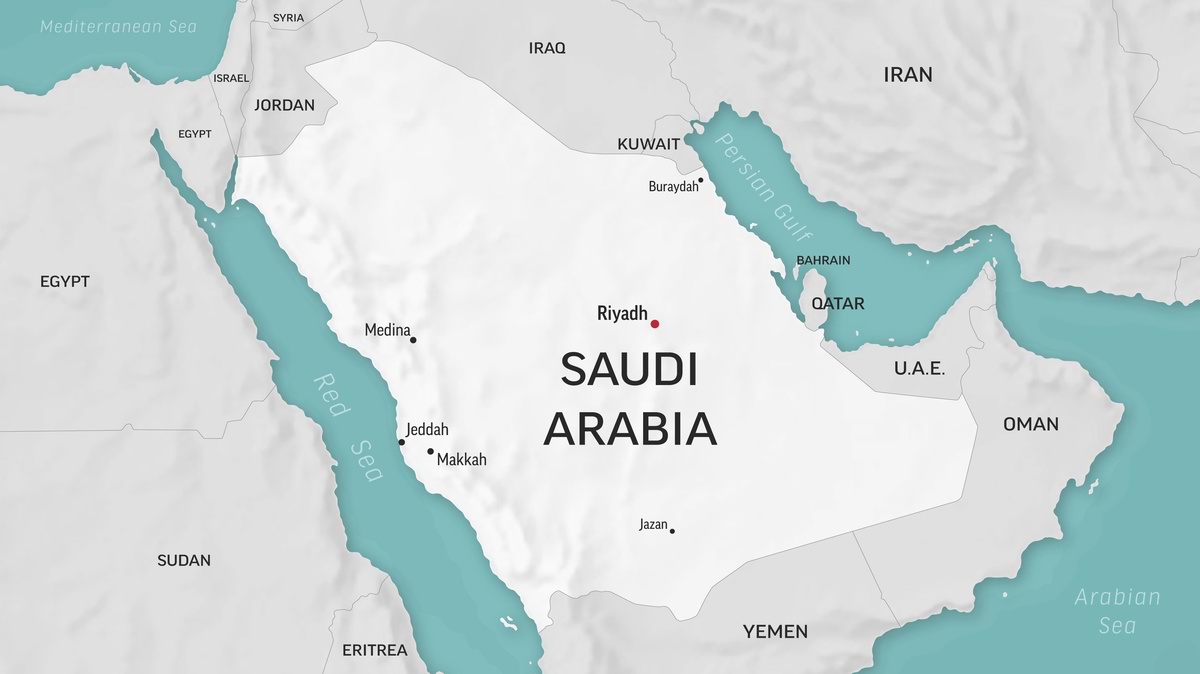
Simultaneously, the Bab al-Mandeb Strait and the Red Sea are transforming into an active warzone.
A rigid blockade by Yemen’s Iran-aligned Houthi militants on Saudi Arabian crude exports and airstrikes on critical oil infrastructure in Jizan and Yanbu ports have severely disrupted international shipping, compounding global supply fears.
“The Houthis are considering charging fees for ships sailing through the Bab al-Mandeb Strait,” ANZ Bank’s senior commodity strategist Daniel Hynes said.
This comes as Riyadh prepares to form international coalition to restore safe passage through the Bab al-Mandeb Strait and the Gulf of Aden.
So far, 13 countries including Kuwait, Bahrain, Qatar, Turkey, Egypt and Jordan, have expressed support for the initiative, Bloomberg reported.
By Aparupa Mazumder
Please get in touch with comments or additional info to news@engine.online