Oil steady following EU sanctions against Russia’s energy sectors
The European Union (EU) has proposed the 20th package of economic sanctions against Russia, aimed at limiting oil revenues flowing to its war chest.
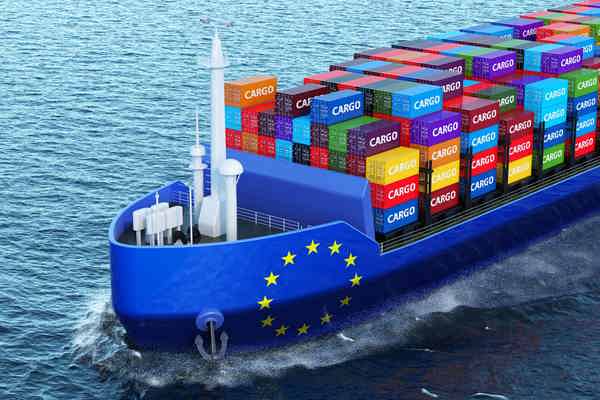
 IMAGE: Flag of the European Union (EU). Getty Images
The European Union (EC) has agreed on a new package of sanctions against Moscow, targeting an additional 43 vessels that are allegedly a part of the Russia's shadow fleet.
This brings the total number of sanctioned vessels, which are used to circumvent price caps set on Russian crude and oil products, to more than 640, EC said.
The commission has also introduced a “full maritime services ban” for Russian crude oil. “As shipping is a global business, we propose to enact this full ban in coordination with like-minded partners after a decision of the G7 [G7 group of countries],” it said.
In June 2025, the EC had proposed to lower the oil price cap on Russian crude oil to $45/bbl from $60/bbl. The price cap on Russian oil, implemented by Washington and its allies (the G7 group of countries), is a strategic measure aimed at reducing Russia's export revenue.
The commission has proposed a quota on ammonia to cap existing imports. It further aims to restrict Moscow from acquiring tankers to be used for its shadow fleet and “add sweeping bans on provision of maintenance and other services for LNG tankers,” Ursula von der Leyen, President of the EC said.
Russia’s fiscal revenue, from its oil and gas industry, has dropped by 24% in 2025 compared to 2024, the EC claimed.
“Oil and gas revenues in January will be the lowest since the war began,” it added.
A shadow fleet is made up of older vessels that intentionally evade regulations. By assembling a shadow fleet used to circumvent sanctions meant to restrict Russian oil revenues, the country has effectively traded outside the imposed price caps.
By Aparupa Mazumder
Please get in touch with comments or additional info to news@engine.online