Saudi Arabia and Houthis engage in direct confrontation
The Middle East war has spilled deeper into the Red Sea over the weekend as direct fighting erupted between Saudi Arabian troops and Yemen’s Iran-aligned Houthi rebels.
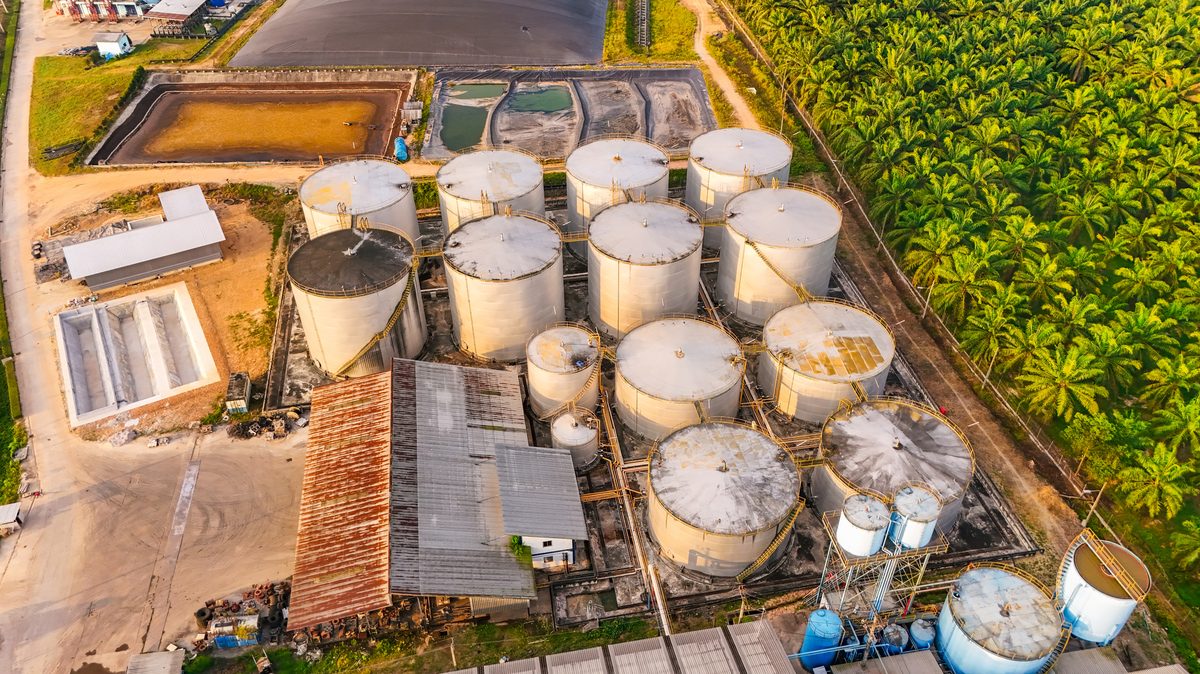
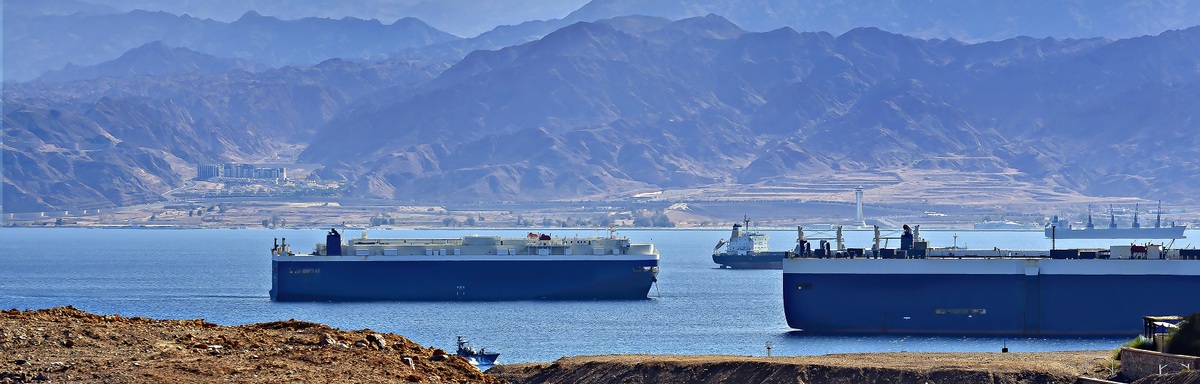 IMAGE: Aerial view on the harbor of the Red Sea, Middle East. Getty Images
The fire exchange has threatened Gulf crude oil shipment on a second front as the Houthi militants struck Saudi oil sites in two separate ports – Jizan and Yanbu – on the Red Sea coast, its spokesperson Yahya Sare’e said on social media platform X.
The installations belong to Saudi Aramco, the state oil company of the OPEC+ defacto leader.
The strikes have caused potential damages to the fuel and oil storage sites at Jizan, Reuters reported citing sources. Situated on the Red Sea coast near the Yemeni border, Jizan hosts a 400,000 b/d refinery.
Riyadh is highly dependent on its 1,200 km East-West Pipeline, funnelling about 70% of its crude exports through the Red Sea terminal at Yanbu, to circumvent the Strait of Hormuz.
The Houthis have “succeeded in shooting down a Turkish-made armed reconnaissance drone "Bayraktar Akinci" belonging to the Saudi,” Sare’e said.
Meanwhile, the Saudi-led military alliance in Yemen reportedly struck sites in the Houthi-controlled Red Sea port of Hodeidah, Reuters reported.
The latest development comes after the militant group imposed a maritime embargo on vessels carrying Saudi Arabian crude oil through the Bab al-Mandeb Strait into the Red Sea.
Last week, the Houthis struck two Saudi Arabian oil tankers, ENCELIA and LAYLA, for allegedly violating the group’s blockade of the region.
The risk to more regional disruptions has compounded recent weeks, driving Brent crude’s price above $100/bbl for the first time since May and marking one of the conflict's sharpest price jumps.
By Aparupa Mazumder
Please get in touch with comments or additional info to news@engine.online