Scorpio Tankers targets nuclear for shipping’s clean energy needs
Monaco-based shipping firm Scorpio Tankers and US-based nuclear technology firm Ampera plan to develop and commercialise nuclear technology in shipping.
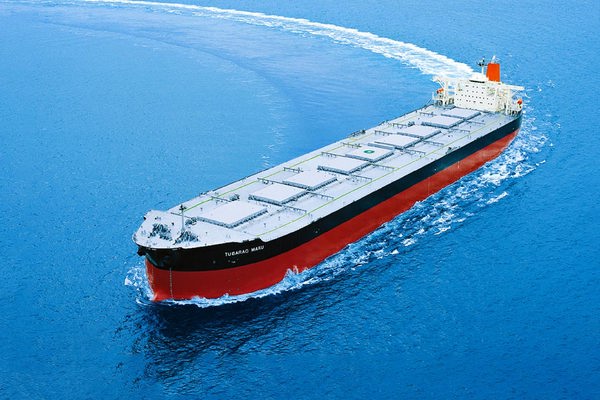
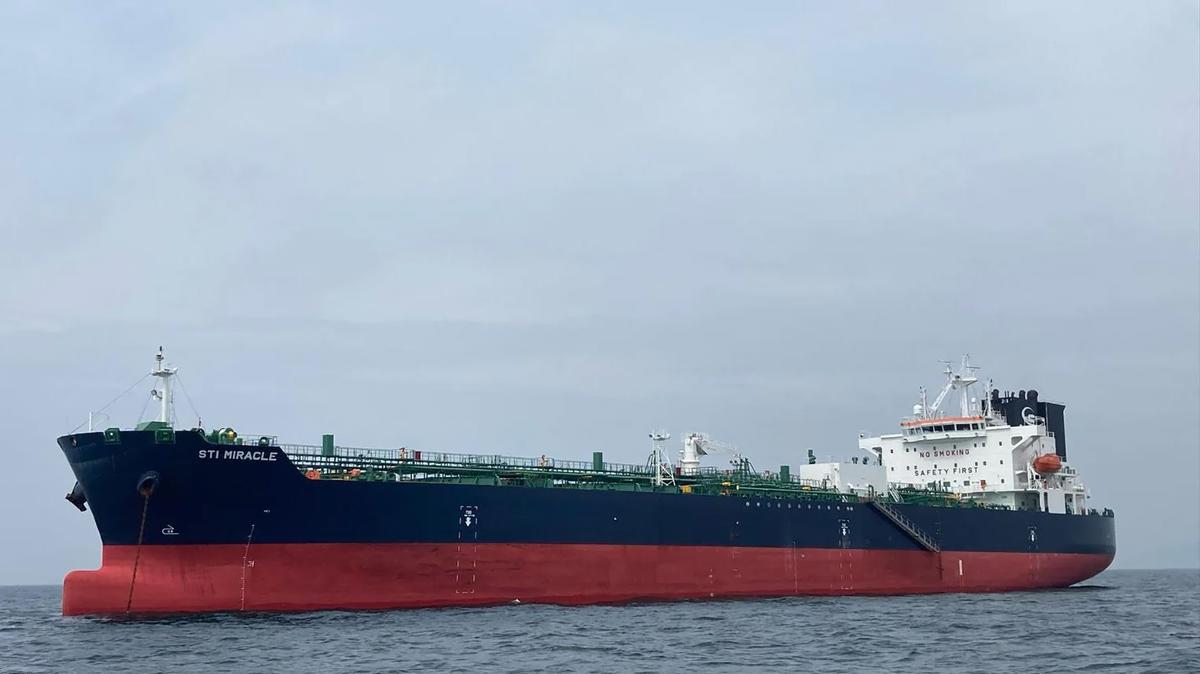 IMAGE: Scorpio Tankers-owned oil tanker, STI Miracle. Scorpio Tankers
The partnership will focus on floating nuclear power barges in the near term and nuclear-powered vessels over the longer term.
Under the agreement, Scorpio Tankers will lead vessel design and regulatory compliance and Ampera will supply small modular reactors (SMRs) to power both barges and vessels.
Ampera has developed a hybrid microreactor system using thorium-based TRISO fuel particles, capable of generating 15-30 megawatts of electric (MWe) output.
TRISO (Tristructural Isotropic) fuel particles are small pellets of nuclear fuel, such as thorium, enclosed in multiple protective layers. These layers ensure safety and heat resistance, making the fuel suitable for high-temperature gas-cooled reactors and molten salt reactors.
In addition, its technology can enable up to 30 years of operation without refuelling, Ampera said on its website.
Ampera’s modular reactors are “well aligned with the maritime sector as they could cut fuel costs, reduce weight, improve efficiency, increase capacity and eliminate carbon emissions for shipping companies,” the company’s chief executive, Brian Matthews said.
“Nuclear microreactor systems offer a potential long-duration, zero-emissions energy solution for marine propulsion, floating power generation and offshore energy supply,” Scorpio Tankers added.
Rising interest in nuclear power
Interest in nuclear energy within shipping has grown in the past few years, with companies exploring its potential for both onboard propulsion and offshore power supply.
Companies such as CORE Power and HD Korea Shipbuilding & Offshore Engineering (KSOE) are advancing floating nuclear barge concepts to generate electricity for ports, industrial facilities and offshore operations.
These floating barges can also support the production of zero-emission fuels by providing low-carbon electricity for e-methanol and green ammonia projects. Their mobility and scalability make them suited to regions with limited or unreliable grid access, CORE Power noted.
Efforts are also underway to assess nuclear propulsion for vessels.
Lloyd’s Register and US-based startup Deployable Energy are targeting a nuclear-powered shipping pilot by 2035. A separate consortium, including Norwegian shipbuilder Vard, shipowner Knutsen Tankers and classification society DNV, is studying the use of fourth-generation reactor technologies for marine propulsion.
Classification society ABS and Korea Research Institute of Ships & Ocean Engineering (KRISO) are also separately exploring the application of small modular reactors in shipping.
But despite growing technical interest, a lack of established IMO liability convention for nuclear-powered vessels is currently the key barrier for nuclear uptake in shipping.
Last year, UK-based marine insurer NorthStandard warned that operators of nuclear-powered commercial ships could face significantly higher insurance premiums, with coverage potentially becoming unaffordable in the absence of a dedicated international framework.
For this reason, the Nuclear Energy Maritime Organization (NEMO) is working with the International Atomic Energy Agency and the IMO to develop regulatory frameworks for using nuclear power in the shipping sector.
By Konica Bhatt
Please get in touch with comments or additional info to news@engine.online