Ships diverting via Cape Horn to skip Panama Canal face bunker fuel risk: Gard
Owners rerouting around South America to avoid canal restrictions may face cold-water and fuel-heating problems.
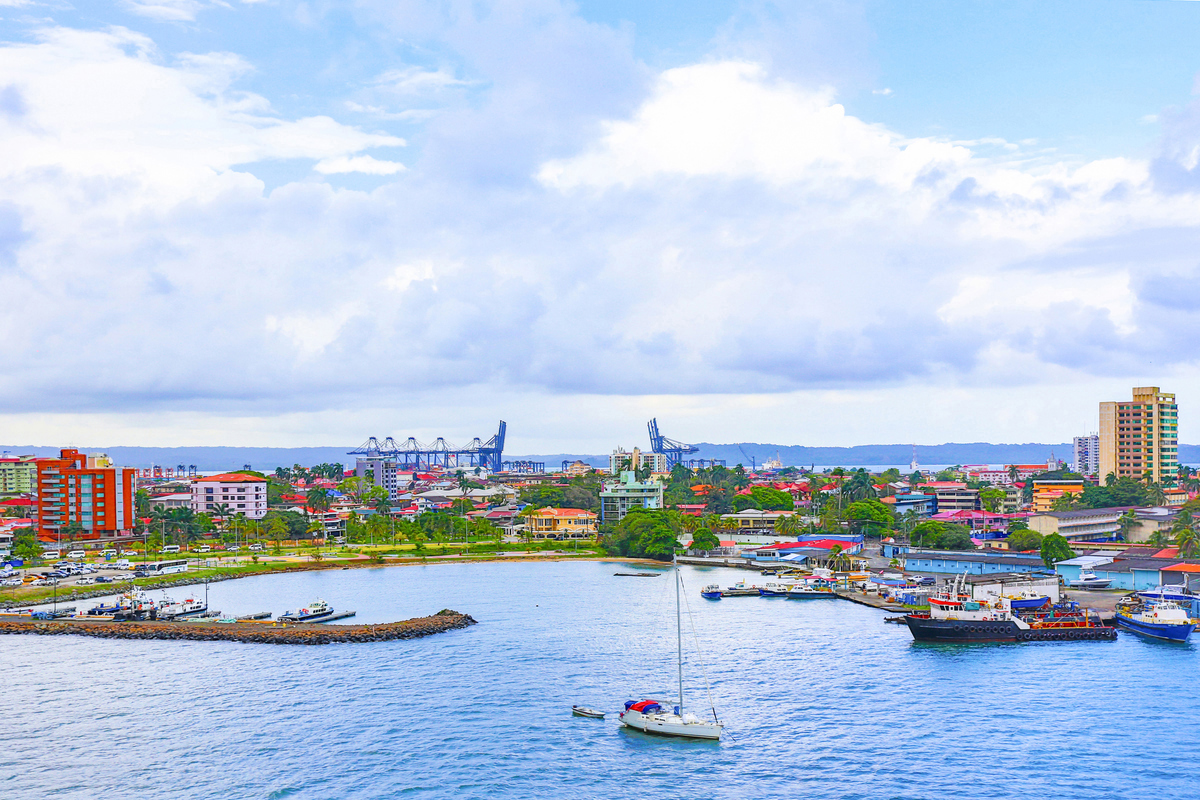 IMAGE: The Atlantic entrance to the Panama Canal. Getty Images
Vessels rerouting around the southern tip of South America to avoid Panama Canal restrictions can run into bunker-related problems in winter, marine insurer Gard has warned.
Gard claims that vessel designs are often not well suited to prolonged operation in colder climates, with limitations in fuel-heating arrangements creating operational difficulties.
Gard urges owners to review bunker management procedures, machinery limitations and cold weather practices before committing to either southern route.
There are two alternative passages around Cape Horn, which are being considered by shipowners.
The Drake Passage, between Cape Horn and Antarctica, is the shorter, more direct route but leaves vessels exposed to harsh open-ocean weather, with owners reporting slamming, cargo shift and green seas on deck, as well as excessive vessel motions, heavy-weather damage and machinery problems caused by prolonged operation in such conditions.
Meanwhile, the Strait of Magellan avoids much of that open-ocean exposure but is narrower, with strong currents, restricted waters and compulsory pilotage in parts, making it slower and costlier to transit and placing greater reliance on local navigational expertise.
The choice between the canal and either southern route should rest on a full assessment of weather, vessel characteristics, cargo, crew experience, technical limitations, pilotage requirements and contractual obligations.
The warning comes as the Panama Canal Authority (ACP) has tightened draft limits, cut daily transit numbers and adjusted auction-slot availability, after rainy-season rainfall in the watershed came in below forecast despite water-saving measures already in place.
The ACP recently cut daily transits to 34 from 4 September — nine Neopanamax and 25 Panamax, with Panamax slots set to drop further to 23 from 15 September.
Draft limits have also been revised due to drop in water levels, with the Neopanamax maximum cut to 14.63 metres (48 feet) from 2 September. A further reduction to 14.48 metres (47.5 feet), due on 1 October, has since been postponed, and the 14.63-metre limit will stay in effect until further notice based on current Gatun Lake levels and weather projections.
"The Panama Canal has been a viable route for many shipowners, and vessels currently continue to run. Congestion at the primary ports can become a problem, but so far it has been manageable," a trader told ENGINE.
"With lesser transits available, it is natural vessel owners are seeking alternate routes," the trader added.
By Gautamee Hazarika
Please get in touch with comments or additional info to news@engine.online