The Week in Alt Fuels: Availability isn’t enough
Low-emission bunkering activity is expanding across more ports worldwide. But bunker buyers continue to sign long-term offtake agreements as today's availability does not guarantee tomorrow's supply.
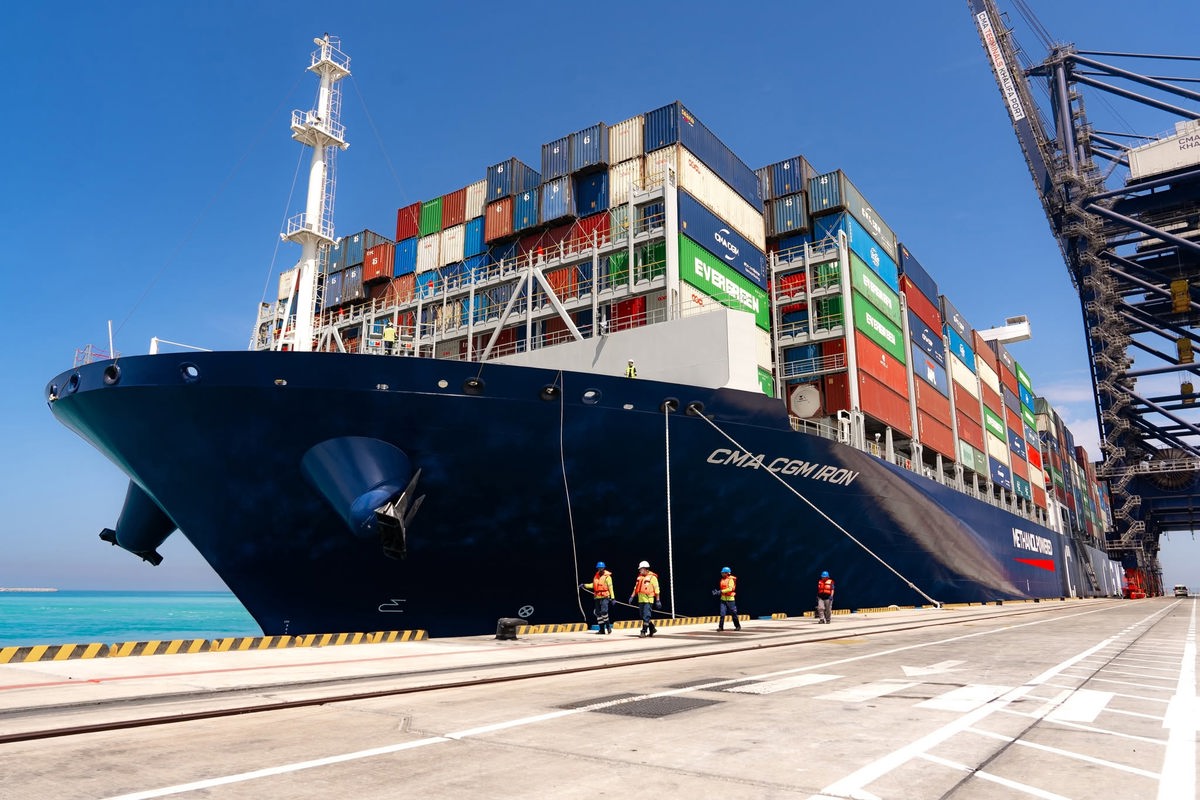 IMAGE: Methanol-capable container ship, CMA CGM Iron. Facebook of CMA CGM
Commercial bunkering of low-emission bunker fuels is gathering pace across the globe, although supply volumes remain relatively small and geographically fragmented.
In Brazil, global bunker supplier Bunker One delivered 500,000 litres (approximately 395 mt) of bioethanol to the methanol-capable container ship CMA CGM Iron at the Port of Santos. The fuel, sourced from Brazilian sugar producer Copersucar, was supplied by bunker barge Dona Isa.
Danish shipping company A.P. Moller-Maersk’s methanol dual-fuel container ship was bunkered with an unspecified quantity of 100% ethanol (E100) at the Port of Barcelona in Spain. Maersk did not disclose where the fuel was sourced from, but the stem was delivered to Antonia Maersk by the Repsol-chartered bunker barge Bahia Candela.
Another Maersk methanol-capable vessel, Laura Maersk, bunkered E100 in Rotterdam last month as part of ethanol trials.
Sinopec delivered 1,000 mt of bio-methanol to the dual-fuel roll-on/roll-off vessel CM Shenzhen in Hong Kong. The fuel was produced by Shanghai Shenji Energy & Environmental Technology and supplied by Wah Kwong-operated bunker vessel Da Qing 268.
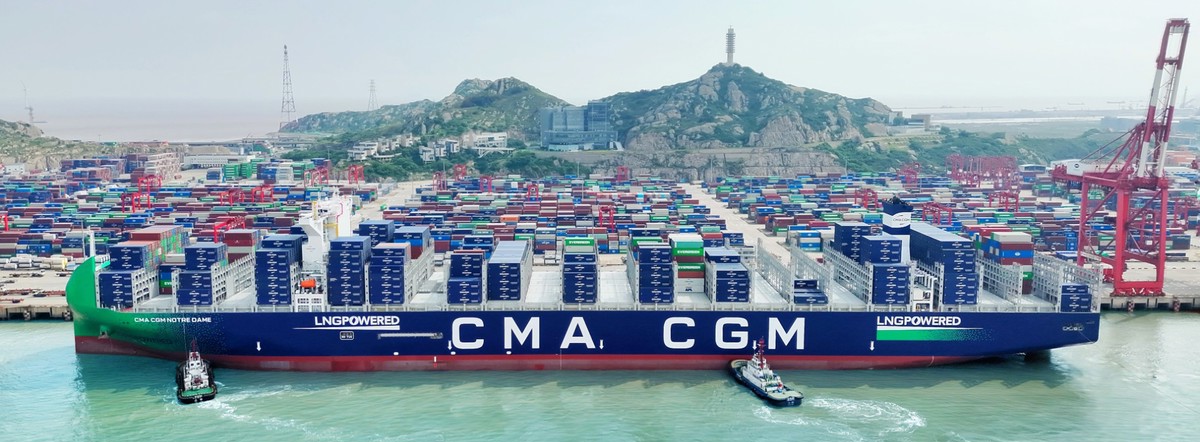
TotalEnergies supplied 11,125 cbm (around 5,000 mt) of 100% liquefied biomethane (LBM) to the 24,000-TEU dual-fuel container ship CMA CGM Notre Dame in Rotterdam. The delivery, carried out by the LNG bunker vessel Gas Agility, marked the vessel's first LBM bunkering.
Despite rising bunkering activity, the development of a more mature low-emission bunker fuel market will depend on regulatory frameworks, fuel production, infrastructure and fuel economics.
In the meantime, bunker buyers continue to sign long-term supply agreements, indicating that physical availability today has not eliminated the need to secure future supply.
Wallenius Wilhelmsen, which recently took delivery of its first methanol-capable car carrier, signed a bio-methanol offtake agreement with Equinor earlier this year. Deliveries are scheduled to begin later this year, with the shipowner set to receive the fuel at the ports of Zeebrugge and Antwerp over the next two years.
Norwegian Hydrogen will supply green hydrogen from its planned 3,500-mt/year production facility in Rjukan to Samskip's planned hydrogen-powered vessels. The project includes liquefaction, storage and bunkering infrastructure, with production expected to begin in 2028.
TotalEnergies has committed to supplying around 360,000 mt/year of LNG to CMA CGM between 2028 and 2040 to support the French liner's planned fleet of 123 dual-fuel vessels.
Japanese chemical company Mitsubishi Gas Chemical (MGC) has secured future supply by agreeing to purchase 100,000 mt/year of e-methanol from India's ACME Group from 2030. MGC will use the e-methanol for bunkering across Japan and wider Asian markets.
Japanese conglomerate Itochu has secured exclusive long-term supply of 300,000 mt/year of green ammonia from L&T Energy GreenTech's proposed production facility in Kandla, Gujarat. Itochu intends to use the green ammonia for bunkering, with Singapore as its first target market.
In other news this week, logistics firm DP World will use Hapag-Lloyd’s biofuel bunkering to claim around 4,700 mtCO2e of well-to-wake emissions reductions for its ocean freight operations in the Americas under a book-and-claim arrangement over the next year. It will then pass these reductions on to its customers in the region as Scope 3 emissions reductions across their supply chains.
US-based Archer Daniels Midland (ADM) has completed its first trial voyage using B100 (100% biofuel) onboard its bulk carrier MV Harvest Rain. The vessel was bunkered with approximately 107 mt of B100 before undertaking a five-day trial off the coast of Brazil, during which the company evaluated the fuel's performance across storage, purification, engine operation and onboard handling.
Hawaii-based shipping firm Matson has identified LNG as the fuel of choice for its long-term fleet strategy, citing the limited availability and higher cost of low- and zero-emission fuels, as well as constraints around bunker infrastructure. Alongside LNG, the company is exploring biofuels and LBM to further reduce its fleet-wide emissions.
By Konica Bhatt
Please get in touch with comments or additional info to news@engine.online