Americas Fuel Availability Outlook 16 Apr
New York bunker availability improves
Panama fuel prices high
Paranagua sees tight VLSFO and LSMGO supply
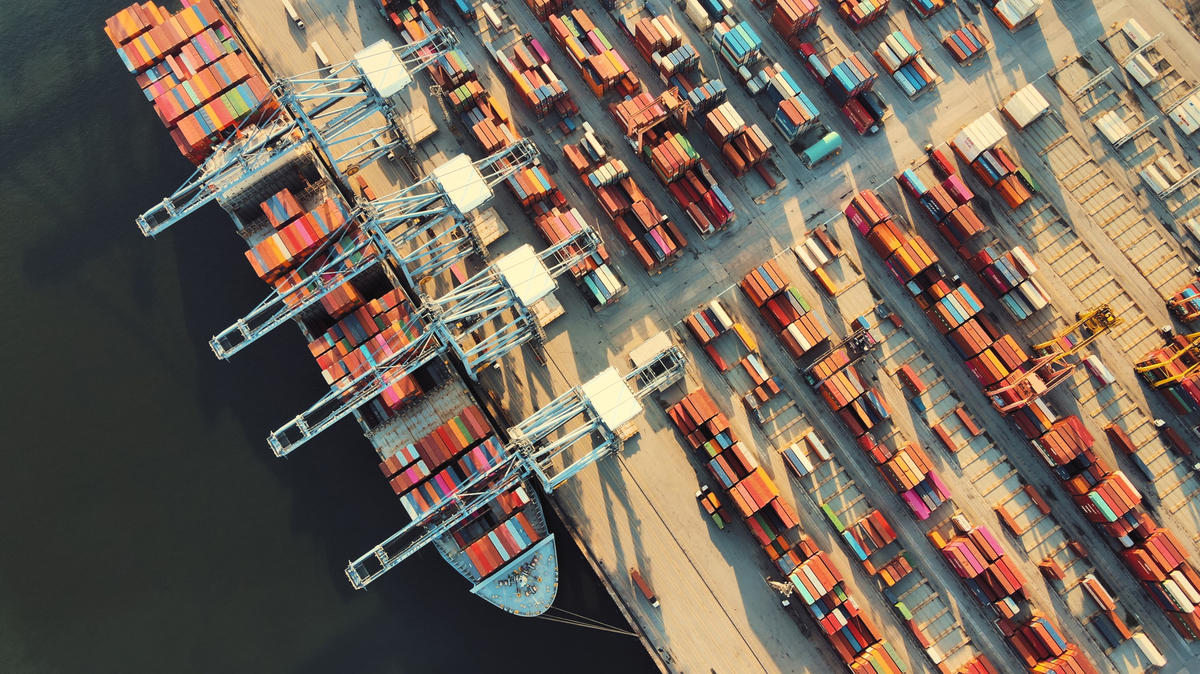
 IMAGE: Place for loading ocean ships in the seaport of Vancouver. Getty Images.
North America
In the Port of Houston, bunker demand is firm. Lead times for VLSFO and HSFO are currently around 5–7 days, while LSMGO is more prompt at 3–4 days, a source said.
The Houston Ship Channel, which was temporarily closed for the Fleet Week Parade of Ships, has reopened to all traffic as of 14:03 local time on 15 April.
On the Sabine–Neches Waterway near the MLK Bridge in Port Arthur, higher river levels have reduced bridge clearance.
Pilots have imposed an air draft limit of 41 metres (134.5 ft), restricting transit to vessels within this height. The waterway nonetheless remains open.
At the Galveston Offshore Lightering Area, high winds and rough seas are forecast between 19–20 April, with delays likely and deliveries subject to weather and queue conditions, a trader tells ENGINE. Currently, deliveries are underway at the anchorage.
In the port of New York, bunker demand is steady, with a slight uptick noticed this week. Availability has improved, with lead times for VLSFO and HSFO around 5–7 days, while LSMGO is more prompt at 2–3 days. High wind gusts are forecast between 16 and 19 April, which could disrupt operations.
On the US West Coast, the ports of Los Angeles and Long Beach continue to show normal availability, with most suppliers able to deliver all three conventional grades of HSFO, VLSFO and LSMGO within 7–8 days.
Prices at the port of Los Angeles are currently higher than in New York and Houston, with LSMGO trading at premiums well above $200/mt, a trader said.
Container traffic is expected to increase, with 22 arrivals next week, up from this week's 19, according to Signal data.
At Port of Vancouver, HSFO is available within 5–7 days, while VLSFO and LSMGO require 6–8 days, a trader said.
Latin America and the Caribbean
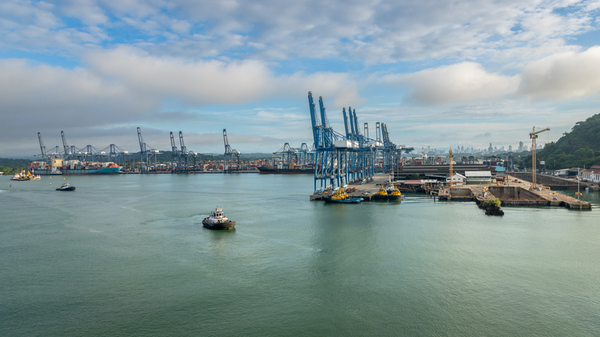
At Balboa and Cristobal, bunker demand and prices remain elevated, while supply conditions are steady with no major constraints, a trader told ENGINE.
Lead times are 3–5 days for VLSFO and LSMGO, and 4–6 days for HSFO.
In Colombia’s Cartagena, Santa Marta and Barranquilla, VLSFO and LSMGO lead times have stretched to around 3–4 days.
HSFO availability remains limited to Santa Marta and Barranquilla, with earliest delivery dates at about four days, a trader said.
At Freeport, weather conditions are stable, though cruise vessels continue to receive priority at anchorage.
At St. Eustatius Terminal, strong winds between 16–19 April could delay anchorage deliveries. Similarly, in Trinidad Offshore, high winds and rough seas are expected until 18 April, with delays possible depending on conditions.
In Brazil, port of Santos shows steady VLSFO and LSMGO availability with 5–6-day lead times, though congestion persists. HSFO is not available.
Similar supply conditions are observed in port of Rio de Janeiro.
In Port of Paranaguá, VLSFO and LSMGO availability is tight, with lead times extending beyond a week and deliveries subject to enquiry. Meanwhile, Port of Rio Grande maintains stable supply with 5–6-day lead times.
At Port of Belem and Vila do Conde, VLSFO and LSMGO availability remains steady with lead times of 5–7 days.
In Argentina, construction of a new crude loading terminal off Punta Colorada is progressing, with storage tanks and mooring infrastructure under development.
Trucker protests are disrupting inland logistics at Necochea and partially in Bahia Blanca, though vessel operations continue, a ship agency said.
In Zona Comun, VLSFO and LSMGO supply is stable with lead times of 5–6 days. However, high wind gusts between 15 and 17 April may suspend deliveries when winds exceed 20 knots, potentially causing delays, a source said.
By Gautamee Hazarika
Please get in touch with comments or additional info to news@engine.online