Americas Fuel Availability Outlook 22 Jan
HSFO supply tightening in New York
Supply remains steady in Vancouver
LSMGO and VLSFO availability improves in Rio de Janeiro
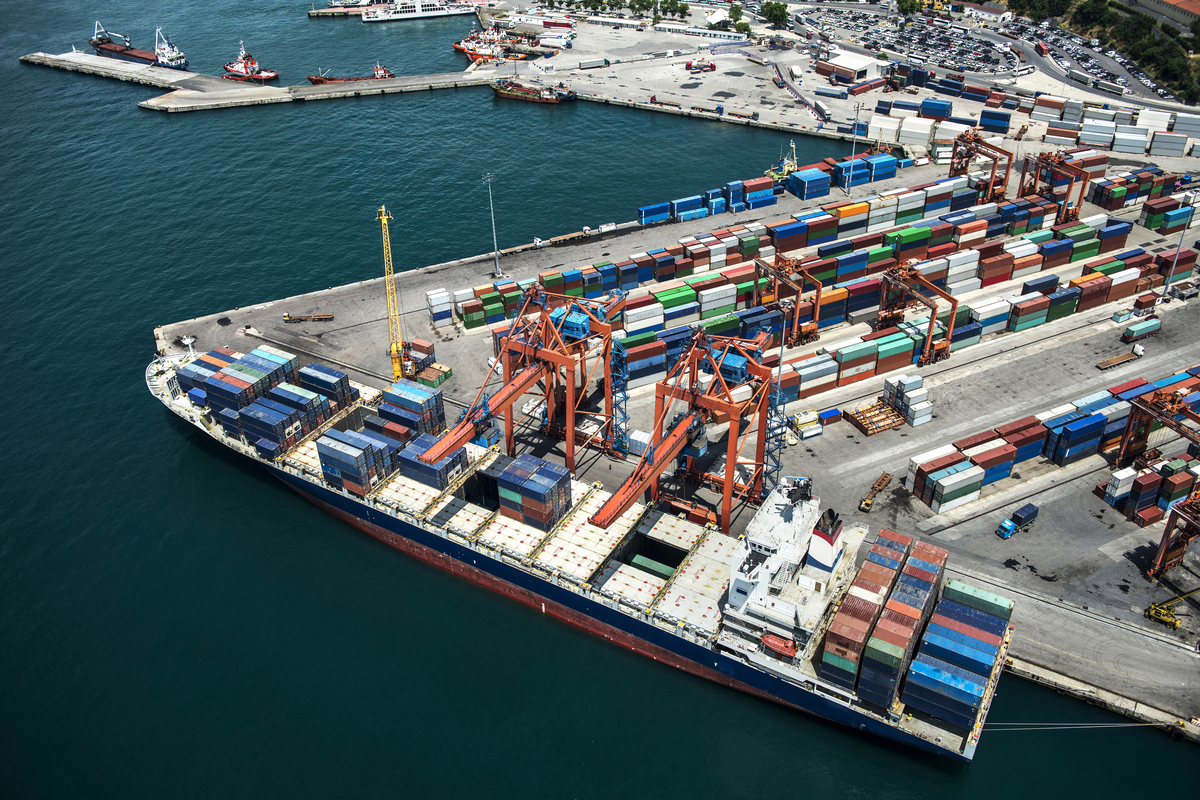
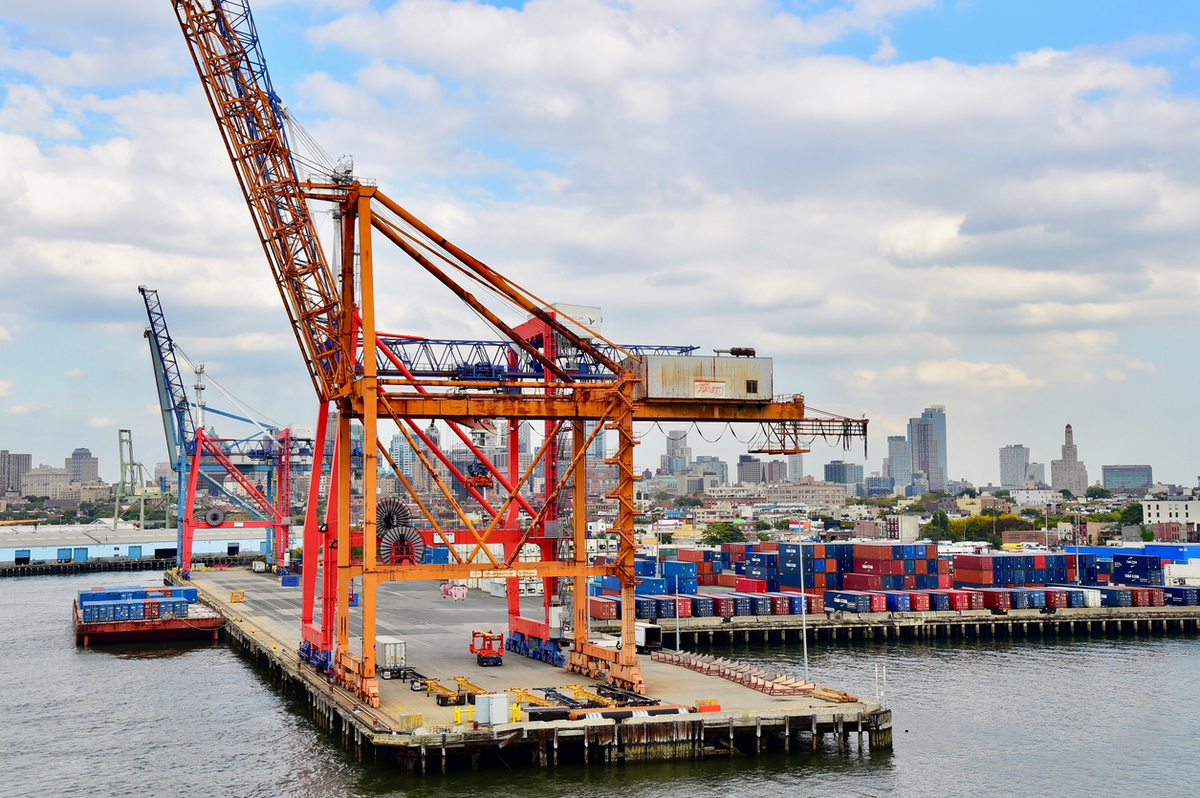 IMAGE: Red Hook Container Terminal in Brooklyn. Getty Images
North America
Bunker demand in Houston has remained steady, with advised lead times for all three conventional grades currently between 6-10 days.
The port is a key bunkering hub on the US Gulf Coast and is affected by the region’s annual fog season. Persistent dense fog continues to pose visibility risks and operational restrictions for bunker vessels, which could delay deliveries this week.
"Fog hasn't been a major issue for a bit, but we did have some really bad fog around Christmas, and it can sometimes last a week or more," a bunker trader tells ENGINE.
"Vessel transits and barge movements, however, could be disrupted if conditions deteriorate, potentially causing delays," the trader added.
Some suppliers in Houston have extended lead times or remain uncertain about their earliest delivery dates, while a few are fully booked until 28–29 January and have stopped offering.
Bunker operations at the Galveston Offshore Lightering Area (GOLA) could face delays on Thursday due to fog, while rough seas and high winds are expected to cause prolonged delays from late on 24 January through to 26 January.
Deliveries in GOLA are currently being done on a first come first basis. Lead times of more than five days have mostly been recommended for any of the three conventional fuel grades this week, a source said.
Sea fog and reduced visibility are expected to impact ports across the central and western US Gulf Coast, including Brownsville, Corpus Christi, Freeport, Galveston and Port Arthur.
Further east, Lake Charles and New Orleans are also facing thicker fog and visibility risks, which could lead to disruptions until 25 January.
In New York, demand has remained static since last week. Extremely cold weather moving into the harbour is expected to weigh on HSFO supply over the coming week, a source said.
Lead times for HSFO stand at 6–7 days, while VLSFO and LSMGO are available for prompt delivery, with recommended lead times of 2–3 days.
On the West Coast, availability across all fuel grades is normal in Los Angeles and Long Beach, with suppliers recommending lead times of 5-7 days.
Container traffic is expected to ease a tad, with 18 vessel arrivals forecast for next week, down from 19 this week, according to the ports’ vessel tracker Signal.
In Canada’s Vancouver, advised lead times remain the same as last week. Most suppliers can deliver HSFO within 4–5 days. VLSFO and LSMGO are available with lead times of 4–8 days this week, a source said.
Latin America and the Caribbean
In Panama, availability has remained normal, and demand has eased towards the end of January, a supplier told ENGINE.
Recommended lead times for HSFO, VLSFO and LSMGO are 4–6 days ahead.
In Colombia, VLSFO and LSMGO availability is good at Cartagena, Santa Marta and Barranquilla, with the earliest delivery dates around 2-3 days out.
In Cartagena and Barranquilla, HSFO is available but requires longer lead times.
In Brazil, VLSFO and LSMGO availability is steady in Santos, with lead times of around 5–8 days. In Rio de Janeiro, availability has improved from last week for both the grades and the earliest delivery date is 28 January.
At OPL Sepetiba, availability is tight with the earliest delivery date for VLSFO and LSMGO extending to 30 January. In Salvador, the earliest delivery date is 25 January for both the grades.
Paranaguá has normal VLSFO availability with lead times between in 4–5 days, and LSMGO can be made available on request, a trader tells ENGINE.
Across Rio Grande, Belém and Vila do Conde, both low sulphur grades are available and can be supplied within the recommended lead times of 4–5 days.
In Itaqui, the earliest delivery dates for VLSFO are between 23-24 January. LSMGO is currently not available in the port.
At Zona Comun, deliveries are currently underway, but periods of high wind gusts until 24 January could lead to intermittent disruptions. Lead times at the anchorage for VLSFO and LSMGO are at 5–7 days.
Bunker operations can be suspended when wind speeds exceed 20 knots, in line with local authority guidelines.
By Gautamee Hazarika
Please get in touch with comments or additional info to news@engine.online