Americas Market Update 20 May
Bunker fuel prices have moved in mixed directions, and suppliers in New York could require tug support for deliveries if weather conditions worsen.
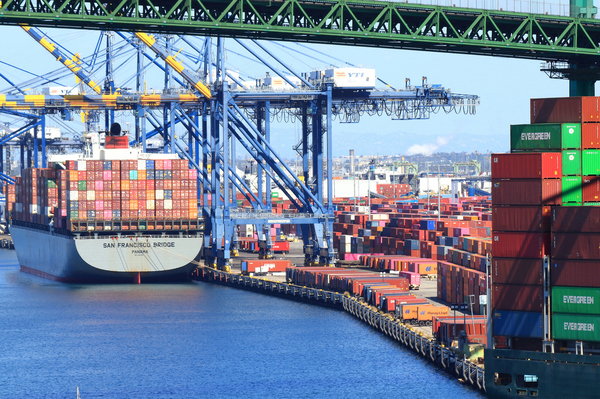
 IMAGE: Container loading area in the port of Balboa. Getty Images
Changes on the day to 08.00 CDT (13.00 GMT) today:
- VLSFO prices up in Balboa ($5/mt), and down in Zona Comun ($37/mt), New York ($23/mt), Los Angeles ($19/mt) and Houston ($4/mt)
- LSMGO prices down in Zona Comun ($47/mt), Los Angeles ($27/mt), Balboa ($26/mt), New York ($25/mt) and Houston ($10/mt)
- HSFO prices down in Balboa ($39/mt), Houston ($21/mt), Los Angeles ($18/mt) and New York ($16/mt)
VLSFO prices have decreased across key hubs in the Americas, except at the port of Balboa, where the price has increased by $5/mt.
Meanwhile, Balboa's HSFO price benchmark has recorded the largest decline for the grade, widening the port's Hi5 spread to $95/mt today, from $51/mt yesterday.
Panama’s bunker demand has remained high, and fuel availability across the region is generally normal, a source said.
New York City's LSMGO price benchmark has fallen and is currently at discounts of $27/mt to Philadelphia and $108/mt to Norfolk on the East Coast.
New York has had strong winds and a period of potential disruption is expected until 23 May. Suppliers may require standby tugs to complete deliveries if conditions become too severe, a trader said.
Bunker demand has held steady this week in New York, with recommended lead times for HSFO and VLSFO currently around 5–7 days. LSMGO can be secured within 3–4 days.
Brent
The front-month ICE Brent contract has lost $1.71/bbl on the day, to trade at $108.64/bbl at 08.00 CDT (13.00 GMT) today.
Upward pressure:
US crude oil inventories declined by a 9.1 million bbls in the week ending 15 May, according to the latest US inventory report by the American Petroleum Institute (API). The decline exceeded market expectations of a 3.4 million-bbl draw.
A decline in US crude stocks could indicate improved demand for oil and can put some upward pressure on Brent's price.
“We’re [the US] exporting record volumes of crude (hitting over 5-6 million barrels per day in recent weeks as global buyers flock to U.S. barrels), which is tightening domestic balances,” remarked Price Futures Group’s senior market analyst Phil Flynn.
Downward pressure:
Brent crude’s price has edged lower as market participants balance the risk of renewed US strikes on Iran against hopes for a potential peace agreement, according to analysts.
The North Atlantic Treaty Organization (NATO) is discussing ways to helps commercial ships pass through the Strait of Hormuz, if the waterway is not reopened by early July, Bloomberg reports.
Meanwhile, US Vice President JD Vance said talks with Tehran have “made a lot of progress” and neither side wants to see renewed military actions, Reuters reports.
“Oil no longer trades purely on barrels. It trades on confidence that the shipping lanes of global capitalism remain open for business,” SPI Asset Management managing partner Stephen Innes said.
By Gautamee Hazarika and Aparupa Mazumder
Please get in touch with comments or additional info to news@engine.online