East of Suez Fuel Availability Outlook 10 Feb
VLSFO and HSFO availability remains tight in Singapore
Availability tight across all grades is Zhoushan
LSMGO supply good across Omani ports
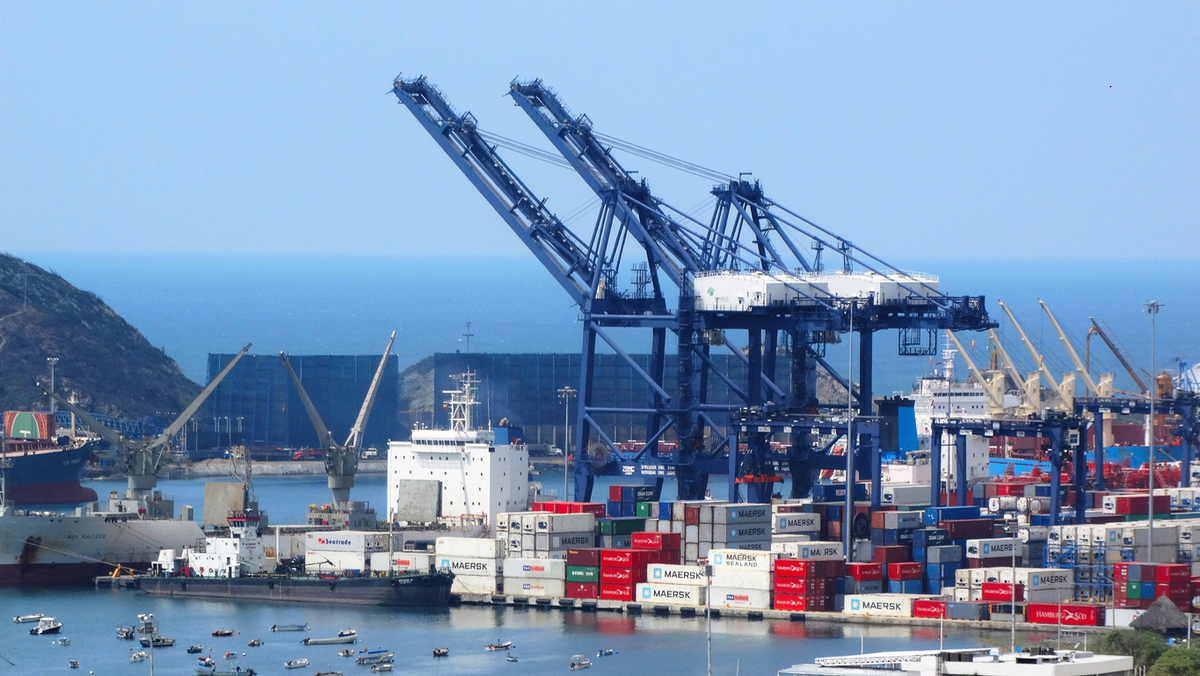
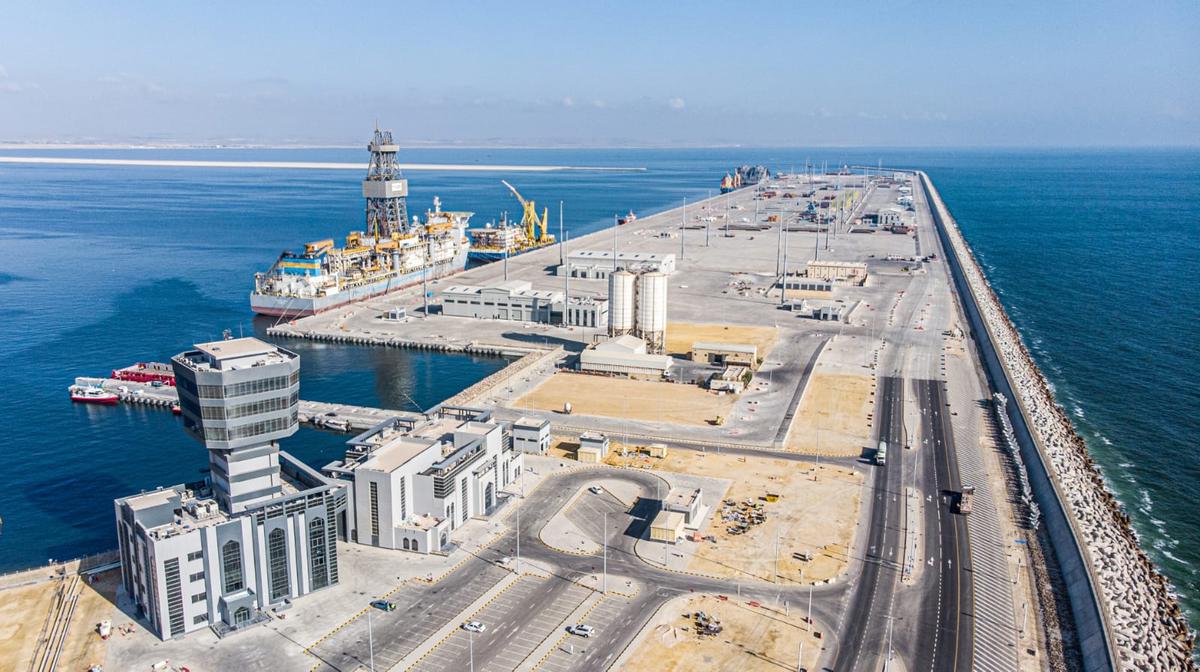 IMAGE: Asyad Terminal in Duqm. Asyad Terminal
Singapore and Malaysia
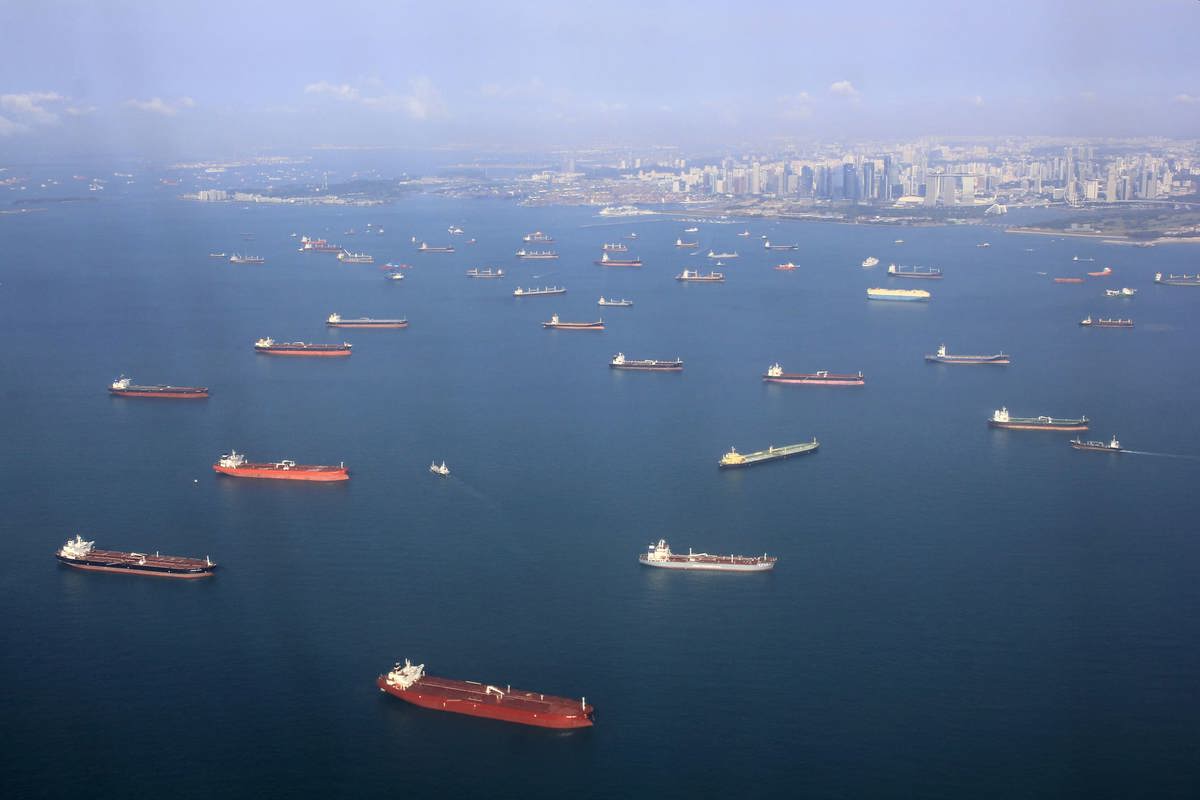
In Singapore, VLSFO availability remains tight, with recommended lead times of 9–13 days, slightly lower than last week’s 10–18 days. HSFO supply is also constrained, with advised lead times of 7–18 days. LSMGO availability is more uneven, with lead times ranging from 2–10 days, versus 3–5 days last week.
The ongoing supply tightness reflects several overlapping factors: uneven lead times across suppliers, high premiums for prompt stems, very tight loading schedules, and advance buying ahead of the Chinese New Year holidays, which has pulled demand forward.
Singapore’s residual fuel oil stocks have averaged 3% higher so far in February than in January, according to data from Enterprise Singapore. Fuel oil inventories have climbed above 24 million bbls, even as the port’s net fuel oil imports have declined by 8% so far this month. During this period, imports rose by 789,000 bbls, while exports increased by a larger 1.07 million bbls.
Middle distillate inventories have also strengthened, rising 6% so far this month to 8.93 million bbls—their highest level since November.
At Port Klang, VLSFO and LSMGO are generally well supplied, particularly for smaller prompt stems, while HSFO supply remains tight and harder to secure.
East Asia
VLSFO supply in Zhoushan has tightened despite muted demand, with several suppliers now quoting lead times of around 7–10 days, up from roughly five days last week. LSMGO availability has also deteriorated, with lead times widening from 3–5 days to 7–10 days. HSFO deliveries require 7–10 days, compared with about seven days previously.
The tightening is largely linked to loading delays faced by multiple suppliers following adverse weather. Weather-related disruption led to temporary anchorage suspensions in Zhoushan last Friday, though operations resumed from Monday morning.
Across northern China, bunker supply conditions remain uneven. Dalian and Qingdao have adequate availability of both VLSFO and LSMGO, although HSFO remains tight in Qingdao. In Tianjin, bunker supply is constrained across all fuel grades. At Shanghai, VLSFO and HSFO availability remains limited, while LSMGO supply is stable.
Further south, tight conditions persist for both VLSFO and LSMGO in Fuzhou. Suppliers in Xiamen report sufficient VLSFO stocks, but LSMGO supply remains limited. In Yangpu and Guangzhou, delivery options for both grades continue to be restricted.
Bunkering activity across China is expected to slow during the Chinese New Year holiday period from 15–23 February, as several suppliers are planning to halt operations. The final booking date for stems to be delivered during this window is 11 February, according to a source.
In Hong Kong, bunker supply operations will continue throughout the holiday period, although suppliers are applying holiday surcharges to bookings. Lead times there remain steady at around seven days for all grades, largely unchanged from recent weeks.
Across Taiwan, lead times for VLSFO and LSMGO remain broadly stable. Deliveries at Keelung and Hualien continue to require about two days’ advance notice, while slightly longer lead times of around three days are still advised at Kaohsiung and Taichung.
Meanwhile, the delivery of fresh bunker stems at several ports in Taiwan will be temporarily suspended during the Chinese New Year holiday period.
In South Korea, most suppliers are now quoting lead times of about 7–8 days for all bunker grades, compared with a wider range of 3–8 days last week. Persistent harsh winter conditions continue to raise the risk of operational disruption. Weather-related interruptions may affect bunkering in Busan, Ulsan and Yeosu between 13–15 February, while Daesan could face disruptions from 15–16 February.
Bunkering activity is expected to remain subdued during the Lunar New Year (Seollal) holiday period from 16–18 February, as barge operations are likely to be suspended, although this may vary by supplier, according to a trader.
In Japan, VLSFO supply is good at major ports including Tokyo, Chiba, Yokohama, Kawasaki and Oita. In contrast, VLSFO availability is tight at Nagoya, Yokkaichi, Mizushima and Tokuyama, where recommended lead times stand at 7–10 days, largely unchanged from last week.
LSMGO availability remains broadly stable across Japan. B24-VLSFO is offered only on request at Tokyo, Chiba and Yokohama. HSFO supply is generally stable at several ports. At Oita, suppliers report adequate availability of all three grades, while Kahima has good supplies of both VLSFO and HSFO.
Bunkering activity in Japan is expected to remain subdued on 11 February, which marks National Foundation Day, and again on 23 February, observed as Emperor’s Birthday Day.
In Indonesia, VLSFO availability remains steady at Jakarta, Surabaya, Balikpapan and Cigading, with suppliers typically quoting lead times of 2–3 days. LSMGO supply is also stable in Jakarta, Benoa, Surabaya and Batam. HSFO is reported to be well stocked in Jakarta, Surabaya and Balikpapan, a trader said.
Oceania
Bunker supply across Australia remains broadly stable, with VLSFO and LSMGO readily available nationwide and seven-day lead times still typical. In Western Australia, suppliers are advising lead times of around seven days at Kwinana and Fremantle. Most deliveries are handled by barge from a single supplier, while LSMGO can also be delivered by truck. Strong afternoon winds continue to cause occasional scheduling disruptions.
In New South Wales, VLSFO deliveries at Port Kembla are possible by both truck and pipeline, with pipeline parcels starting at around 70 mt and smaller volumes supplied by truck. Sydney is currently operating with one barge and also offers truck deliveries and pipeline supply at selected berths. Delivery schedules there are frequently adjusted to accommodate naval and cruise vessels. While VLSFO and LSMGO inventories remain healthy, HSFO availability is tight, with suppliers generally requiring about seven days’ notice. Seasonal cruise traffic in Sydney, Cairns and Darwin between December and February is expected to place additional pressure on delivery schedules. A supplier in Sydney noted that heavy vessel traffic during the peak cruise season is stretching port operations, though overall availability remains steady.
In Brisbane and Gladstone, VLSFO and LSMGO continue to be supplied with lead times of around seven days. HSFO is available on request in Brisbane, while Gladstone may still face intermittent weather-related delays. Access constraints persist at Brisbane’s AAT terminal. Two barges, operated by different suppliers, are active in Brisbane supplying VLSFO and LSMGO, with HSFO offered only on enquiry.
In Victoria, suppliers in Melbourne and Geelong hold strong inventories of VLSFO and LSMGO. HSFO remains tight for prompt delivery, although Melbourne currently has adequate supply. Both ports rely on a single barge, and lead times remain steady at around seven days. LSMGO can also be delivered by truck to smaller ports such as Portland and Port Welshpool within 2–3 days.
Overall, Australia’s bunker market remains stable, with deliveries often achievable within 3–4 days due to healthy inventory levels. Even at ports with pipeline infrastructure, including Darwin and Dampier, suppliers continue to rely heavily on truck deliveries to support distribution.
In New Zealand, bunker supply is stable. VLSFO is widely available at Tauranga and Auckland, with pipeline access available at certain berths in Tauranga. At Marsden Point, both VLSFO and LSMGO can be delivered by pipeline to cargo vessels, while truck availability across South Island ports remains limited.
Meanwhile, the northern Australian cyclone season, which runs from November to April, is expected to cause intermittent disruptions, with 9–11 cyclones forecast this year, according to a source.
Ports in Western Australia have reopened after Tropical Cyclone Mitchell weakened to a Category 1 system offshore Coral Bay. The ports of Ashburton, Barrow Island, Cape Preston, Dampier, Onslow, Port Walcott and Varanus Island all resumed operations on Monday, according to GAC Hot Port News.
South Asia
In Sri Lanka, bunker supply is good. A supplier operating in both Colombo and Hambantota is advising lead times of approximately five days for all grades.
Middle East
Prompt bunker supply in Fujairah remains tight across all fuel grades, with several suppliers recommending lead times of 5–7 days, although some can arrange urgent stems at a premium, according to a source. Similar supply conditions are also reported at Khor Fakkan.
In Basrah, VLSFO and LSMGO remain readily available, while HSFO supply continues to be limited. At Jeddah, availability of both VLSFO and LSMGO has improved, but port congestion is still slowing bunker delivery operations.
VLSFO, LSMGO and HSFO stocks are close to depletion at Port Suez. Weather-related disruptions are expected to affect bunkering at both Port Suez and Port Said on 13 February.
In Ras Laffan, supplies of VLSFO and LSMGO remain tight. VLSFO availability is stable in Djibouti, although LSMGO inventories there are nearly exhausted.
Across Oman—including Sohar, Salalah, Muscat and Duqm—bunker supply remains stable, with suppliers consistently offering LSMGO within prompt delivery windows.
By Tuhin Roy
Please get in touch with comments or additional info to news@engine.online