East of Suez Market Update 25 June
Prices in East of Suez ports have moved down, and VLSFO availability is good across several Indonesian ports.
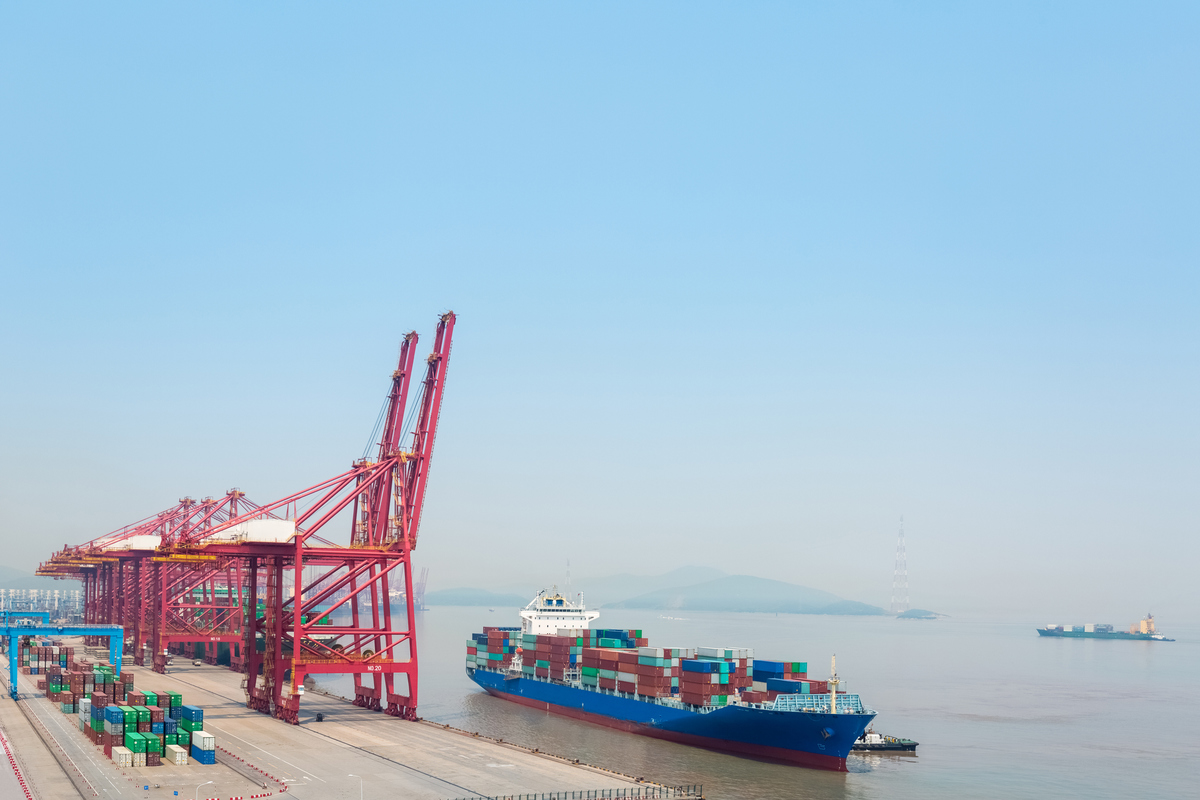 IMAGE: An ocean-going freighter berthed at the Port of Ningbo. Getty Images
Changes on the day to 17.00 SGT (09.00 GMT) today:
- VLSFO prices down in Fujairah ($34/mt), Zhoushan ($20/mt) and Singapore ($16/mt)
- LSMGO prices down in Fujairah ($38/mt), Zhoushan ($34/mt) and Singapore ($30/mt)
- HSFO prices down in Zhoushan ($40/mt), Fujairah ($34/mt) and Singapore ($19/mt)
- B30-VLSFO price down in Singapore ($31/mt)
Zhoushan's HSFO price has fallen by $40/mt over the past day, marking the steepest decline among the three major Asian bunker hubs. Even after the decline, the port's HSFO continues to trade at a $101/mt premium to Singapore, while remaining at an $8/mt discount to Fujairah.
Zhoushan's VLSFO price has eased by a smaller margin, widening the port's Hi5 spread to $78/mt from $58/mt. Even so, Zhoushan's Hi5 spread remains substantially narrower than Fujairah's at $409/mt and Singapore's at $240/mt.
Prompt VLSFO supply in Zhoushan continues to be tight despite subdued demand. Suppliers are currently advising lead times of around seven days, compared with 7–10 days last week. Availability of LSMGO and HSFO has improved, with recommended lead times of about three days, down from 3–5 days a week earlier.
Indonesia's bunker market remains well supplied. VLSFO availability is stable across Jakarta, Surabaya, Balikpapan and Cigading, where suppliers are generally quoting lead times of around 2–3 days.
Brent
The front-month ICE Brent contract has declined by $3.33/bbl on the day, to trade at $72.37/bbl at 17.00 SGT (09.00 GMT) today.
Upward pressure:
Brent price has felt some upward pressure after US Energy Information Administration (EIA) reported a big draw in US crude stocks.
Commercial US crude oil inventories decreased by 6.1 million bbls to 412.1 million bbls in the week ending 19 June, according to data from the EIA.
The American Petroleum Institute (API) reported a comparatively smaller decline of 765,000 bbls in crude stocks during the same week.
A fall in US crude stockpiles is generally seen as a sign of stronger oil demand and can provide upward support to Brent’s price.
“[Inventory] levels are so low at Cushing, the main storage hub in the US, that traders are concerned that some companies will be forced to take tanks out of service due to risks of collapse,” ANZ Bank’s senior commodity strategist Daniel Hynes noted.
Downward pressure:
Brent crude’s price has continued to slide lower as the ongoing US and Iran negotiations pointed to further easing of tensions in the Middle East.
Signs of progress in the talks, the resumption of tanker movement across the Gulf and a two-month US sanctions waiver, have collectively erased the conflict-driven price surge seen earlier in March.
“Brent has dropped roughly 8% over the past week as the market begins to price a far quicker reopening of Middle East supply than anyone would have dared expect at the height of the Hormuz shock,” according to SPI Asset Management managing partner Stephen Innes.
On Wednesday, two supertankers and one LNG tanker exited the Strait of Hormuz, heading for India and China, Reuters reported, citing data from LSEG and Kpler.
“The increased movement of ships through the Strait of Hormuz is also providing some hope that the worst of the supply disruptions are behind us,” Hynes said.
By Tuhin Roy and Aparupa Mazumder
Please get in touch with comments or additional info to news@engine.online