EU ports may already have a starting point for nuclear-powered shipping - study
Future rules for nuclear-powered shipping could build on the safety and regulatory frameworks being developed for ammonia and hydrogen bunker fuels at EU ports, a new study has found.
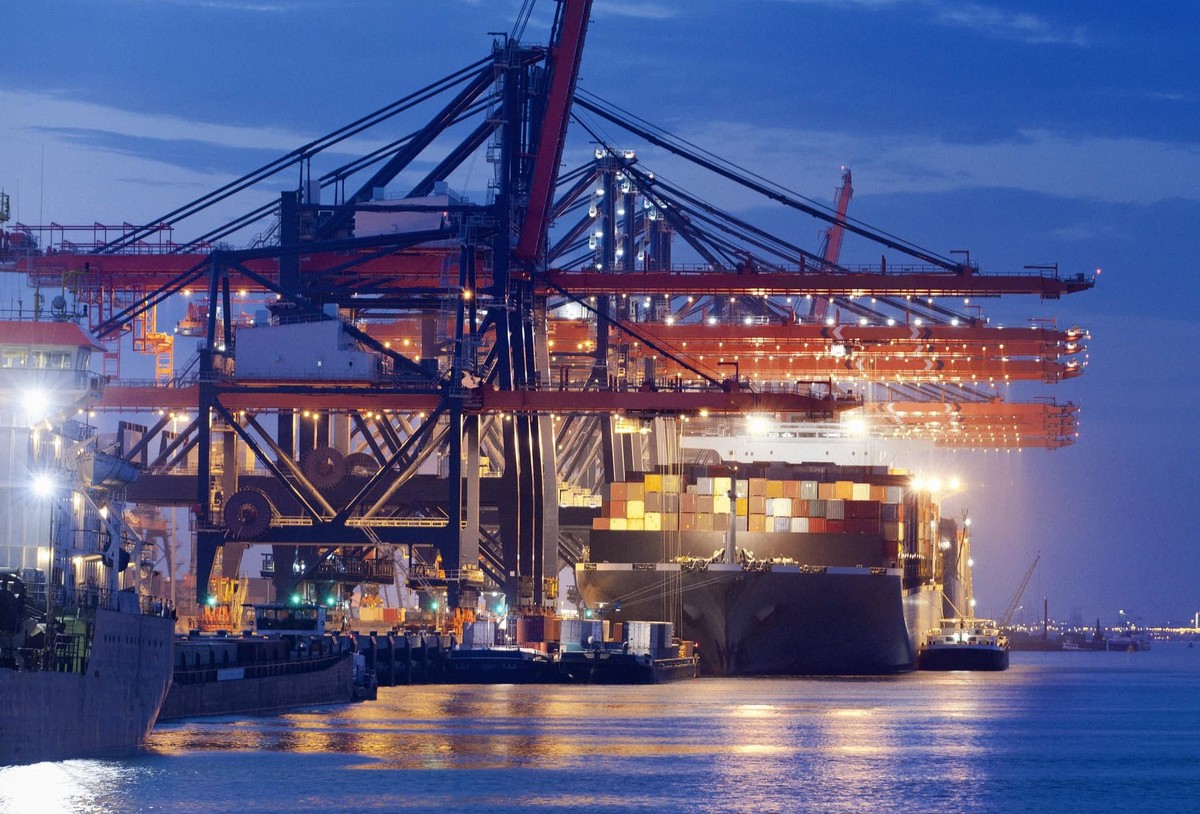 IMAGE: A container ship moored in a commercial dock at night in Rotterdam, Netherlands. Getty Images
The joint study was conducted by UK-based CORE POWER, shipping company A.P. Moller-Maersk, the Port of Rotterdam and classification society Lloyd's Register.
The report examined the safety and regulatory considerations associated with a nuclear-powered feeder vessel calling at a major European port.
It found that the main barriers to commercial nuclear-powered ships calling at EU ports stem from regulatory and governance gaps rather than technical limitations.
Existing regulations do not clearly cover commercial nuclear-powered ships, while ports lack guidance on nuclear licensing, insurance and liability requirements for visiting vessels, according to the study.
To address these barriers, the report recommends that ports, regulators and industry begin developing guidance and regulatory frameworks for nuclear-powered vessels.
The study noted that EU ports are already developing governance structures covering safety, licensing, permitting and industry partnerships for “high-risk” alternative fuels such as ammonia and hydrogen.
These safety and regulatory frameworks could provide a foundation for the future rules for nuclear-powered shipping in these ports, with any remaining gaps addressed through additional regulatory measures and industry collaboration, it said.
Near-term actions include public engagement, advancing vessel designs, applying existing port safety methodologies to nuclear ship scenarios and developing national regulatory approaches alongside international efforts, the study recommended.
The report also calls for ship-specific guidance for nuclear-powered vessels covering emergency response, berthing, training, insurance and liability, as well as the integration of nuclear provisions into international maritime regulations and standards over the longer term.
By Konica Bhatt
Please get in touch with comments or additional info to news@engine.online