Europe & Africa Market Update 20 Jan
Bunker prices across European and African ports have mostly moved higher, and VLSFO supplies in ARA are tight for prompt dates.
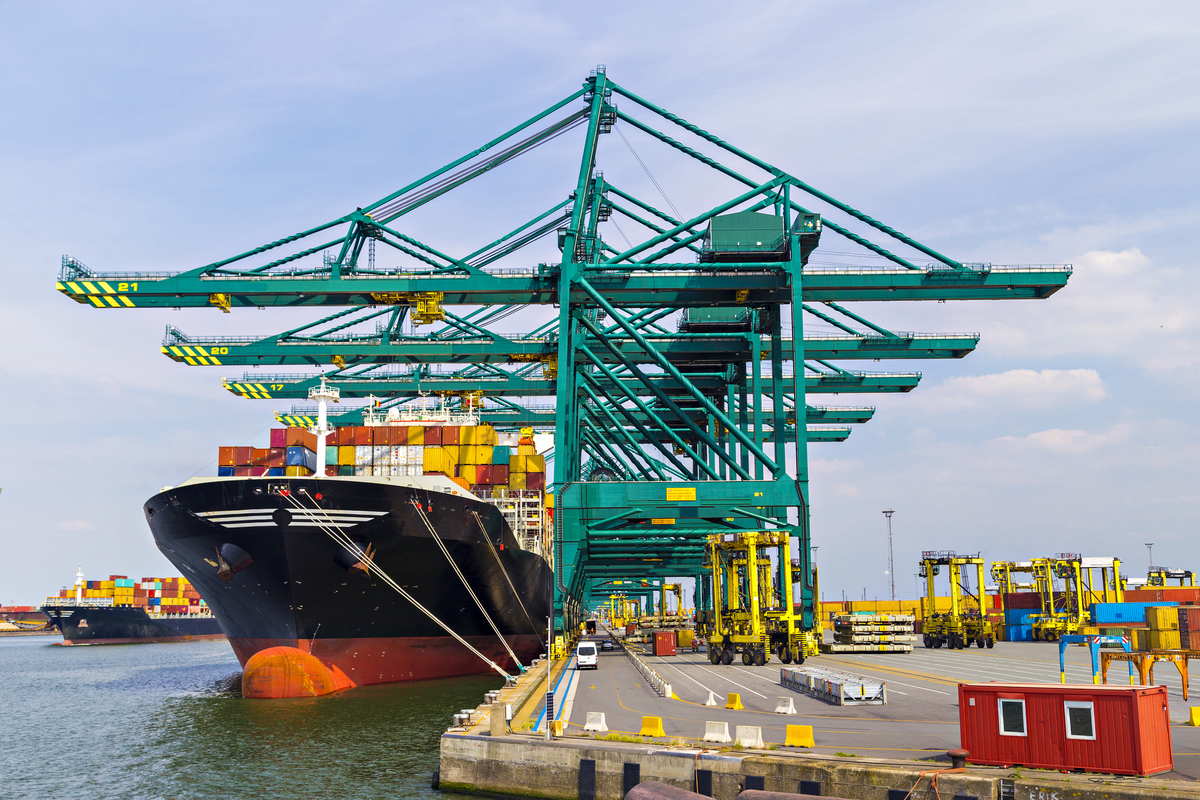 IMAGE: Huge container ship being unloaded with cranes at a container terminal in Antwerp, Belgium. Getty Images
Changes on the day to 09.00 GMT today:
- VLSFO prices up in Durban ($4/mt) and Gibraltar ($3/mt), and down in Rotterdam ($3/mt)
- LSMGO prices up in Gibraltar ($12/mt) and Rotterdam ($2/mt)
- HSFO prices up in Durban ($5/mt), Rotterdam and Gibraltar ($2/mt)
- Gibraltar B30-VLSFO premium over VLSFO down $1/mt to $322/mt
Most conventional fuel prices have moved higher over the past day, in line with Brent.
Gibraltar's LSMGO price has recorded the highest gain amongst the ports, while the price of VLSFO at Rotterdam has inched lower over the day.
The price of VLSFO at Belgium’s Antwerp has also slipped by $7/mt, pressured by a 500–1,500 mt stem fixed at a low $395/mt. The grade is currently offered at discounts of $26/mt and $45/mt to the Dutch ports of Rotterdam and Amsterdam, respectively.
Prompt supplies of VLSFO are tight in the Amsterdam-Rotterdam-Antwerp (ARA) bunkering hub with around 6-7 days of lead time generally recommended to get competitive offers from a wide selection of suppliers, a trader said.
LSMGO bunkers may also require around 4-5 days of notice, while HSFO is available more promptly, the trader added.
Brent
The front-month ICE Brent contract has gained by $0.10/bbl on the day, to trade at $63.68/bbl at 09.00 GMT.
Upward pressure:
Brent crude’s price has inched higher as a weaker US dollar provided some support to the broader commodities complex, according to two analysts from ING Bank.
“Commodities performed relatively well… as a weaker USD proved supportive,” ING Bank’s analysts said.
The gains come as trade tensions between the US and Europe intensify, after President Donald Trump called for the “complete and total purchase” of Greenland.
Besides, the sustained strength in ICE Brent time spreads will lend further support to prices, as it points to tightening conditions in the spot physical market, the two analysts added.
Downward pressure:
The total number of rigs drilling for crude oil in the US rose by one to 410 units last week, according to Baker Hughes.
The US oil rig count is seen as an indicator of future oil production. It reflects how much oil drilling activity is happening, or expected to happen, in the shale sector.
In an oversupplied market, any signal of increased future supply can put downward pressure on Brent’s price.
By Nachiket Tekawade and Aparupa Mazumder
Please get in touch with comments or additional info to news@engine.online