Europe & Africa Market Update 30 June
Regional bunker benchmarks have mostly moved higher, while prompt fuel deliveries in the Gibraltar Strait remain tight.
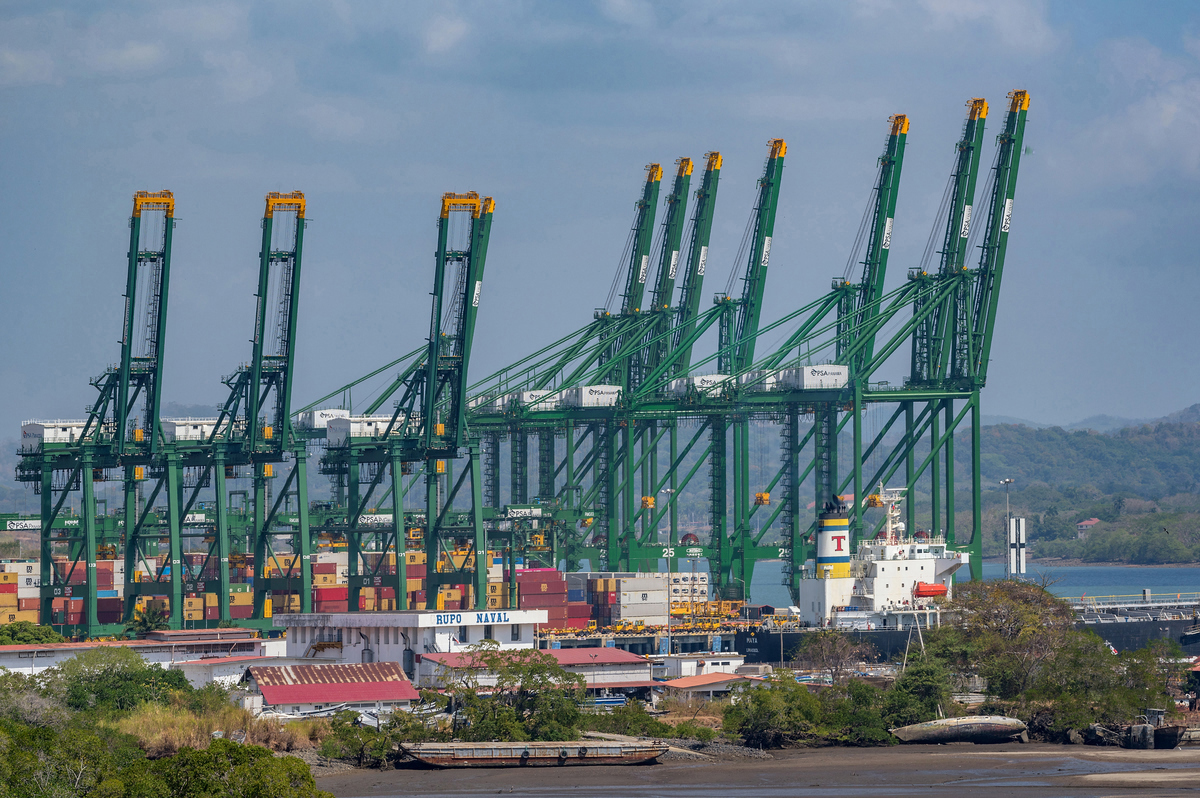
 IMAGE: Aerial view of the Bay of Gibraltar. Getty Images
Changes on the day to 09.00 GMT today:
- VLSFO prices up in Gibraltar ($15/mt), Rotterdam ($13/mt) and Durban ($2/mt)
- LSMGO prices up in Gibraltar ($45/mt) and Rotterdam ($16/mt), and down in Durban ($15/mt)
- HSFO prices up in Rotterdam ($6/mt) and Gibraltar ($5/mt)
- B30-VLSFO prices up in Rotterdam ($27/mt)
Gibraltar’s LSMGO price has gained more sharply compared to Rotterdam.
Three high priced LSMGO offers, priced between $976-1,010/mt, have provided support to Gibraltar’s benchmark. This has widened Gibraltar’s price premium over the Dutch port by around $29/mt over the past day, to $76/mt.
Fuel availability remains tight in the Gibraltar Strait ports for prompt delivery dates. Buyers are advised lead times ranging between 7-10 days to get good coverage from suppliers, a trader said.
Most suppliers in Gibraltar are running on time, with some suppliers delayed at most by around eight hours, port agent MH Bland said.
In neighbouring Algeciras, some deliveries could get delayed by anywhere between 12-36 hours, the port agent added.
Rough winds of more than 25 knots are forecast around 3 July, which could cause some disruptions to bunker operations.
Brent
The front-month ICE Brent contract has gained by $0.32/bbl on the day, to trade at $72.89/bbl at 09.00 GMT.
Upward pressure:
Brent crude’s price has traded higher this week, as crude oil movement through the Strait of Hormuz faced some constraints after Iran struck two commercial vessels with drones over the weekend.
The Panama-flagged oil tanker M/T Kiku, and the Singapore-registered container ship Ever Lovely, came under attack after Iran’s navy issued a warning to commercial vessels last week, cautioning them against using unauthorised routes to transit the strait.
“Crude oil prices gained as renewed fighting in the Middle East raised concerns about the sustainability of oil supplies flowing through the Strait of Hormuz,” ANZ Bank’s senior commodity strategist Daniel Hynes said.
In response to these vessel attacks, the US Central Command (CENTCOM) launched strikes on Iranian military targets, including air defense sites and surveillance infrastructure.
“Traffic through the Strait remains well below last week's post-war peak,” VANDA Insights’ founder Vandana Hari commented.
Downward pressure:
Brent’s price has felt some downward pressure from the latest positions data, as money managers and hedge funds decreased their net-long bets on ICE Brent futures over the last reporting week.
Speculators sold more than 23,000 lots as of 23 June, decreasing net-long positions in Brent futures to a little over 90,000 lots, according to futures and options data from ICE Futures Europe.
When speculators reduce net-long positions, prices tend to decline. Conversely, when they boost these positions, oil prices typically rise, leading to a cycle where their actions can influence oil prices and the market.
By Nachiket Tekawade and Aparupa Mazumder
Please get in touch with comments or additional info to news@engine.online