Europe & Africa Market Update 4 May
Prices of most conventional fuel grades have gained in European and African ports, and fuel availability is stable in Hamburg.
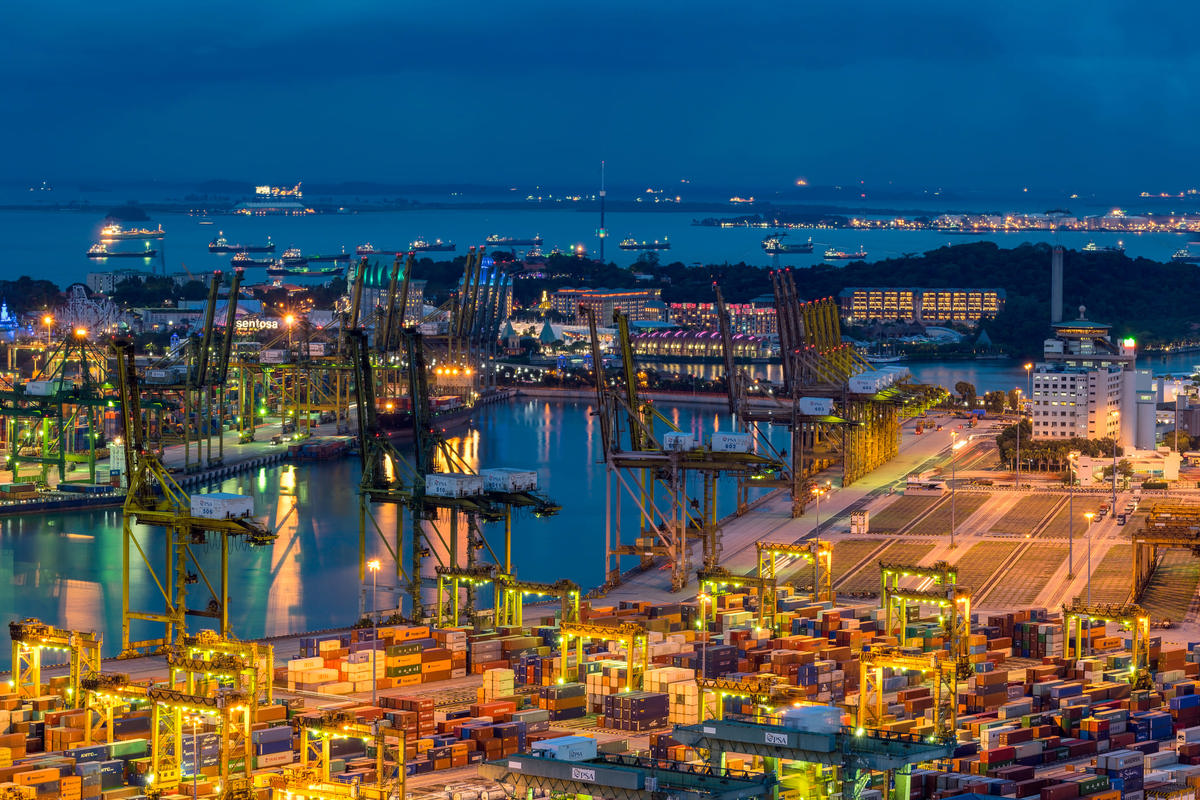
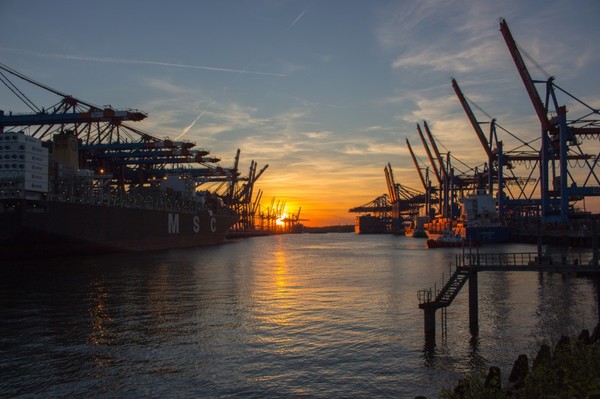 IMAGE: Gantry cranes at the Port of Hamburg. Hamburg Port Authority
Changes on the day from Friday to 09.00 GMT today:
- VLSFO prices up in Rotterdam ($36/mt) and Gibraltar ($12/mt), and down in Durban ($49/mt)
- LSMGO prices up in Durban ($47/mt) and Rotterdam ($13/mt), and down in Gibraltar ($1/mt)
- HSFO prices up in Durban ($217/mt), Rotterdam and Gibraltar ($5/mt)
- B30-VLSFO prices up in Gibraltar ($52/mt) and Rotterdam ($23/mt)
Most regional bunker benchmarks have mostly gained over the weekend, tracking the gain in Brent.
The price of VLSFO in Rotterdam has seen an almost threefold price increase compared to Gibraltar, narrowing the Dutch port’s discount to the Mediterranean port by around $24/mt over the weekend.
Meanwhile, Hamburg’s VLSFO price has slumped by around $61/mt over the weekend, flipping the German port's VLSFO price premium to Rotterdam of $13/mt seen yesterday, to an $83/mt discount today.
Hamburg’s LSMGO price has surged around $134/mt during the weekend. A higher-priced 150-500 mt LSMGO stem fixed at a higher-price of $1,395/mt has supported the price increase.
Fuel availability is stable in the German port, but buyers are advised to book stems with a lead time of around five days to get competitive offers from a wider selection of suppliers, a trader told ENGINE.
Brent
The front-month ICE Brent contract has moved $2.17/bbl lower on the day from Friday, to trade at $109.61/bbl at 09.00 GMT.
Upward pressure:
The Middle East conflict – now in its third month – has kept Brent’s price well above $100/bbl as the Strait of Hormuz closure remains the biggest concern for the oil market, according to analysts.
The US Central Command (CENTCOM) said it will start a new operation in the Strait of Hormuz to restore navigation through the highly crucial oil chokepoint.
The Strait of Hormuz handled about 20% of the world's global seaborne oil flows before the Middle East war broke out on 28 February.
“Crude oil prices rallied… as a US-Iran peace deal looked increasingly unlikely and raising the prospect of a sustained disruptions to oil supplies,” ANZ Bank’s senior commodity strategist Daniel Hynes said. “Peace talks have been stalled as both sides refuse to move on their respective red lines,” he added.
Downward pressure:
The front-month ICE Brent contract has changed from June to July, which goes a long way to explain the recent drop in price.
Brent's June contract was trading around $120/bbl on Thursday. However, the July contract opened near $111/bbl on Friday, accounting for much of the roughly $9/bbl decline.
Last week was quite volatile for the oil market amid "the expiration of the ICE Brent Jun-26 contract on Thursday,” ING Bank’s analysts said.
Brent crude’s price gains were further capped by a rise in US crude oil rig activity.
The total number of rigs drilling for crude oil in the US rose by one to 408 units last week, according to Baker Hughes.
The US oil rig count is seen as an indicator of future oil production. It reflects how much oil drilling activity is happening or expected to happen in the shale sector.
By Nachiket Tekawade and Aparupa Mazumder
Please get in touch with comments or additional info to news@engine.online