Europe & Africa Market Update 8 Oct
Bunker prices in European and African ports have mostly gained, and prompt fuel availability is tight in the ARA ports.
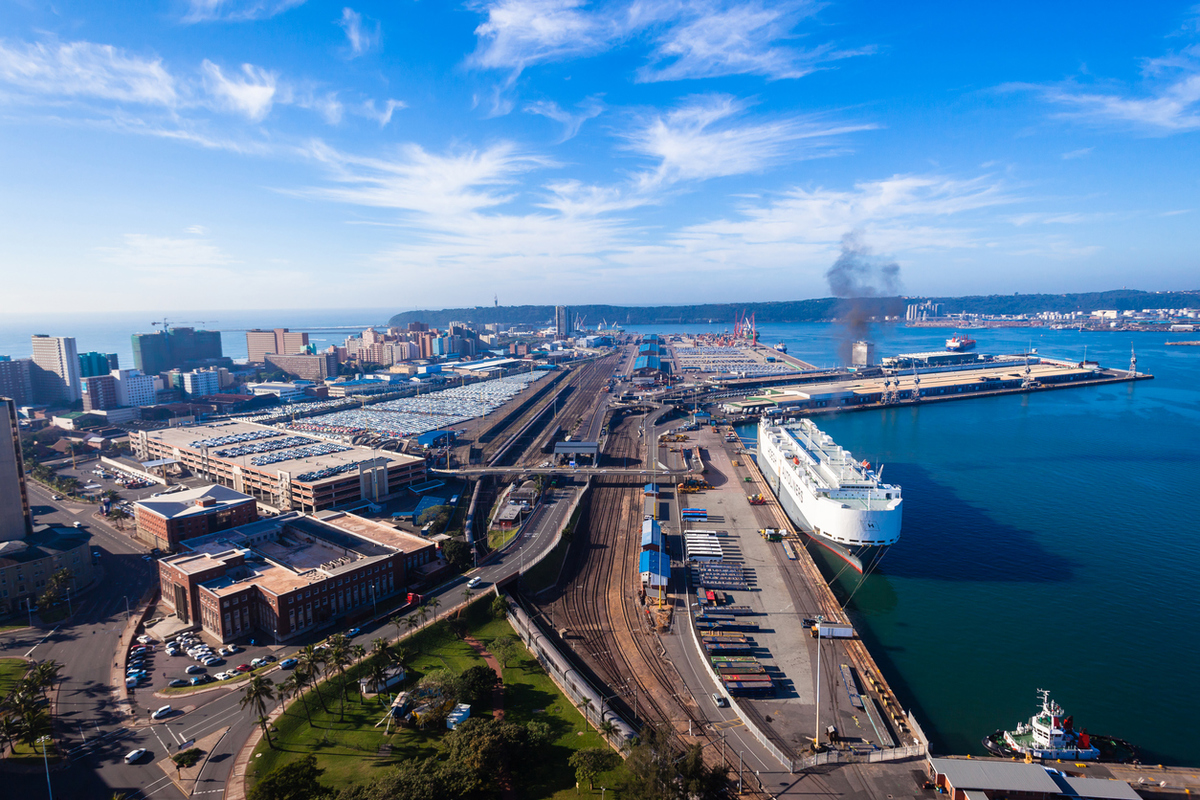
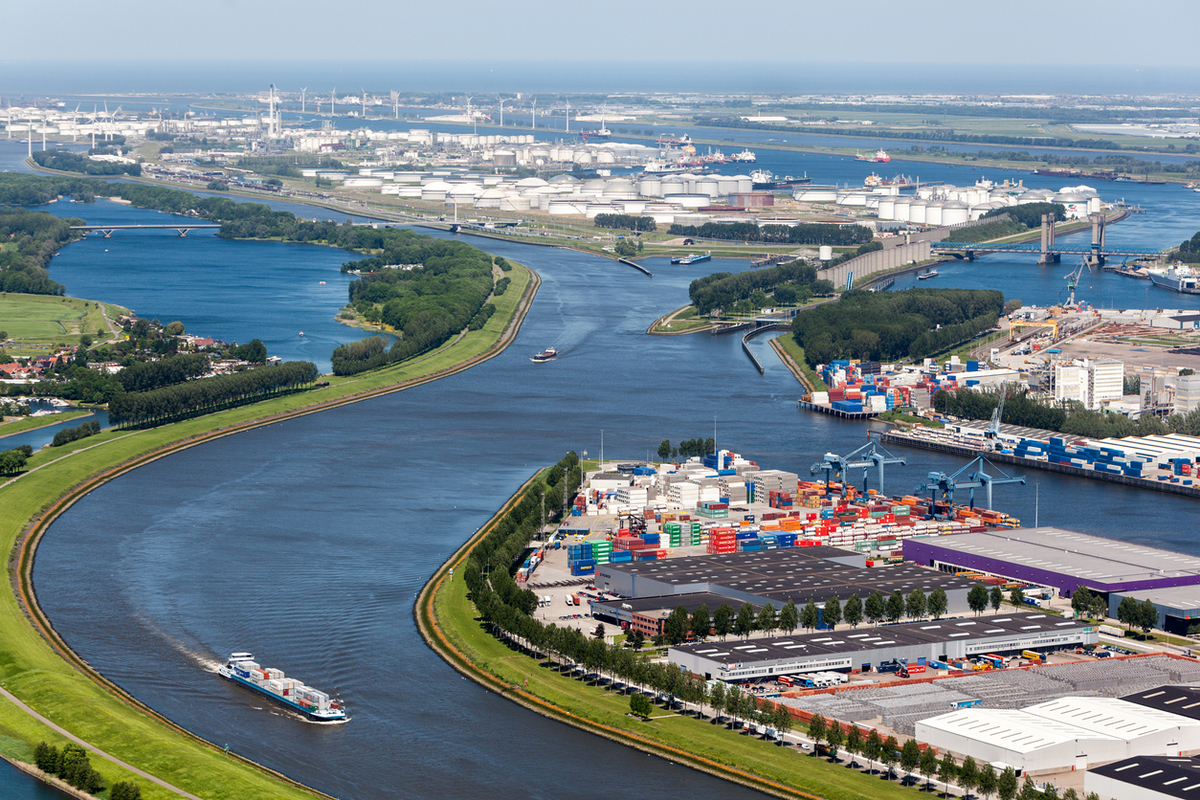 IMAGE: The Europoort area in the Port of Rotterdam. Getty Images
Changes on the day to 09.00 GMT today:
- VLSFO prices up in Gibraltar ($23/mt), Durban ($20/mt) and Rotterdam ($15/mt)
- LSMGO prices up in Durban ($47/mt), Gibraltar ($34/mt) and Rotterdam ($21/mt)
- HSFO prices up in Gibraltar ($28/mt) and Durban ($16/mt), and down in Rotterdam ($6/mt)
- B30-VLSFO price down in Rotterdam ($21/mt)
Bunker benchmarks have mostly increased over the past day, tracking Brent's uptick. Rotterdam’s HSFO price, as an outlier, has dipped slightly, pressured by a lower-priced 500-1,500 mt stem, fixed at $615/mt.
In comparison, Gibraltar’s HSFO price has increased significantly, widening Rotterdam’s price discount to Gibraltar’s HSFO price by $34/mt over the past session.
Rotterdam’s VLSFO price has also gained significantly against the dip in the HSFO price. The diverging movements have widened the port’s Hi5 spread by $21/mt, to $70/mt.
Rotterdam’s LSMGO price comes at a sharp $157/mt discount to Gibraltar.
Fuel availability is tight for prompt supplies of all fuel grades in the ARA region, with buyers recommended lead times of between 5-7 days to get good coverage from suppliers, the trader said.
Brent
The front-month ICE Brent contract has gained by $2.58/bbl on the day, to trade at $104.18/bbl at 09.00 GMT.
Upward pressure:
Brent crude’s price has moved higher, following more air assaults on commercial vessels navigating the Persian Gulf region.
An oil tanker was struck by multiple unknown projectiles within the Strait of Hormuz yesterday, the United Kingdom Maritime Trade Operations (UKMTO) agency reported.
The maritime agency has reported at least nine attacks in the key waterway so far this month, ANZ Bank’s senior commodity strategist Daniel Hynes said, adding that such attacks have resulted in a reduction in shipments from the Persian Gulf in the past.
The latest attack, that happened about 51 nautical miles north of Madinat ash Shamal, Qatar, have resulted in casualties, the UKMTO said.
“This time around, producers appear to be willing to take the risk of their vessels being damaged, as there is no alternative way to get their oil to international markets,” Hynes added.
The US Energy Information Administration (EIA) has reported a decline in crude inventories, putting further upward pressure on Brent’s price today.
Commercial US crude oil inventories decreased by around 3.2 million bbls to 424.1 million bbls in the week ending 2 October, according to data from the EIA.
A drop in US crude stocks can indicate higher demand for oil and put some upward pressure on Brent's price.
Downward pressure:
Brent’s price has felt some downward pressure after market reports showed some improvement in oil exports out of the Middle East.
Kuwait is reportedly producing at 75% of pre-war levels, while Saudi Arabia has reduced the official selling price (OSP) of the Arab Light to Asia for November loadings, in a sign of improving supply conditions.
There is also news that Iraq is hiring additional vessels to send oil through the strait.
Crude oil prices remain in a tug-of-war between increasing strikes on vessels in the Strait of Hormuz against increased flows, as the situation evolves, Hynes said.
By Nachiket Tekawade and Aparupa Mazumder
Please get in touch with comments or additional info to news@engine.online