ICCT backs broader UK ETS scope for shipping decarbonisation
Expanding the scheme to international voyages and smaller vessels could quadruple coverage and increase annual revenue, a new ICCT analysis finds.
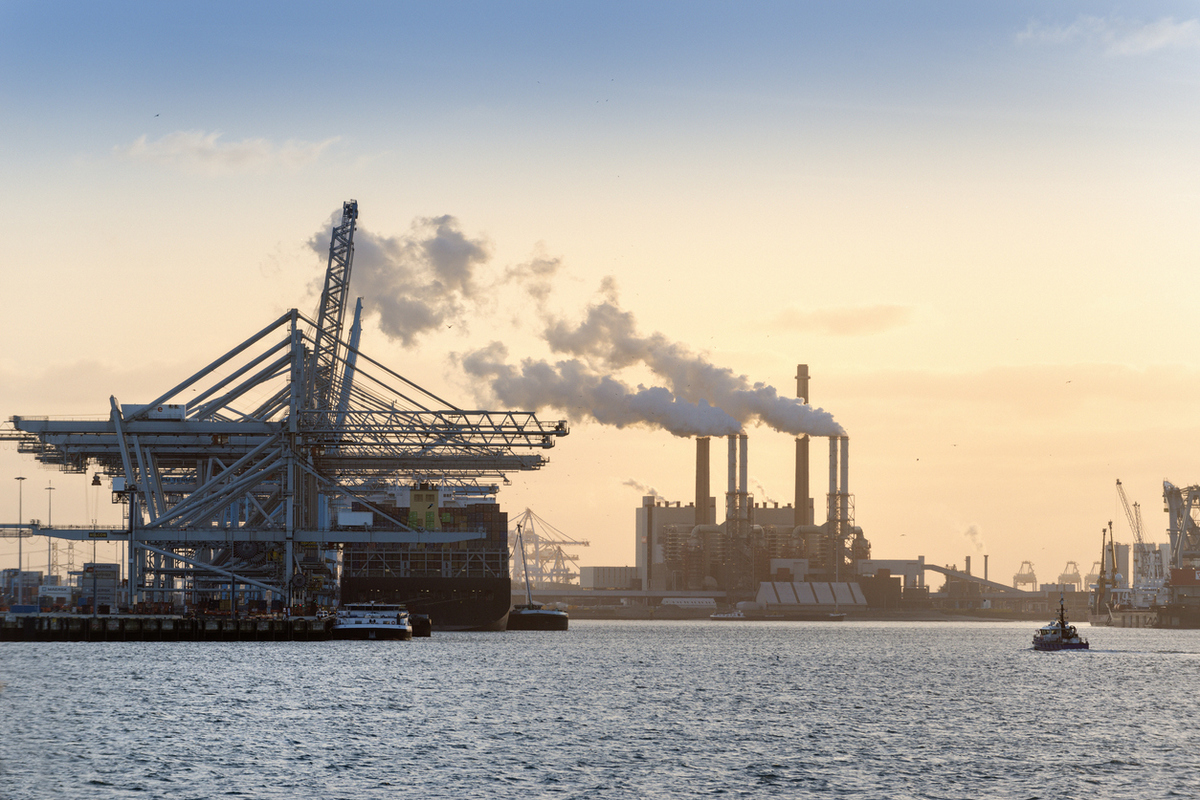 IMAGE: Container ship in cargo dock in industrial area. Getty Images.
The UK’s emissions trading scheme expanded to domestic shipping this year. However, it captures only 2.5 million mt of CO2 equivalent, or around 15%, of the 16.4 million mt emitted by UK-related shipping in 2023, according to the International Council on Clean Transportation (ICCT).
The current scope covers vessels of 5,000 gross tonnes (GT) or more while at berth, at anchor or sailing between UK ports.
ICCT points out that international voyages, which are the largest single source of UK-related shipping emissions at 12.1 million mt CO2e, fall outside it.
The think tank argues that covering 50% of emissions from international voyages by ships of 5,000 GT or more would mark the larger step and could triple the scheme’s current emissions coverage.
Expanding the scope further to include vessels below 5,000 GT would raise coverage to four times the level planned under the 2026 scope.
The proposed expansion could increase total regulated emissions from 2.5 million mt to 10.3 million mt CO2e, while raising annual revenue from an estimated $185–233 million to $766–954 million to support maritime decarbonisation.
Without broader coverage, ICCT warns operators have a financial incentive to reroute through non-covered ports or commission vessels below the size threshold to avoid compliance costs.
Despite the proposed expansion, the ICCT estimates that around 3.3 million mt of CO2e would remain outside the UK ETS, mainly from the half of international voyage emissions not covered by the scheme unless other jurisdictions introduce similar measures.
By Gautamee Hazarika
Please get in touch with comments or additional info to news@engine.online