IMO progresses certification rules for ammonia and hydrogen engines
The International Maritime Organization (IMO) is working towards allowing the certification of marine engines operating on non-carbon bunker fuels under draft amendments to its nitrogen oxides (NOx) rules, DNV reported.
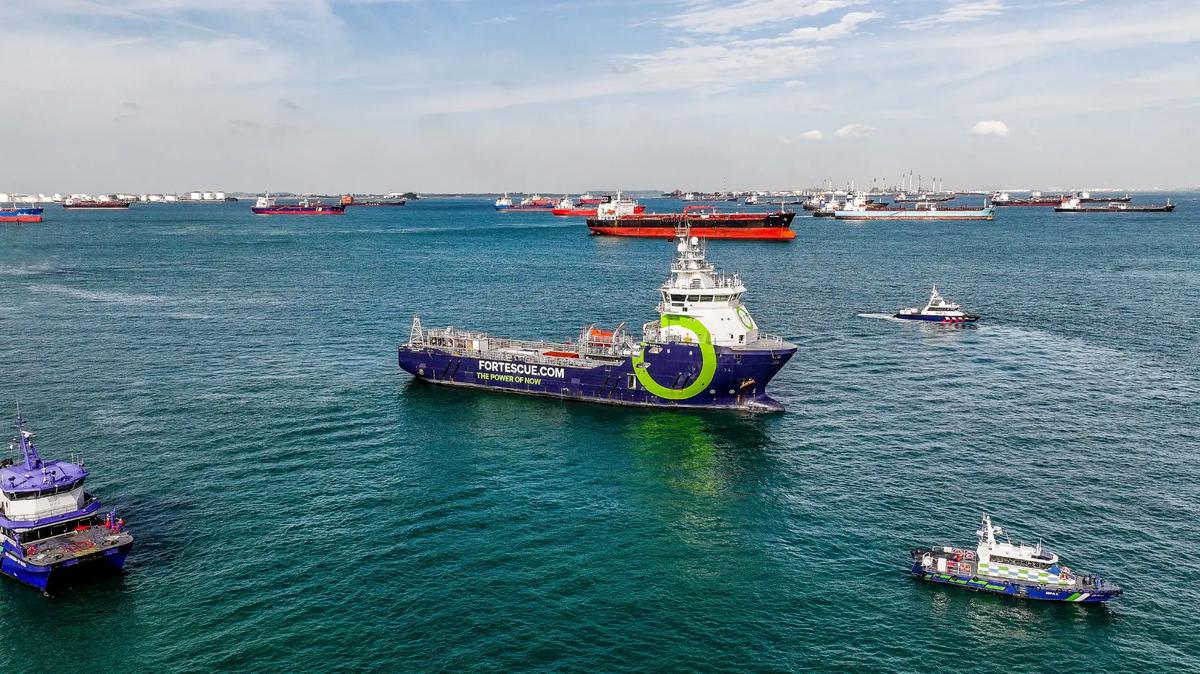 IMAGE: Ammonia-capable vessel, Green Pioneer. Fortescue
Delegates approved draft changes to the IMO’s NOx Technical Code during the 13th session of the Sub-Committee on Pollution Prevention and Response (PPR 13) in London, according to DNV.
DNV said that the revisions are intended to enable engines running on fuels such as ammonia and hydrogen, which contain no carbon molecules, to be certified under the IMO’s existing air pollution regulations.
The draft amendments introduce hydrogen- and oxygen-balance methods alongside the current carbon-balance approach used to assess emissions.
Hydrogen- and oxygen-balance methods are typically used to measure NOx emissions by tracking how hydrogen and oxygen move through an engine and its exhaust. These methods allow emissions from fuels such as ammonia and hydrogen to be calculated without relying on the carbon content of the fuel.
The committee also agreed that some alternative fuel-capable engines can produce higher NOx emissions when operating at low loads, but delegates differed on how this should be addressed. Some supported adjustments to test cycles and weighting factors, while others favoured alternative regulatory approaches, DNV said.
On-board NOx compliance was also discussed, though no consensus was reached. Talks included the potential use of electronic diagnostics, or onboard digital systems that monitor engine performance and emissions data in real time.
The amendments are expected to be approved at the upcoming Marine Environment Protection Committee meeting in April, with formal adoption targeted for later this year.
PPR 13 also reviewed submissions on the handling of ammonia effluent from ammonia-fuelled ships, but concluded that available data remains insufficient to set firm policies. Further proposals on this will be considered at PPR 14 in 2027.
By Konica Bhatt
Please get in touch with comments or additional info to news@engine.online