Insurer Gard flags rise in bunker quality claims
Bunker fuel quality claims have risen since the Middle East conflict escalated in late February, marine insurer Gard said.
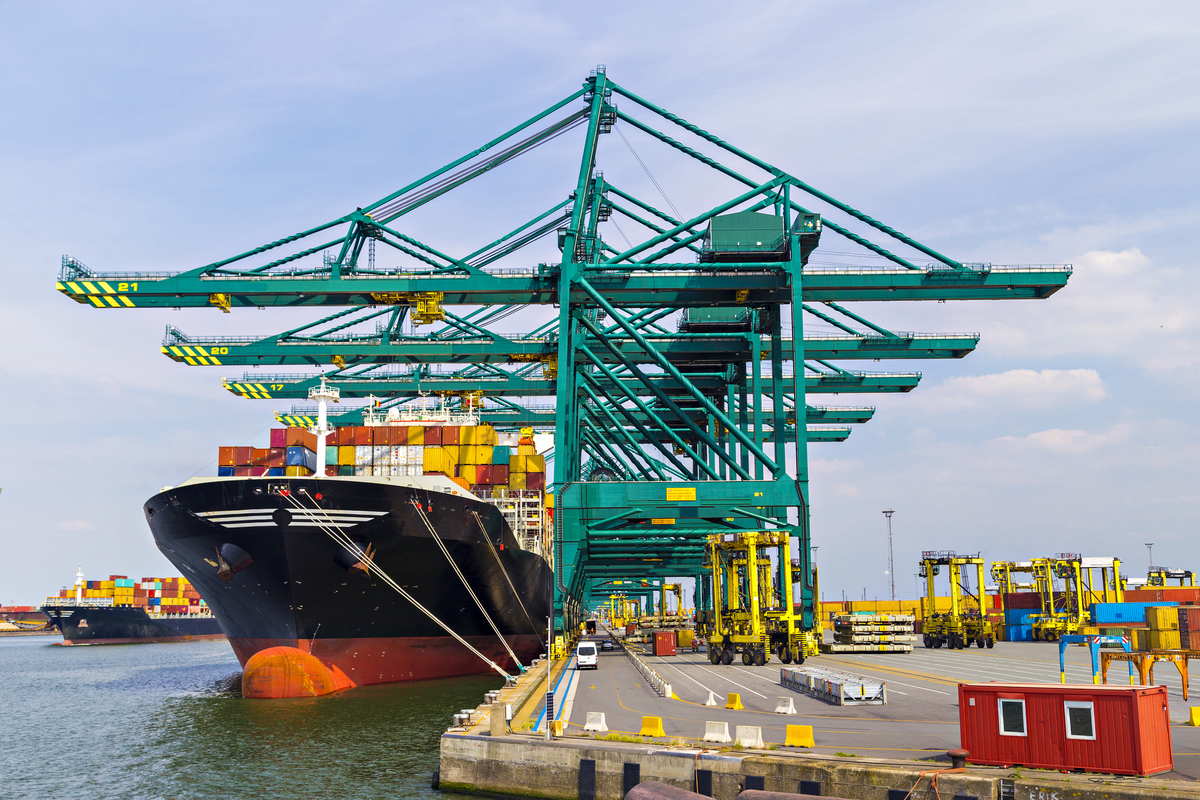 IMAGE: Container ship being unloaded with cranes at a container terminal in Antwerp, Belgium. Getty Images
Vessel engines have been damaged by low-quality fuel containing harmful materials, Gard said. The insurer handled more than 70 bunker-related cases in the first five months of the year.
Most cases were reported in major bunkering hubs, including Singapore, Houston and the ARA region. However, Gard noted that the concentration of claims in these locations may reflect higher bunkering volumes rather than a greater incidence of fuel quality problems.
ENGINE's fuel quality on VLSFO, HSFO and LSMGO shows an increase in the share of fuel samples testing above specification limits in some ports, but not others.
Around 4.4% of fuel quality samples in ARA ports in tested higher than the specification limit in the first quarter of 2026. That share rose to about 6.6% in the second quarter to mid-June, according to ENGINE's fuel quality data, which covers roughly 60% of samples collected globally.
In Singapore, the share of samples exceeding the specification limit fell from 1.6% to 1.0% over the same period.
Gard said bunker-related claims increased after the Middle East conflict escalated in late February, potentially driven by changing blending practices, sourcing shifts and the use of lower-quality blend stocks.
Gard also warned that vessels idling for extended periods in and around the Strait of Hormuz face an increased risk of fuel degradation, particularly when carrying fatty acid methyl ester (FAME)-based biofuel blends that can lose stability during prolonged storage.
Gard noted that VLSFO accounted for over 85% of all bunker-related claims in the first five months of the year, while there were considerably fewer cases involving LSMGO or HSFO.
Additionally, Gard said some fuels that met ISO 8217 specifications still caused operational issues and machinery damage, indicating that compliance alone does not guarantee fitness for use.
In April, VPS flagged an increased presence of shale oil components in VLSFO supplied to ships in Singapore since February.
By Nachiket Tekawade
Please get in touch with comments or additional info to news@engine.online