Middle East war: Oil spikes amid no signs of de-escalation
Brent crude’s price has opened the week above the $105/bbl mark, as US-Iran peace negotiations remain deadlocked over maritime access.
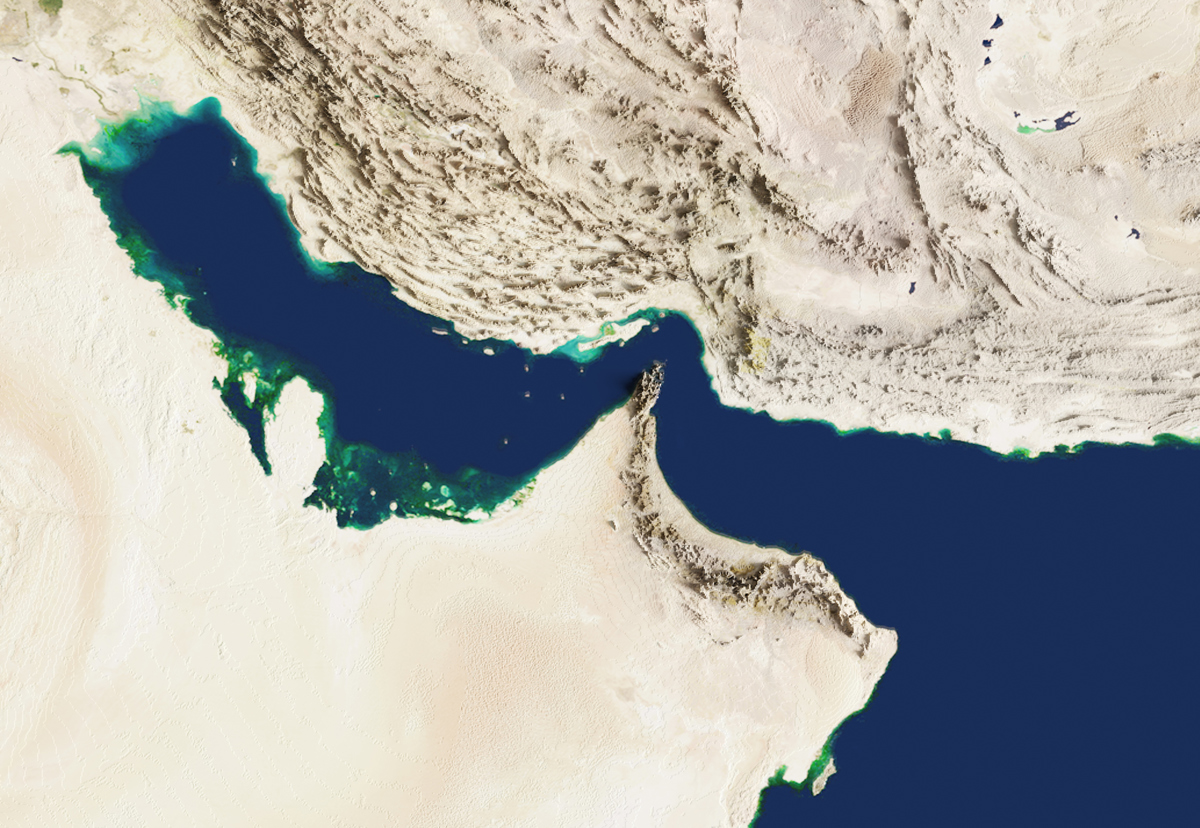 IMAGE: Strait of Hormuz. Getty Images
Crude oil prices have continued to trade higher after US President Donald Trump dismissed a peace deal proposed by Tehran last week, Axios reported.
Iranian mediators arrived at the United Nations General Assembly (UNGA) in New York last week with a proposal for a seven-day truce plan tied to the reopening of the Strait of Hormuz.
“They want to make a deal, but it is not the deal that I want to make,” Axios reported citing Trump. “It is what we would have maybe agreed to a year ago,” Trump said.
Negotiators are pursuing Iran for concessions on its nuclear program to resume ceasefire talks with Washington, in a bid to prevent the conflict from escalating into a massive conflict, as Trump rejected Tehran’s peace proposal, the Wall Street Journal reported.
In his speech at the UNGA summit last week, Trump said he was weighing whether “to annihilate” Tehran’s government completely, to keep it from procuring a nuclear weapon.
Even so, Trump indicated that diplomatic channels remain open, telling Axios that he expects talks to resume next week.
So far, the US Central Command (CENTCOM) has redirected 122 commercial vessels, disabled more than three, and boarded two to prevent ships from entering or departing Iranian ports, it said.
Meanwhile, 80 countries have signed a joint statement, calling for an immediate reopening of the Strait of Hormuz to commercial vessel navigation.
As of Saturday, 21 vessels attempted to transit the strait – 18 inbound, eight outbound, market intelligence provider Windward reported. Of this, nine vessels moved in dark mode, the data also showed.
“A 50% dark rate, with both outbound transits dark indicates vessels leaving the Gulf remain the most reluctant to broadcast, while inbound traffic stays largely AIS-visible,” Windward reported.
Although Saturday's transit volume was higher than the 11 crossings noted on Friday, vessel traffic remains well below the pre-war average of 140 daily transits.
“We call for the full restoration of free transit in accordance with navigational rights and freedoms, without delay,” Abdullatif bin Rashid Al-Zayani, Bahrain’s minister of foreign affairs said in a statement said.
By Aparupa Mazumder
Please get in touch with comments or additional info to news@engine.online