One-tenth of shipping emissions occur in port – UCL study
A new research conducted by the University College London (UCL) has mapped where global shipping's greenhouse gas emissions occur, splitting each voyage into time spent in port and time spent at sea.
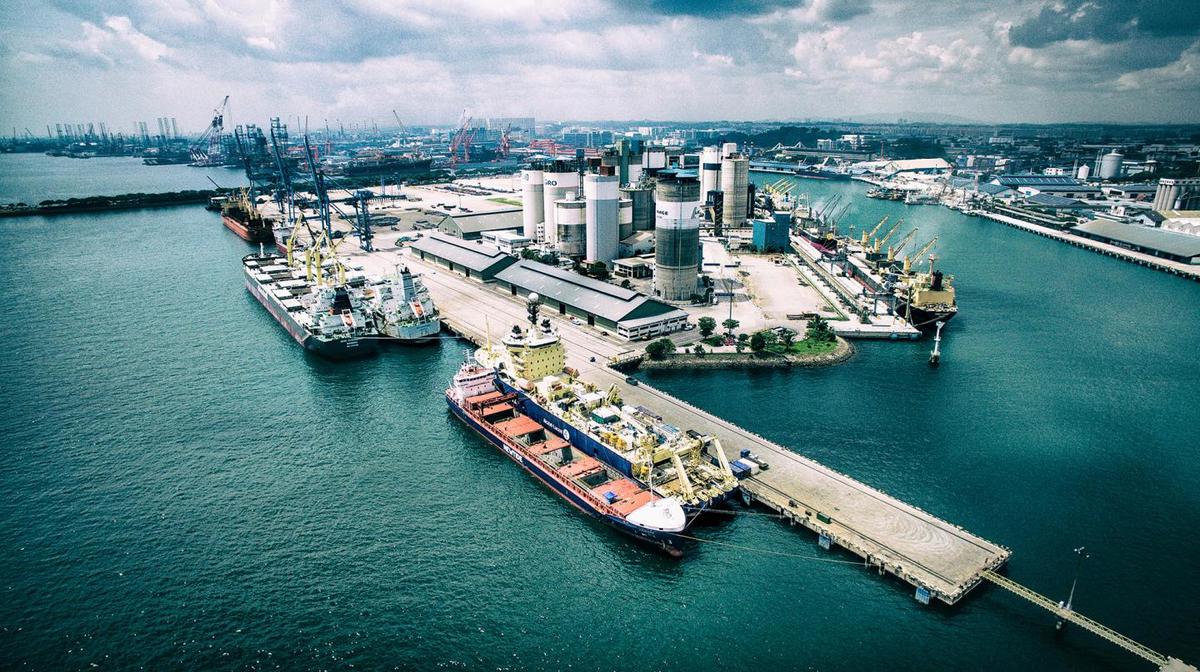
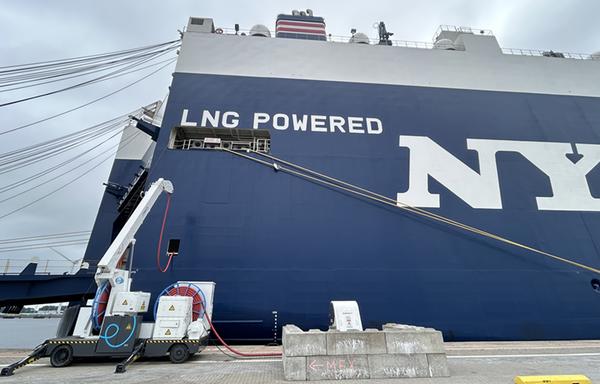 IMAGE: NYK-operated PCTC receiving electricity directly from the shore power facility in the port of Zeebrugge. NYK Line
UCL researchers have built an interactive tracker, mapping 1.2 million voyages that show island nations carry outsized port emissions.
The tracker draws on a year of data covering voyages by more than 43,000 vessels, UCL said. The research found that around 10% of global maritime emissions occur within port areas, the university added.
“The tool offers IMO delegations visibility on which of 575 million tonnes of CO2e [575 million mt of CO2 equivalent] emissions generated by international shipping can be attributed to their country’s economic activity,” the report noted.
Seven out of the ten Caribbean, and eight out of the ten East Asia Pacific countries with the highest in-port emissions are small island nations, with emissions “often above 20%” relative to global and regional averages, research assistant at the UCL Shipping and Oceans Research Group Yoseph Ismail said.
This share could be reduced through port electrification measures such as cold ironing at berth, switching to battery power while idling or manoeuvring in port, and converting short-sea vessels to battery-electric propulsion, UCL said.
Shore-to-ship power or “cold ironing” is an electrical power supply provided to ships when they are docked at ports.
Instead of running the engines onboard to power essential systems while docked at ports, shore power facilities allow ships to connect to the local electrical grid.
The research comes on the heels of the International Maritime Organization’s (IMO) upcoming Net-Zero Framework (NZF) talks scheduled next week.
Future updates to the tracker, due in September, will provide statistics on state-level seaborne trade volumes and estimates of the economic impact of proposed amendments to the IMO NZF framework, ahead of a potential adoption later this year.
By Aparupa Mazumder
Please get in touch with comments or additional info to news@engine.online