Americas Market Update 2 Mar
Fuel prices have tracked Brent’s upward movement, and Houston pilot operations have resumed after a weekend suspension.
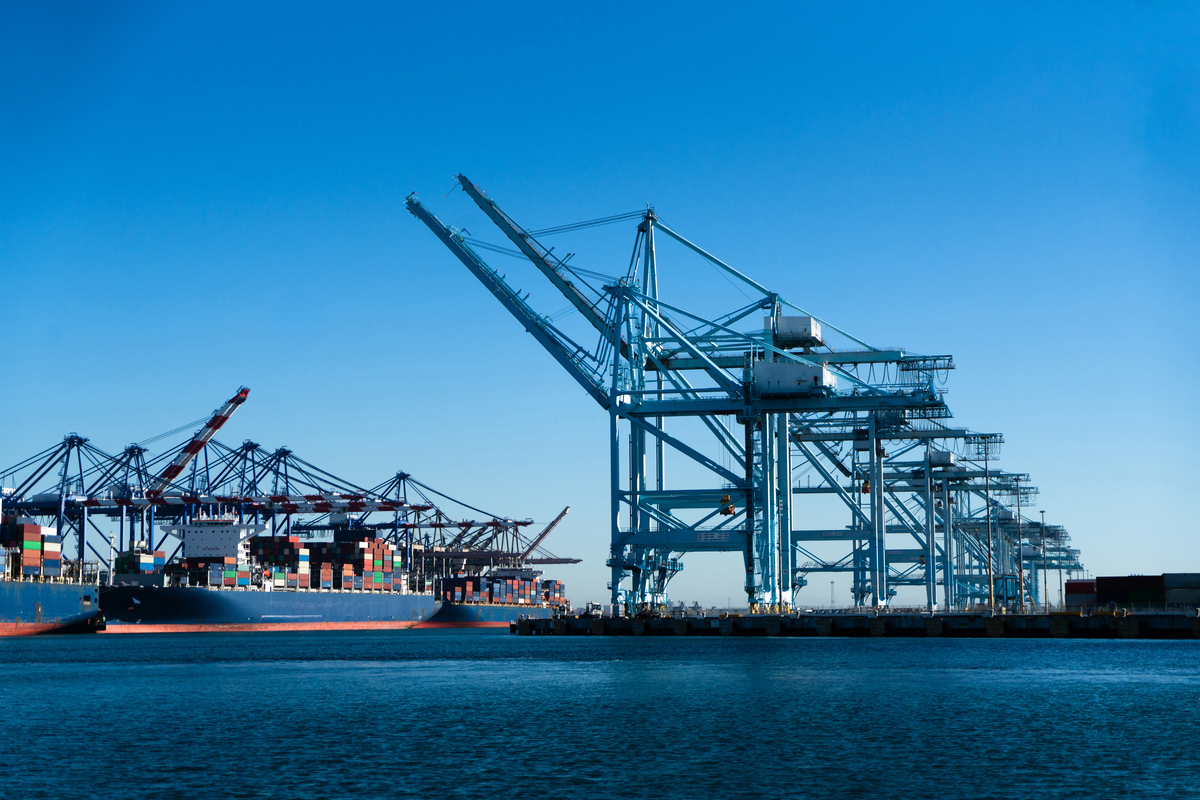
 IMAGE: Vessel docked in the Port of Houston in the US. Port of Houston.
Changes on the day from Friday to 07.00 CST (13.00 GMT) today:
- VLSFO prices up in Los Angeles ($64/mt), Balboa ($62/mt), New York ($50/mt), Zona Comun ($40/mt) and Houston ($35/mt)
- LSMGO prices up in Balboa, New York ($79/mt), Los Angeles, Zona Comun ($76/mt) and Houston ($60/mt)
- HSFO prices up in Balboa ($55/mt), Los Angeles ($48/mt), New York ($42/mt) and Houston ($39/mt)
Fuel prices have recorded sharp gains across all ports in the Americas in the past session, with LSMGO prices at Balboa and New York having posted the highest increases among all ports and fuel grades.
Balboa’s Hi5 spread has widened after the port’s VLSFO price has risen more than its HSFO price.
In Panama, bunker fuel demand has picked up, with traders reporting more enquiries. All three conventional grades remain tight for prompt delivery, with lead times ranging between 5–7 days.
Pilot operations in Houston, Galveston and Freeport were suspended over the weekend but have now resumed, as visibility conditions have improved along the US Gulf Coast, a source said.
Bunker demand in Houston has held firm over the week. Suppliers have recommended lead times of 7–10 days for HSFO and VLSFO, while LSMGO can be secured within 5–7 days.
Brent
The front-month ICE Brent contract has increased by $7.76/bbl on the day from Friday, to trade at $78.94/bbl at 7.00 CST (13.00 GMT) today.
Upward pressure:
Brent crude’s price has risen by almost $8/bbl after US and Israeli forces launched a joint military attack on Iran, reportedly killing the Islamic Republic’s Supreme Leader Ayatollah Ali Khamenei.
Iran did not take long before launching a multitude of strikes, targeting US military bases as well as residential areas across several countries in the Middle East.
The move was largely expected by oil market analysts, as representatives from both sides failed to reach a breakthrough in earlier rounds of indirect nuclear talks in Geneva.
“The breakdown of talks leading to an escalation of the conflict has the biggest implications for the oil market,” ANZ Bank’s senior commodity strategist Daniel Hynes said.
OPEC’s de-facto leader Saudi Arabia's state oil company Aramco halted its Ras Tanura refinery after it was hit by a drone earlier today, Reuters reported.
Meanwhile, Israel has launched fresh air strikes targeting Iran-backed Hezbollah militants in Lebanon – escalating tensions on the third day of cross-border strikes.
All eyes will likely remain on any new developments in the Strait of Hormuz, according to market analysts.
“With the retaliatory action now evolving to attacks on oil tankers in the Strait of Hormuz, the threat on oil supplies has substantially risen,” Hynes added.
Downward pressure:
While there are no significant downward pressures on Brent’s price today, market participants await the next US crude stocks report.
Last week, the US Energy Information Administration (EIA) reported a massive 16 million bbls increase in US crude stocks.
A rise in US crude stocks can indicate slow demand for oil and drag Brent's price lower.
Besides, eight members of the Organization of the Petroleum Exporting Countries and its allies (OPEC+) have collectively agreed to increase oil output by 206,000 b/d in April.
The move could exert downward pressure on Brent, by fueling concerns over a potential supply glut.
By Gautamee Hazarika and Aparupa Mazumder
Please get in touch with comments or additional info to news@engine.online