Americas Market Update 8 Sep
Fuel prices have mostly trended higher, and bunker demand has picked up in Balboa.
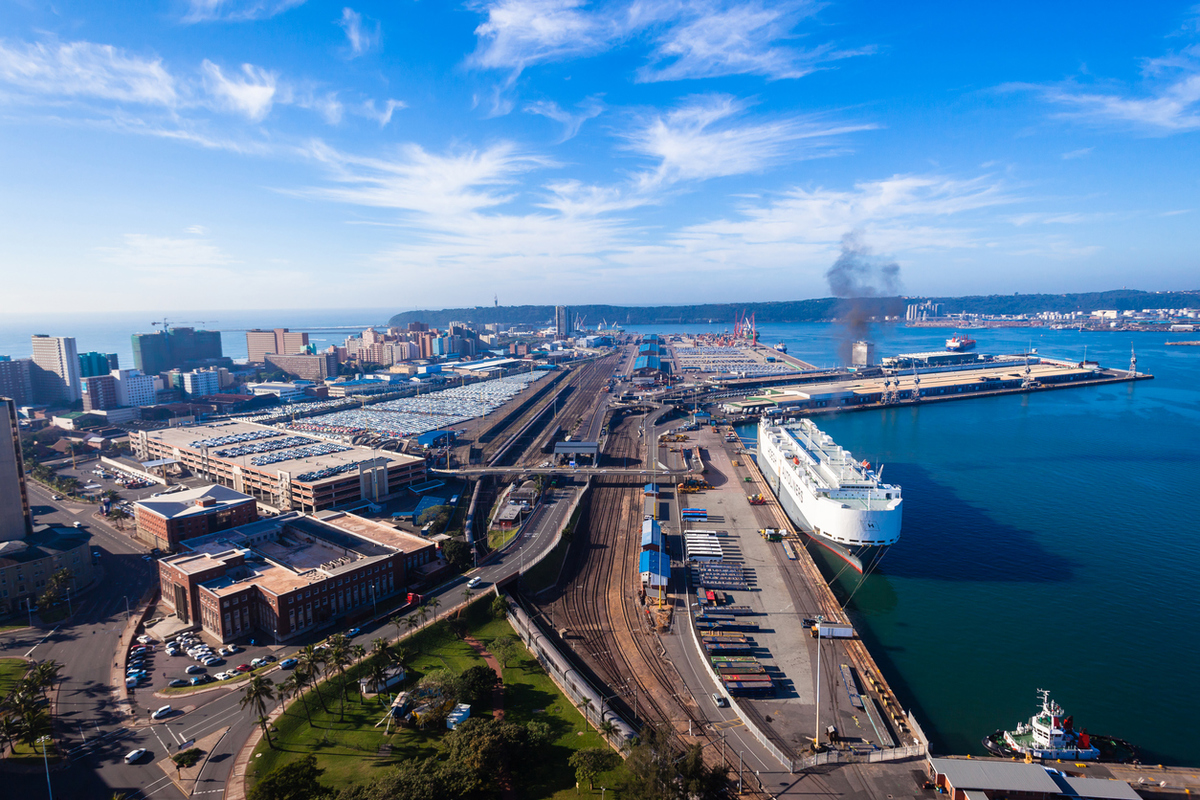
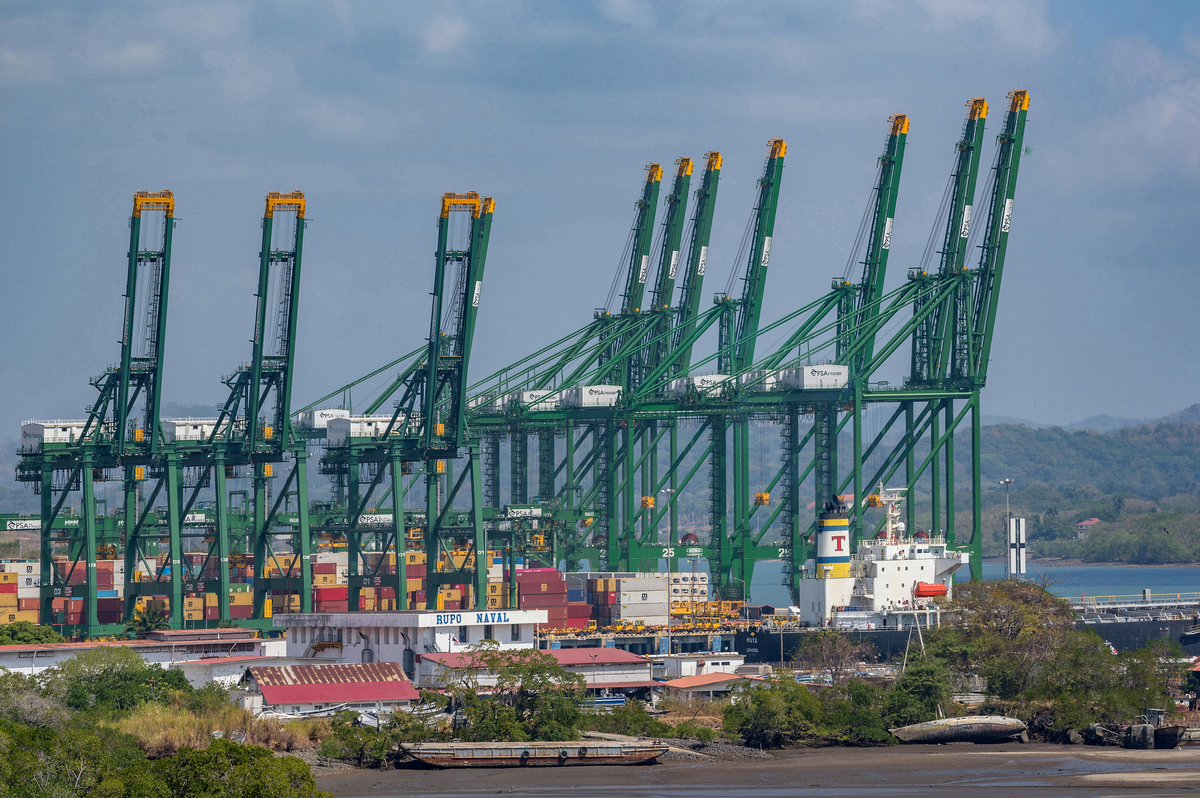 IMAGE: Container loading area in the port of Balboa. Getty Images
Changes on the day to 08.00 CDT (13.00 GMT) today:
- VLSFO prices up in Los Angeles ($17/mt), Balboa ($5/mt), New York ($3/mt) and Houston ($1/mt), and down in Zona Comun ($13/mt)
- LSMGO prices up in Los Angeles ($24/mt), Houston ($5/mt) and New York ($3/mt), and down in Balboa ($3/mt)
- HSFO prices up in Balboa ($24/mt), Los Angeles ($6/mt) and New York ($2/mt), and unchanged in Houston
Balboa's HSFO price has increased more than in other major hubs in the Americas. A higher-priced 500-1,500 mt HSFO stem was fixed at $680/mt.
Meanwhile, the port's LSMGO price has declined over the past day. A lower-priced 50-150 mt LSMGO stem was fixed at $1,470/mt.
Bunker availability for HSFO, VLSFO and LSMGO has been good at Balboa, and demand has been strong so far this week, a trader told ENGINE.
Suppliers are recommending lead times of 3-5 days for all three fuel grades.
Off Trinidad, bunker operations could face disruptions and barge delays between 8-11 September due to high sea conditions, a source said.
Brent
The front-month ICE Brent contract has gained by $0.24/bbl on the day, trading at $97.72/bbl at 08.00 CDT (13.00 GMT) today.
Upward pressure:
Brent crude is trading close to triple-digit territory after Iran said it would have complete control over the Strait of Hormuz, Bloomberg reported.
Tehran is preparing a final agreement with Oman to establish a new shipping corridor through the strait and retain complete control over it.
“The recent escalation of the Middle East conflict has increased the likelihood of a prolonged standoff, punctuated by calibrated military action by the US and Iran,” ANZ Bank’s senior commodity strategist Daniel Hynes said.
Meanwhile, Washington has rejected Tehran's assertion of authority over the Strait of Hormuz, maintaining that the vital waterway remains a transit corridor under international law.
The latest escalation “could see Persian Gulf supply remain constrained through the rest of 2026. We don’t expect a full return to pre-war throughput until late Q1 [first quarter] or early Q2 [second quarter of] 2027,” Hynes added.
Downward pressure:
While there is no major downward pressure on Brent’s price today, market analysts will continue to monitor volumes of oil flowing through the Strait of Hormuz.
Last week, US secretary of energy Chris Wright said 17 million bbls of crude passed through the waterway on 31 August, the highest in recent months, Reuters reported.
“If Strait of Hormuz flows continue uninterrupted despite the latest escalation, the upward pressure on prices may begin to fade,” two analysts from ING Bank noted.
By Gautamee Hazarika and Aparupa Mazumder
Please get in touch with comments or additional info to news@engine.online