Oil rallies as Iranian oil tanker founders
Brent crude is trading close to the $100/bbl mark after US forces claimed to have sunk an Iranian oil tanker in the Gulf of Oman.
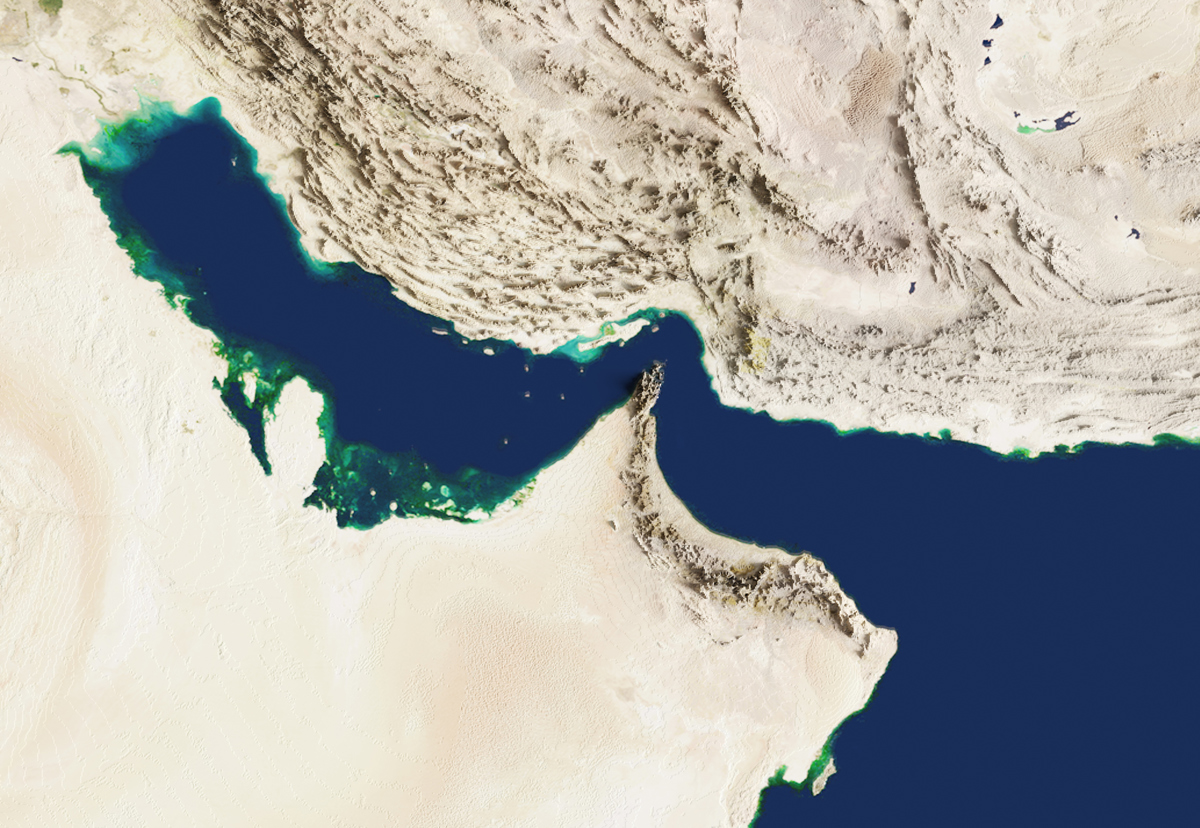 IMAGE: Getty Images
The US Central Command (CENTCOM) struck three Iran-linked crude oil tankers in the Persian Gulf over the weekend, disabling all three and sinking one, it said on social media platform X.
The vessel, M/T Kylo, sank in the Gulf of Oman on Sunday “and joined Iran’s navy at the bottom of the sea,” CENTCOM claimed, sharing a video footage of the sinking vessel.
“Reports indicate the vessels were subject to disabling fire as part of ongoing military activity in the region,” the United Kingdom Maritime Trade Operations (UKMTO) agency reported earlier.
As of Tuesday, US forces have redirected 94 commercial vessels, disabled three, and boarded two to prevent ships from entering or departing Iranian ports, CENTCOM said.
Iran’s parliamentary speaker Mohammad Bagher Ghalibaf retaliated against Washington’s latest actions, stating, “Strike our assets and you get struck. We’ve already proven it.”
Iran’s big Hormuz claim
Tehran is allegedly preparing a final agreement with Oman to establish a new shipping zone through the Strait of Hormuz under its complete control, Bloomberg reported.
As a protocol, all commercial vessels will be required to coordinate with Iranian officials to enter the restricted corridor in the Strait of Hormuz, which once handled about one-fifth of global crude flows, the report added.
Iran’s Supreme National Security Council’s secretary Mohsen Rezaei said the shipping corridor will extend from the US naval blockade line through the strait and into the Persian Gulf, Reuters reported.
Tehran has warned that any vessel transiting the region without its approval will be blacklisted. Meanwhile, the International Maritime Organization (IMO) has yet to issue an official response.
Washington has categorically rejected Tehran's assertion of authority over the Strait of Hormuz, maintaining that the vital waterway remains a transit corridor under international law.
Meanwhile, vessel movement via the critical oil chokepoint remains well below pre-war levels, with only 12 transits recorded as of Sunday, market intelligence reported Windward said.
Iran and Oman have spent weeks negotiating a temporary maritime corridor. While earlier proposals split traffic management responsibilities between both nations, the latest framework places operational control under Iran in coordination with Oman.
Saudi Arabia dragged into the crossfire again
Saudi Arabia’s state-owned oil company Aramco’s 400,000 b/d refinery in Jizan came under renewed attack yesterday, the Financial Times reported.
A similar attack on the refinery last month temporarily halted operations, jeopardising the vital refining hub just as Saudi Arabia is diverting crude westward to bypass the Strait of Hormuz.
Notably, the ongoing blockade by Yemen’s Iran-aligned Houthis on Saudi Arabian crude exports and airstrikes on critical oil infrastructure in Jizan and Yanbu ports have severely disrupted international shipping, compounding global supply fears.
Brent crude’s price could surge to as high as $120/bbl, if attacks on commercial shipping in the Middle East continues to escalate, Goldman Sachs’ co-head of global commodities research Daan Struyven said in an interview with Bloomberg TV.
“Events over the last few days do suggest that the risk of shipping disruptions broadening and intensifying is an important one,” Struyven said.
By Aparupa Mazumder
Please get in touch with comments or additional info to news@engine.online