Dutch scale-back of emissions targets for bunker suppliers
Netherlands' Ministry of Infrastructure and Water Management has lowered greenhouse gas (GHG) reduction requirements for marine fuel suppliers in the region.
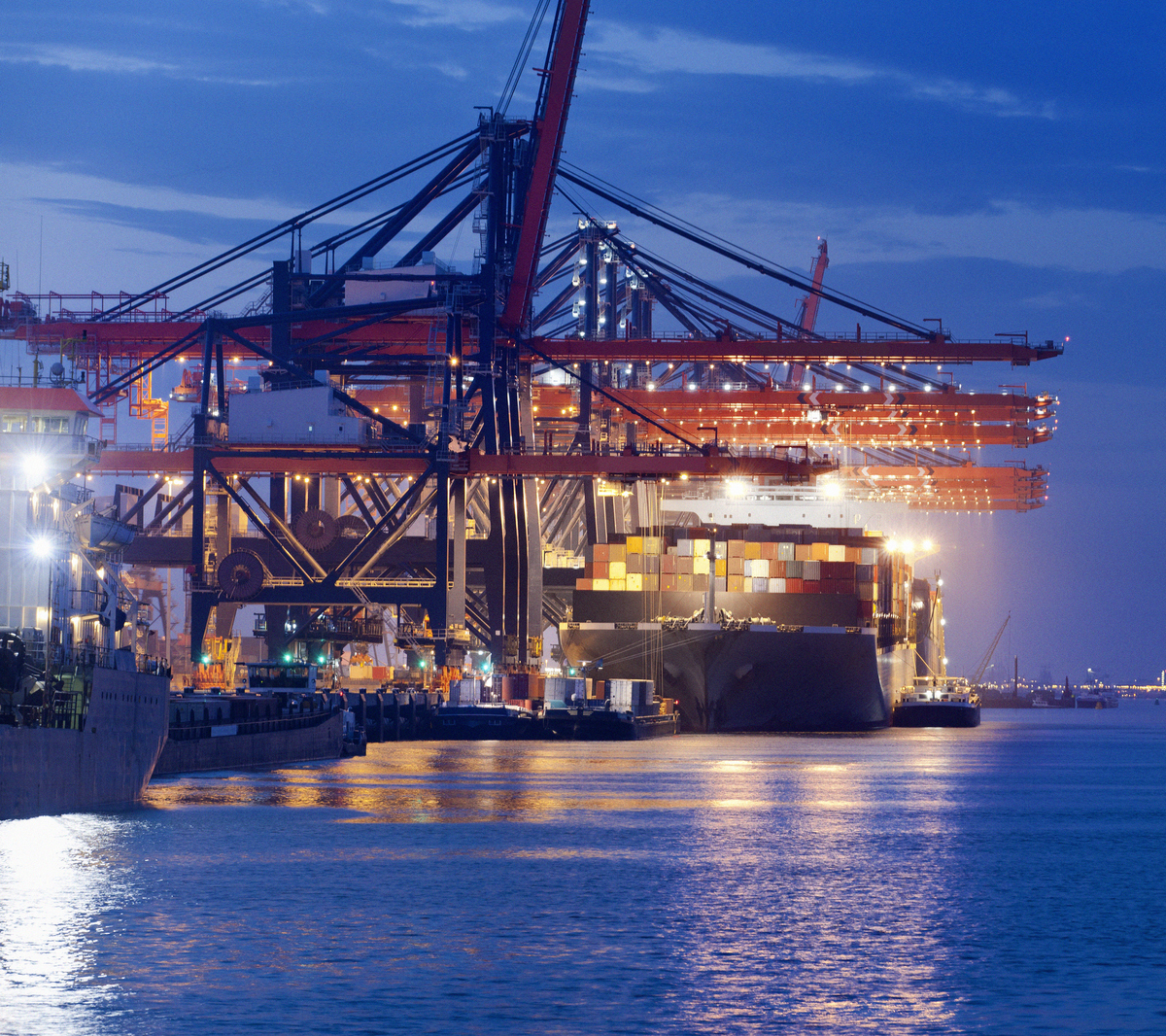 IMAGE: A large container ship moored in a commercial dock at night in Rotterdam, Netherlands. Getty Images
The Dutch government will scale back next year’s renewable-fuel obligations for the shipping sector – a move that will reduce projected GHG savings in 2026 as policymakers attempt to prevent competitive distortion with neighbouring regions.
The Dutch Emissions Authority has mandated reduction in GHG emissions suppliers of marine fuels for inland shipping from 3.8% to 2.5%, lowering expected renewable energy delivery from 2.1 petajoules (PJ) to 1.5 PJ.
“This results in a CO2 [GHG] reduction of 0.15 Mton, [0.15 mt] instead of 0.2 Mton [0.2 mt],” according to the official statement.
The government described the decision as a temporary mitigation step for 2026 to prevent Dutch fuel suppliers from being commercially disadvantaged if neighbouring nations, particularly Belgium, do not introduce comparable obligations on the same timeline.
Bunker suppliers' GHG reduction mandates will be cut from 3.6% to 2.9%, translating to 14 PJ of renewable energy use instead of the originally targeted 18.5 PJ.
“This results in a CO2 reduction of 1.15 Mton, [1.15 mt] instead of 1.5 Mton [1.5 mt]," the ministry said.
The revised Fuel Transition Obligation will take effect on 1 January, following the implementation of the EU's Renewable Energy Directive (RED III), the Dutch authority said.
While the reduction eases immediate compliance pressure, it also means the sector will deliver materially lower GHG reductions next year than planned under the RED III directive, effectively delaying part of the Netherlands’ near-term emissions effort for hard-to-abate transport sectors.
The ministry has said that the mandate levels from 2027 will apply as previously announced.
The RED III directive sets targets to increase the EU's renewable energy use and required bunker suppliers to inland and maritime shipping to reduce GHG emissions by supplying renewable energy.
By Aparupa Mazumder
Please get in touch with comments or additional info to news@engine.online