Europe & Africa Market Update 4 Sept
Bunker prices in European and African ports have dropped, while cruise demand is tightening availability in Piraeus.
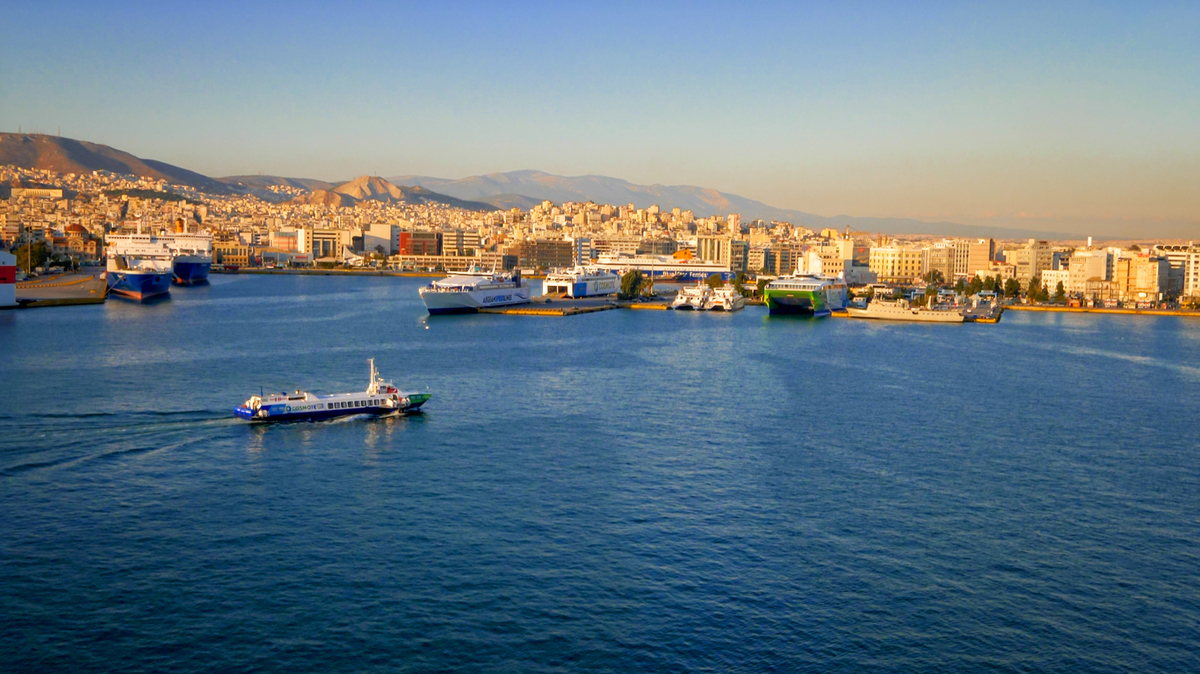 IMAGE: Passenger ships in the Port of Piraeus. Getty Images
Changes on the day to 09.00 GMT today:
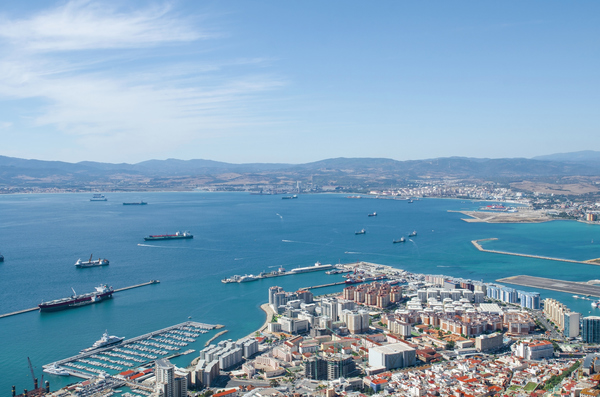
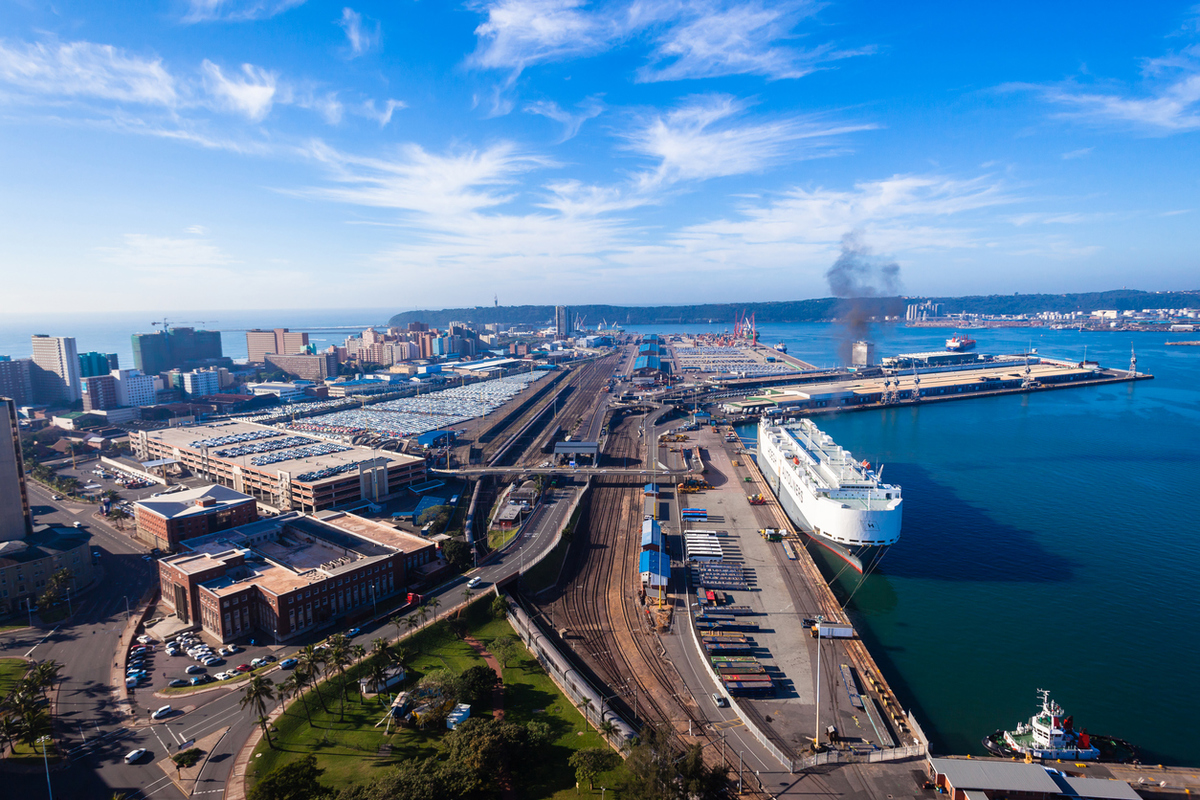
- VLSFO prices down in Durban ($14/mt), Rotterdam ($12/mt) and Gibraltar ($10/mt)
- LSMGO prices down in Durban ($64/mt), Gibraltar ($9/mt) and Rotterdam ($5/mt)
- HSFO prices down in Gibraltar ($12/mt), Rotterdam and Durban ($5/mt)
- B30-VLSFO price is down $2/mt in Rotterdam
Regional bunker prices have declined over the past session, tracking the downward trend in the Brent.
However, Piraeus’ LSMGO price has edged $8/mt higher, possibly supported by a higher-priced 150-500 mt stem, fixed at $1,525/mt.
This has narrowed its LSMGO price discount compared with neighbouring offshore anchorage Malta to $52/mt, by reducing $40/mt in a single day.
Piraeus’ VLSFO price has declined by $20/mt in the past session, compared to a $3/mt dip in the port’s HSFO price. Consequently, the port's Hi5 spread has narrowed $17/m, to $205/mt.
Piraeus’ Hi5 spread is one of the widest among regional ports, mostly because of its high VLSFO price. Bunkering VLSFO in the Greek port offers a sharp $108/mt price premium over Malta’s VLSFO price, while its HSFO price is $10/mt higher than Malta.
Fuel availability at the Greek port is tight for prompt supplies as the summer cruise season is increasing demand in the port, a trader told ENGINE.
HSFO, VLSFO and LSMGO deliveries require a lead time of at least a week, while ULSFO supplies need a five-day notice, the trader added.
Brent
The front-month ICE Brent contract has slumped by $0.80/bbl on the day, to trade at $95.12/bbl at 09.00 GMT.
Upward pressure:
Brent crude’s price is poised to end the week higher than it began, amid escalating hostilities between the US and Iran in the Middle East.
Renewed drone strikes have driven commercial fleets to detour around the Strait of Hormuz, increasing voyage times.
Earlier this week, multiple unmanned aerial vehicles (UAVs) struck two commercial vessels attempting to transit the region – one belonging to Saudi Arabia’s national shipping company Bahri, and another sailing under a South Korean flag.
Riyadh’s Ministry of Foreign Affairs has accused Tehran of the attack on oil tanker Sidr, which killed two sailors.
“Oil prices remain elevated, with ICE Brent holding above $95/bbl, amid a pickup in hostilities between the US and Iran this week,” two analysts from ING Bank noted.
Downward pressure:
Crude oil exports from Iraq have increased to about 2.34 million b/d in August, from 1.35 million bp/d in July, Reuters reported, citing two Iraqi energy officials. The news has put some downward pressure on Brent.
Brent crude’s price rally “may lose traction if Hormuz shipments keep moving smoothly,” ING Bank’s analysts said.
Any uptick in the number of vessels transiting the Strait of Hormuz is expected to slash oil prices, according to market analysts.
“If Strait of Hormuz flows continue uninterrupted despite the latest escalation, the upward pressure on prices may begin to fade,” ING Bank’s analysts said.
By Nachiket Tekawade and Aparupa Mazumder
Please get in touch with comments or additional info to news@engine.online