Europe & Africa Market Update 9 Apr
Bunker benchmarks in European and African ports have recorded gains, while fuel availability is stable in Piraeus.
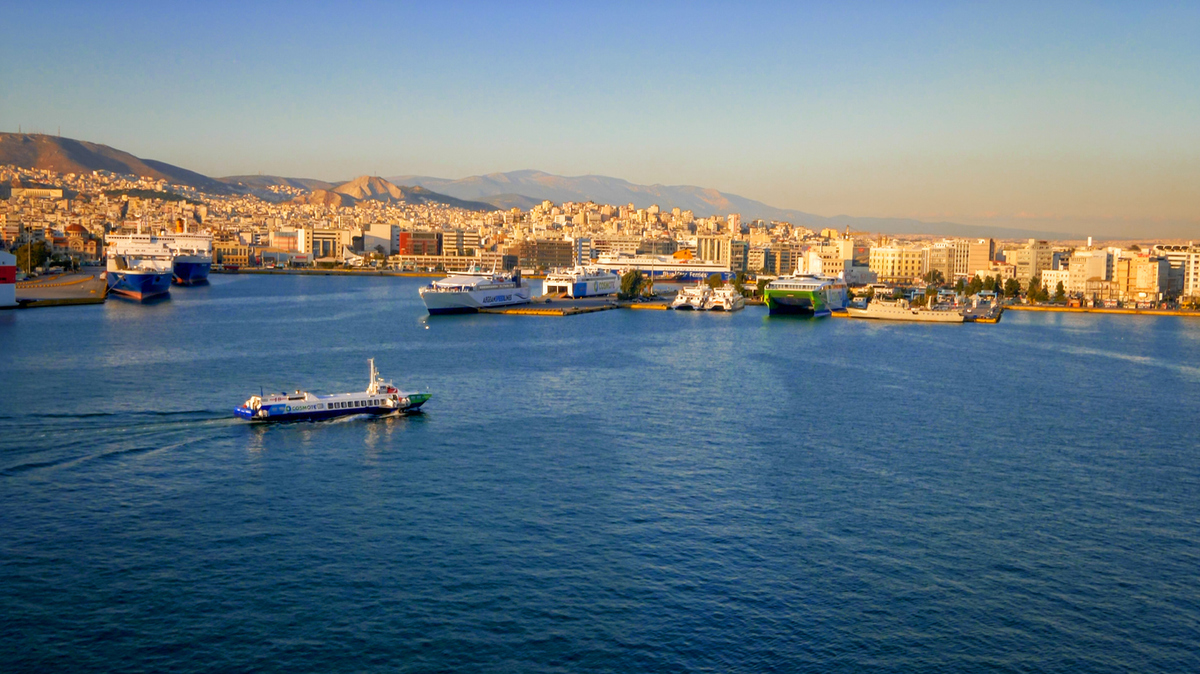 IMAGE: Passenger ships in the Port of Piraeus. Getty Images
Changes on the day to 09.00 GMT today:
- VLSFO prices up in Durban ($180/mt), Gibraltar ($69/mt) and Rotterdam ($40/mt)
- LSMGO prices up in Durban ($66/mt), Gibraltar ($65/mt) and Rotterdam ($57/mt)
- HSFO prices up in Durban ($137/mt), Gibraltar ($90/mt) and Rotterdam ($51/mt)
- B30-VLSFO price up in Rotterdam ($86/mt)
Benchmark prices have moved higher over the past day, tracking the gain in Brent's price.
The VLSFO price in Greece’s Piraeus has increased much more than its HSFO price.
Consequently, the port’s Hi5 spread has widened by almost $73/mt in a single day, considerably increasing the economic benefit for scrubber-fitted ships to bunker HSFO in the port.
The Greek port’s LSMGO price has gained almost twice as much as the LSMGO price in Gibraltar and off Malta. This has flipped Piraeus’ LSMGO price to trade at significant premiums over Gibraltar and off Malta, compared to discounts observed yesterday.
Fuel availability is stable in the port, but buyers are advised to enquire around a week in advance to get competitive offers from suppliers, a trader said.
Brent
The front-month ICE Brent contract has gained by $3.74/bbl on the day, to trade at $98.15/bbl at 09.00 GMT.
Upward pressure:
Brent crude prices have rebounded after Iran once again closed the Strait of Hormuz in response to Israeli strikes on Lebanon, raising fresh doubts over the already fragile two-week Middle East ceasefire.
Israel launched its heaviest bombardment of Lebanon so far on Wednesday, causing hundreds of deaths and triggering threats of retaliation from Iran, Reuters reported.
According to Iran’s parliamentary speaker Mohammad Bagher Ghalibaf in a post on X, Israel’s continued attacks on Lebanon are among three components of Iran’s 10-point ceasefire proposal that have been violated.
“Prices rebounded as fighting in the Middle East continued, and the ceasefire outlook deteriorated, keeping uncertainty around the Strait of Hormuz firmly in focus. Optimism over the ceasefire faded after Tehran said several terms of the agreement had been breached,” two analysts from ING Bank said.
“Oil tanker traffic through the Strait of Hormuz has been halted, heightening supply risks,” they added.
Tensions across the region have not eased despite the ceasefire. Iran has reportedly carried out strikes in neighbouring countries, including targeting a pipeline in Saudi Arabia that serves as an alternative route to bypass the Strait of Hormuz. Kuwait, Bahrain and the UAE have also reported missile and drone attacks by Iran, according to Reuters.
Meanwhile, US President Donald Trump stated that American military assets would remain deployed around Iran and warned that Washington would resume “shooting” if Tehran does not fully adhere to the agreement.
Within just a day, the ceasefire already appears fragile, with both sides offering conflicting interpretations of its key provisions and the prospects for a durable peace.
“Concerns the ceasefire will fail to hold are likely to see reluctance by oil exporters and ship owners to put their vessels back into the region in the near term,” Daniel Hynes, senior commodity strategist at ANZ Bank, said.
Downward pressure:
Brent crude prices have come under slight downward pressure following the release of the US Energy Information Administration’s (EIA) weekly inventory data.
Commercial US crude oil stocks rose by 3.1 million bbls to reach 464.7 million bbls in the week ending 3 April, according to the EIA.
By Nachiket Tekawade & Tuhin Roy
Please get in touch with comments or additional info to news@engine.online