MEPC 84: US flags ILUC blind spot in IMO's biofuel assessment
The US urges the IMO to rethink how it assesses deforestation risk in crop-based marine biofuels.
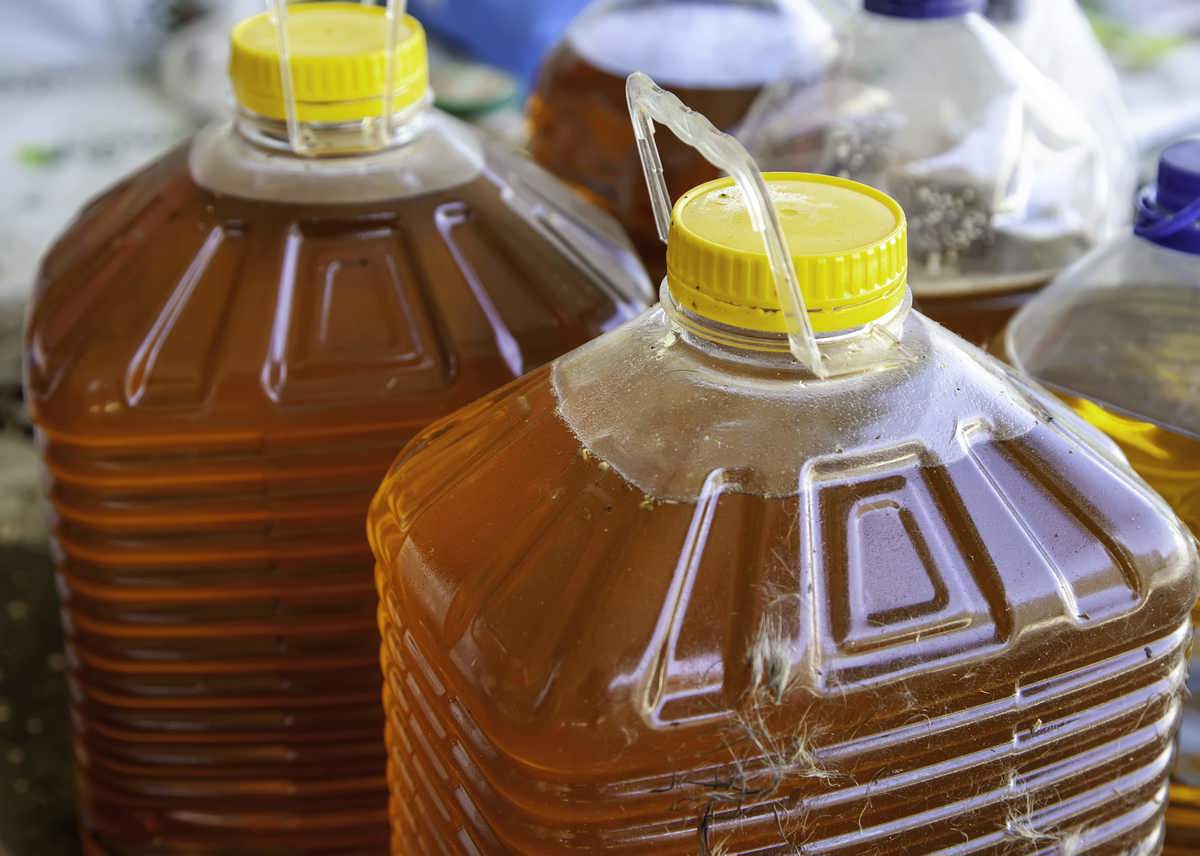 IMAGE: Waste-based biofuel. Getty Images
The US has proposed a region-based approach to the IMO's indirect land-use change (ILUC) risk assessment. It has submitted this proposal to the IMO's Intersessional Working Group on Reduction of GHG Emissions from Ships (ISWG-GHG 21) ahead of the group’s meeting next week.
ILUC refers to the forest or grassland clearing that occurs elsewhere when farmland is repurposed to grow biofuel crops.
The US argues the IMO’s 2024 Guidelines on lifecycle GHG intensity of marine fuels (2024 LCA Guidelines) contain a fundamental flaw in how they assess ILUC risk in crop-based biofuels.
The current guidelines assess ILUC risk only within the boundaries of a biofuel project.
This approach misses the mark because “ILUC emissions, by definition, occur outside of the project boundary.” Emissions beyond that boundary are currently not counted towards the fuel’s lifecycle assessment, raising questions over whether the biofuel can genuinely qualify as sustainable, the submission notes.
The US argues this method risks classifying feedstocks from high-deforestation regions as low-ILUC risk, while the same feedstocks produced in regions with lower deforestation rates could be classified as high-ILUC risk.
For instance, a biofuel producer may show no deforestation within its own project boundary and meet the ILUC risk criteria set out in the guidelines. But increased demand for biofuel feedstock can raise land prices in surrounding areas and incentivise neighbouring farmers to clear forests and expand production, the submission explains.
The submission also highlights an inconsistency in how the guidelines treat multicropping – the practice of growing more than one crop on the same land in a single year.
“Further, in the instance of multicropping, classifying some feedstocks on a farm as low-ILUC risk while other feedstocks on the same farm are classified as high-ILUC risk ignores the issue that farms are jointly co-producing two feedstocks.”
The submission cites corn and soybean multicropping and refers to scientific evidence linking Brazil’s sugarcane industry to deforestation in the Amazon and Pantanal. It also points to parts of Southeast Asia where biofuel demand has historically driven land-use change beyond project boundaries.
As an alternative, feedstocks sourced from areas with high deforestation rates would be classified as high risk under the US proposal, regardless of conditions within the project boundary.
The US also recommends that the IMO avoid project-level risk criteria, warning that these could incentivise land conversion near carbon-rich forests to meet growing marine fuel demand.
ISWG-GHG 21 will meet in London next week to discuss the submissions before reporting to the Marine Environment Protection Committee’s 84th session (MEPC 84) in two weeks.
By Konica Bhatt
Please get in touch with comments or additional info to news@engine.online