Oil market rattled as Iran denies talks with US
Brent crude’s price rebounded, revering some of the previous losses, after Iran denied claims that it had begun negotiations with the US.
 IMAGE: Getty Images
The recovery in oil prices come after a sharp sell-off yesterday – when Brent crude briefly slipped below $100/bbl – after US President Donald Trump claimed that Washington had “very good and productive” talks with Tehran.
Oil market participants initially interpreted Trump’s comments as a sign of de-escalation in the Middle East crisis, as he said the US would delay strikes on Iran’s power plants and energy infrastructure.
Tehran, however, swiftly rejected any suggestion of direct talks with Washington. “No negotiations have been held with the US, and fakenews is used to manipulate the financial and oil markets,” Iranian parliament speaker Mohammad Bagher Ghalibaf said on social media platform X.
Now in its fourth week, the conflict has curtailed oil flows across the Middle East and forced output cuts by major regional producers. The extent of damage to regional energy infrastructure is expected to keep oil prices elevated, according to market analysts.
Iranian ballistic missiles struck Israel overnight, injuring nearly 200 civilians, CBS reported. Meanwhile, Iran reported attacks on energy-related facilities in the country’s Isfahan and Khorramshahr regions, Al Jazeera reported.
At least 40 major energy facilities across the Middle East face severe damages currently, Bloomberg reported citing data from the International Energy Agency (IEA).
Allies move to secure the Strait of Hormuz
The North Atlantic Treaty Organization’s (NATO) secretary general Mark Rutte said in an interview with Fox News that 22 nations are forming a group to join the US in securing commercial vessel movement through the Strait of Hormuz.
The group mostly comprise of NATO nations, but also includes other countries like Japan, South Korea, Australia, New Zealand, the UAE and Bahrain, Rutte said.
The group will “implement his [Trump’s] vision of making sure that the Strait of Hormuz is free, is opening up as soon as possible,” Rutte added.
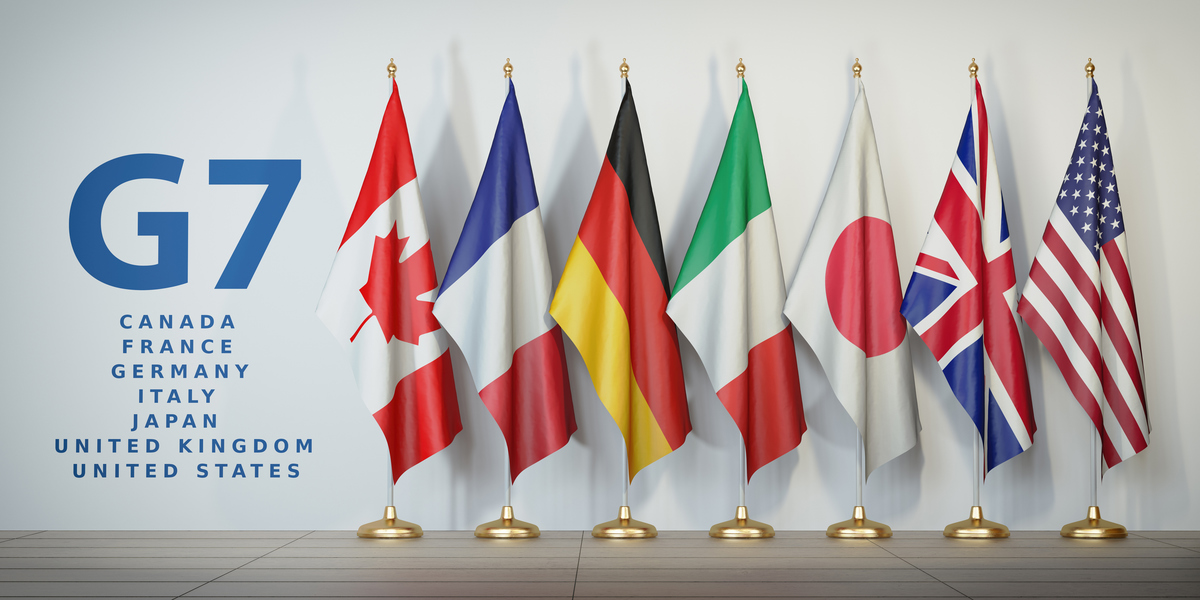
The announcement comes one day after the foreign ministers of the Group of Seven (G7) developed countries, along with the EU's top diplomat, jointly decided to safeguard global energy supplies.
Key NATO members include the US, UK, France and Germany, alongside numerous European nations.
By Aparupa Mazumder
Please get in touch with comments or additional info to news@engine.online