Open letter seeks rejection of Hormuz transit toll
Eight global shipping associations have warned that any compulsory charges for transiting the Strait of Hormuz will raise costs across supply chains.
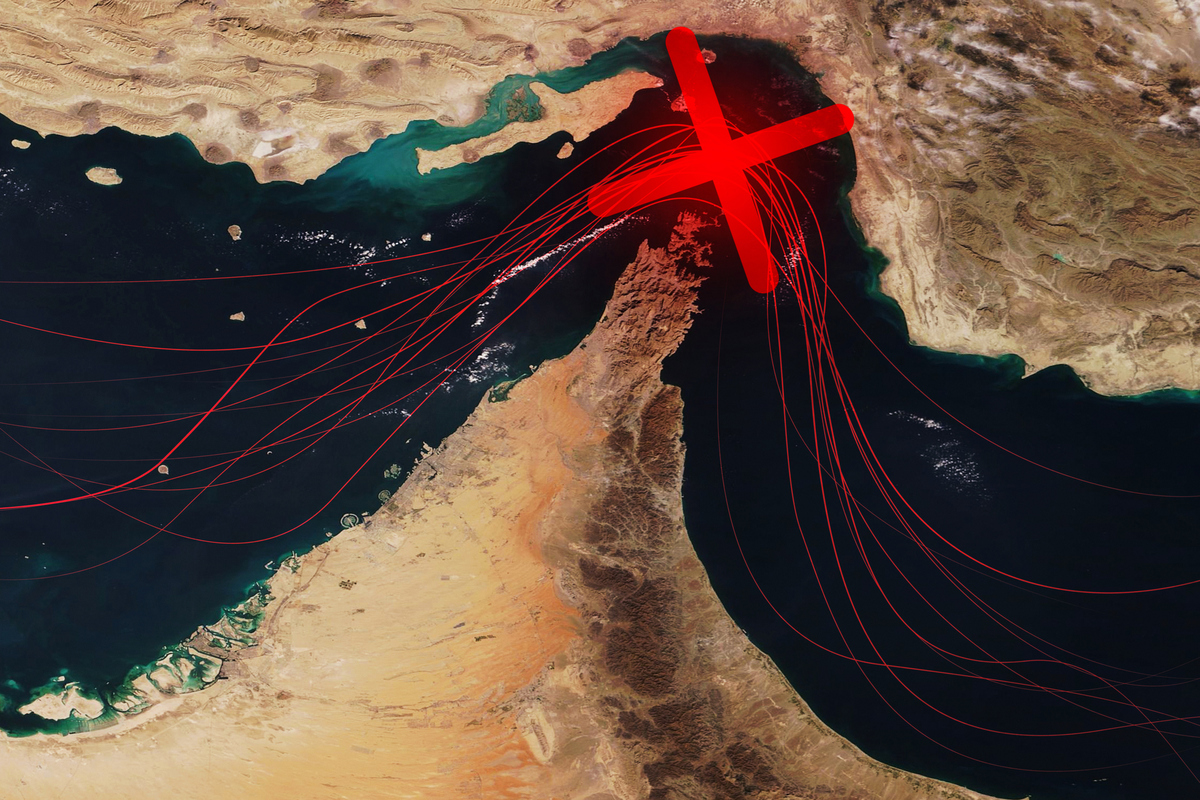 IMAGE: The Strait of Hormuz. Getty Images
Since the outbreak of the US-Israel conflict with Iran on 28 February, Tehran remains unyielding in its push to levy mandatory transit tolls, dismissing widespread global pushback from global shipping organisations.
The open letter, addressed to the United Nations (UN) and the International Maritime Organization (IMO) heads, argues that introducing a compulsory transit toll or a service fee will “represent a significant departure from established international practice”.
The Strait of Hormuz is a critical chokepoint, handling roughly one-fifth of global seaborne oil flows, hence transit costs in the region will feed directly into voyage costs for tankers moving through it, the open letter says.
The extra cost imposed on merchant vessels transiting the strait will inevitably flow through global supply chains, pushing energy prices and inflation higher.
Beyond the immediate economic fallout, such tolls stand a chance to set a dangerous precedent, destabilising the legal structures that regulate transit passage and navigation in international straits.
“Once such a precedent is established, it becomes increasingly difficult to resist similar measures elsewhere, creating uncertainty for international shipping and global commerce,” the open letter states.
Navigation rights should not be treated as a bargaining chip in wider regional security talks, the letter states, noting that seafarers have already faced a heightened risks since the conflict began, including deaths.
“We must ensure that internationally recognised rights of navigation are not compromised or used as part of broader political negotiations,” the letter adds.
Signatories include the Asian Shipowners Association, BIMCO, Cruise Lines International Association, European Shipowners (ECSA), International Chamber of Shipping, INTERCARGO, INTERTANKO and the World Shipping Council.
By Aparupa Mazumder
Please get in touch with comments or additional info to news@engine.online