Shipowners must match fuel choice to trade routes - LR
Shipowners had 385 methanol-capable vessels on order at the start of this year, but only 25 ports actively offered methanol bunkering, classification society Lloyd’s Register (LR) said.
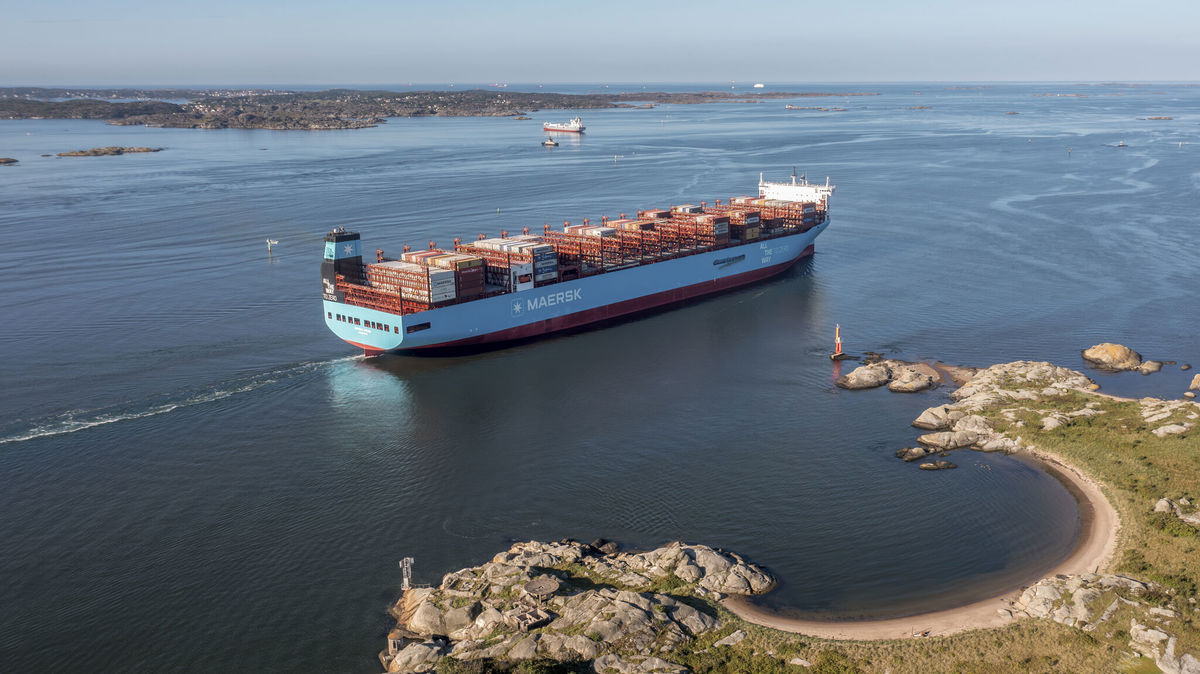 IMAGE: Maersk's methanol-capable container ship Antonia Maersk. Port of Gothenburg
LR’s analysis of Clarksons Research data found 1,942 alternative-fuel-capable vessels on order in January. Clarksons’ own figures put alternative-fuel ships at 47% of global orderbook tonnage.
But the port infrastructure needed to support these vessels is lagging, LR noted. It cited industry data showing 222 ports offered LNG bunkering in January, while only 25 actively offered methanol. Both the orderbook and port figures may have changed since.
Progress also differs sharply by fuel. LNG already has a near-global bunker network, LR said. Methanol is gaining a commercial foothold at a few major ports. Ammonia had reached commercial bunkering only at Ulsan in South Korea as of September, LR said.
Hydrogen is still mostly used on short-sea routes and in trials.
“The fleet is moving faster than the infrastructure needed to support it. An owner can order an alternative-fuel vessel today, but that does not mean the fuel will be available where that ship needs it. Fuel strategy and trading strategy can no longer be considered separately,” LR Ports Advisory senior vice president Kamran Ul Haq said.
Many of the commercial and near-commercial alternative-fuel bunkering milestones LR identified are clustered in northern Europe, north Asia and Singapore, the classification society said.
Biofuel blends are the easiest option to adopt now, as they can largely use existing bunker infrastructure, LR said. Its fuel testing service FOBAS recorded biofuel deliveries at 90 ports over the past 12 months. The top 13 ports took 78% of the volumes it recorded, with Singapore alone taking more than a quarter.
“Ports do not need to back every fuel,” Ul Haq said. “They need to understand where credible demand will emerge and put the safety, regulation, skills and partnerships in place to respond.”
How quickly ports shift from trials to regular supply will depend on safety, regulation and staff skills, LR said.
By Nachiket Tekawade
Please get in touch with comments or additional info to news@engine.online