Singapore and Brazil forge green shipping corridor partnership
Singapore and Brazil have signed an agreement to establish the Singapore-Brazil Green and Digital Shipping Corridor (GDSC), aimed at advancing cooperation on maritime decarbonisation and digitalisation, the Maritime and Port Authority of Singapore (MPA) said.
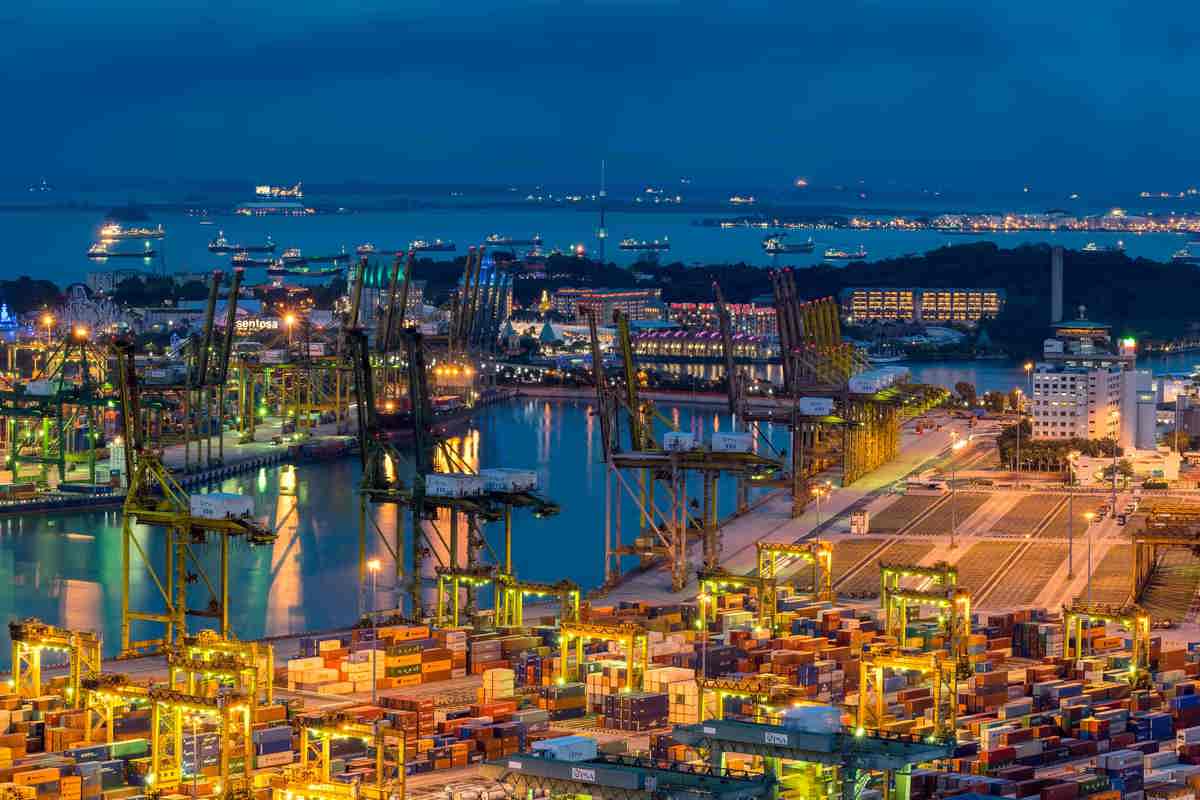
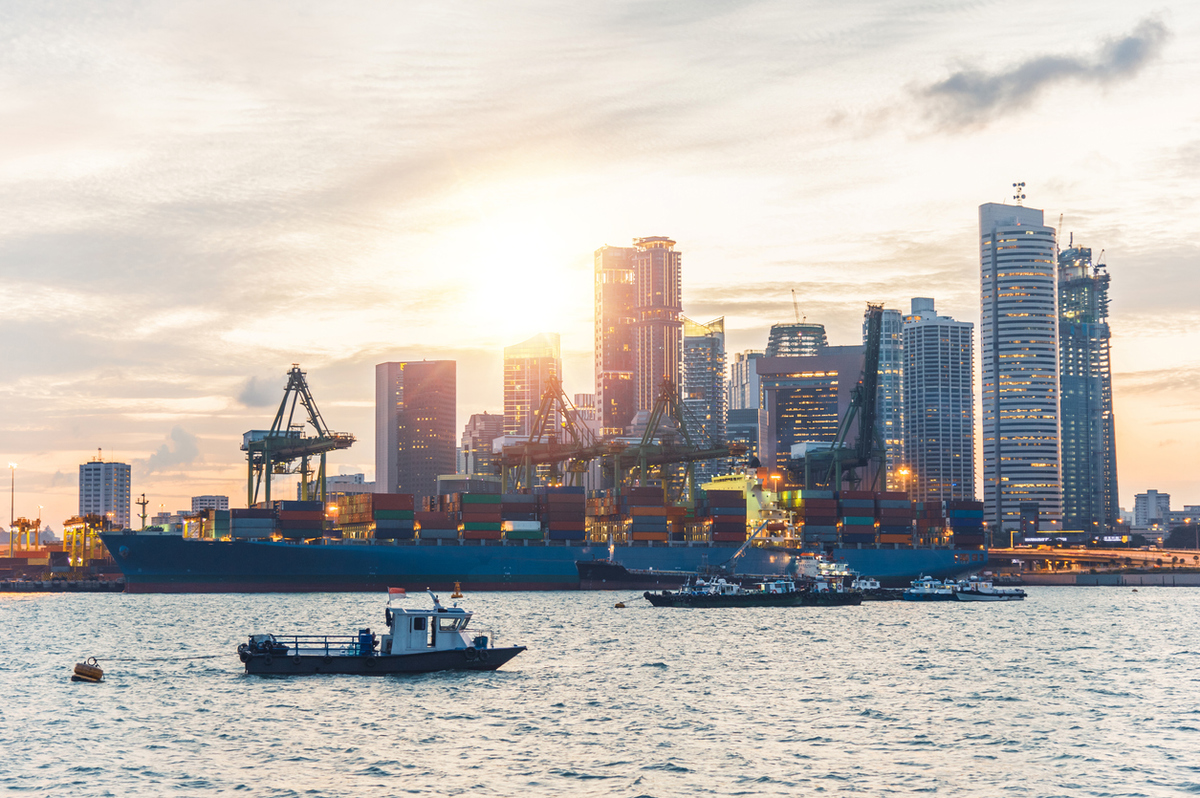 IMAGE: Logistics and transportation of container and cargo ships with a crane in Singapore. Getty Images
The partnership will benefit from the two countries’ complementary strengths. Brazil’s abundant renewable energy resources and production capabilities could support the development of zero- and near-zero-emission marine fuels, while Singapore, the world’s largest bunkering port and a major global maritime hub, offers extensive fuel-supply infrastructure.
The corridor will focus on developing alternative marine fuel supply chains, while Singapore and Brazil will also explore digital information exchanges to improve port and maritime operations. Both sides plan to work with industry stakeholders on the research, development and deployment of maritime technologies.
Further details, including the fuels under consideration, potential pilot voyages and the project timeline, have not yet been disclosed.
The latest agreement adds to Singapore’s expanding network of green shipping corridor partnerships. In April, MPA, the Port of Los Angeles (POLA) and the Port of Long Beach (POLB) extended their Singapore-San Pedro Bay green shipping corridor partnership by another three years.
Singapore and India signed an agreement in September 2025 to work towards establishing the Singapore-India GDSC. Meanwhile, Singapore and Rotterdam completed a pilot liquefied biomethane bunkering operation in November 2024 as part of their broader collaboration to develop what is intended to become the world’s longest green shipping corridor by 2027.
Singapore’s green corridor efforts also extend to Australia, with the Australian government and MPA signing an agreement in June 2023 to develop low- and zero-emission marine fuel supply chains along shipping routes between the two countries.
By Tuhin Roy
Please get in touch with comments or additional info to news@engine.online