LNG, biofuels to lead energy transition over next decade: ICS report
LNG and biofuels are projected to dominate the alternative marine fuels market over the next decade, according to a new report by the International Chamber of Shipping (ICS).
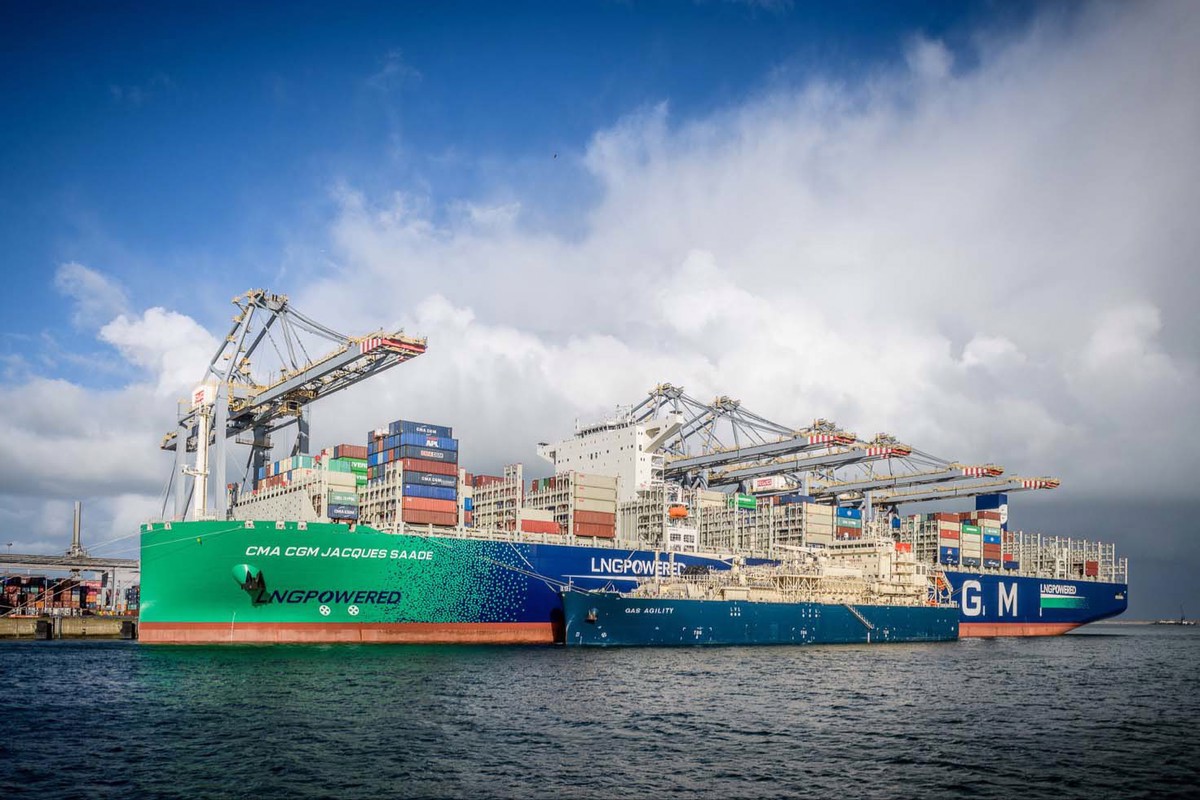 IMAGE: An LNG-fuelled container vessel. CMA CGM
A record number of maritime leaders, including shipowners and managers, participated in the ICS Barometer 2025-2026 report.
Respondents largely agreed that LNG and biofuels will remain the primary choices, followed by heavy fuel oil (HFO) paired with emissions-abatement technology, underscoring a strategic reliance on methods supported by mature supply networks and existing infrastructure.
LNG balancing infrastructure maturity with geopolitical risk
LNG shares the top spot with biofuels, with approximately 51% of survey participants identifying it as a leading viable fuel. The report notes that LNG’s role is defined by its system stability, effectively balancing infrastructure maturity against exposure to price and route volatility.
However, LNG’s long-term viability is increasingly shaped by how geopolitical instability impacts security, routing, and pricing across global trade flows.
Biofuels is the immediate bridge to emissions reduction
Biofuels have seen the sharpest increase in sentiment, matching LNG at 51.35% in this year’s survey. Adoption is accelerating rapidly across key hubs, including Singapore, Rotterdam, Japan, China, and the US.
The growth of biofuels is driven by their compatibility with existing engines and infrastructure, allowing operators to reduce emissions without requiring fleet replacement or costly retrofits.
While biofuels are more readily available than methanol, ammonia, or hydrogen, they lack the same degree of long-term scalability. Their rising prominence suggests a “risk-managed recalibration” – prioritizing solutions that reduce exposure to uncertainty within an increasingly fragmented global energy system, rather than a structural fuel transition.
HFO remains the bedrock of a multi-speed transition
Most respondents acknowledged that the shipping industry is still not ready to abandon fossil fuels. HFO ranks as the third most viable option for the coming decade, as it remains “structurally embedded” through major bunkering hubs like Singapore and Fujairah.
According to the ICS, HFO’s continued presence in the industry reflects the operational reality of a “multi-speed transition,” where the availability of LNG, biofuels, and early-stage synthetic fuels remains uneven across different regions.
Other emerging alternatives
Methanol has slipped to fourth place (29.19%), with its prospects increasingly limited by fragmented green production, global scalability and inconsistent policy support.
Nuclear-powered propulsion has captured 19.46% of respondent sentiment.
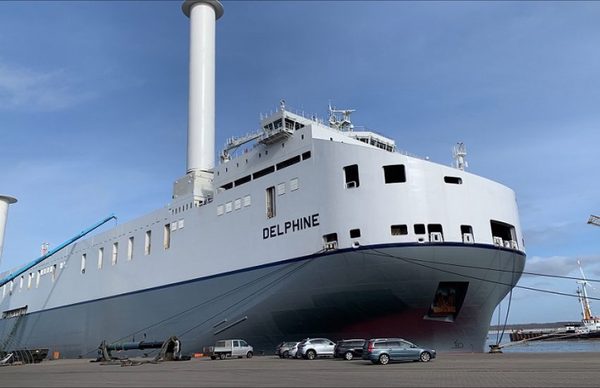
Wind-assisted technology faces growing acceptance due to its compatibility with various fuel types. However, its adoption remains highly route-dependent, showing the most significant potential within Atlantic and Pacific corridors.
Ammonia has faced a notable setback, with its perceived viability plummeting from 30.8% last year to just 12.4%. Participants now largely categorize ammonia as a long-horizon solution rather than a near-term pathway for the industry.
By Aparupa Mazumder
Please get in touch with comments or additional info to news@engine.online