Nordic firms launch pool-in-pool model for FuelEU compliance
Bunker supplier ScanOcean and Finnish pool maker Ahti have created a “pool-in-pool” structure to deliver compliance surpluses to third-party vessels under FuelEU Maritime’s pooling mechanism.
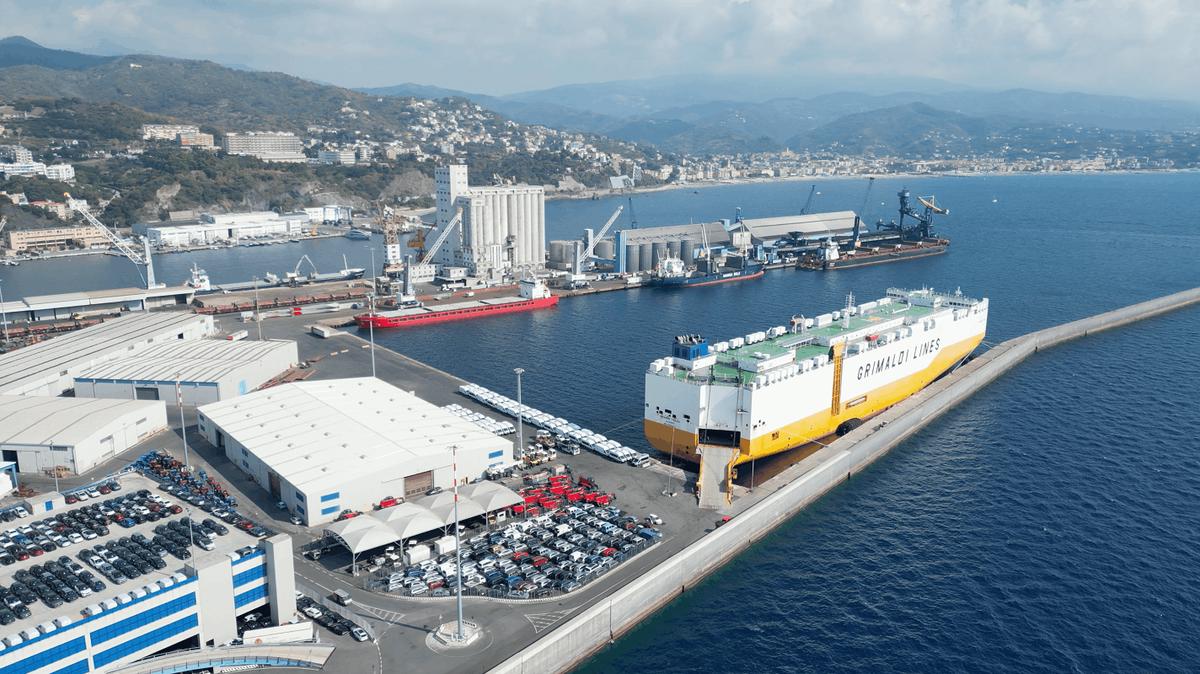
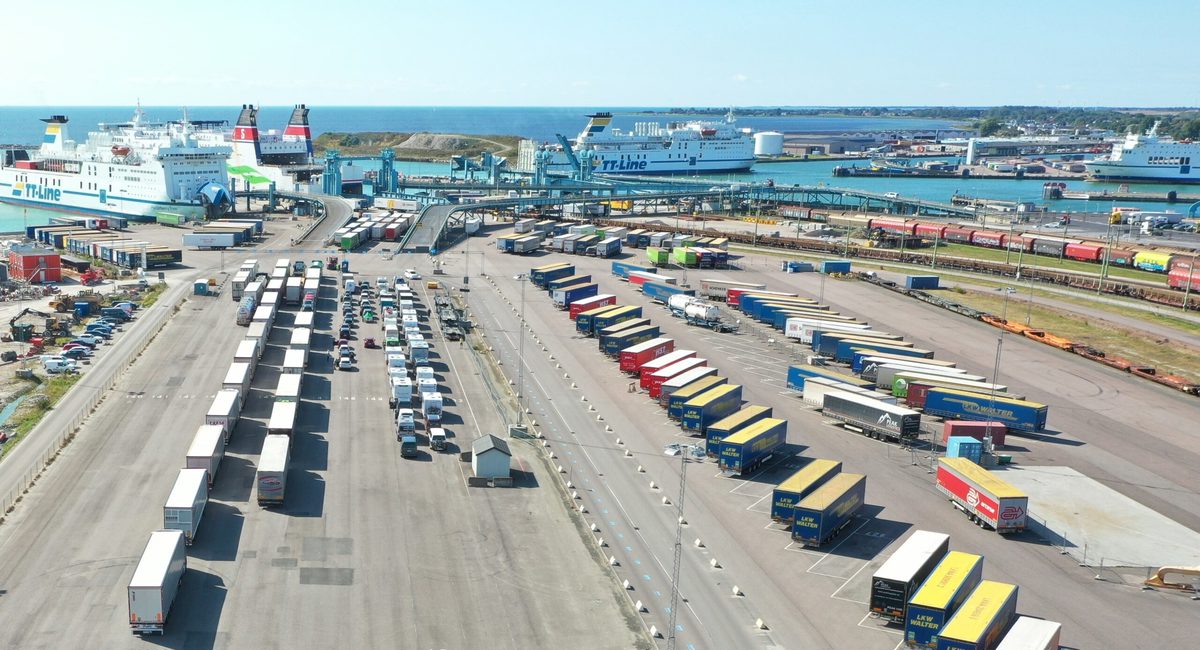 IMAGE: The Port of Trelleborg in Sweden. Port of Trelleborg
The EU’s FuelEU Maritime regulation includes a pooling mechanism that allows shipowners to collectively balance compliance across a group of vessels.
Under this arrangement, ships that are overcompliant towards GHG reduction targets can sell their compliance surpluses to underperforming vessels within the same pool to offset compliance shortfalls and avoid penalties.
ScanOcean and Ahti have now created a “pool-in-pool” structure using biofuels. In practice, this can allow ScanOcean’s customers in the Nordic region to generate compliance surpluses by bunkering physical biofuel, and sell these surpluses to vessels participating in Ahti’s pool.
Ahti reported around 250 vessels in its FuelEU pool in January this year. It later added three dual-fuel LNG vessels operated by Finnish carrier Bore and 19 conventionally fuelled tankers owned by Norway’s Stenersen in July. This brings the pool size to over 270 vessels.
Pooling gains traction
While some bunker suppliers such as Gasum and FincoEnergies run their own pools, others including Neste and ScanOcean have opted for external platforms like Ahti.
Third-party platforms are being used because FuelEU Maritime is complex and the pooling market is still immature with opaque pricing, according to the Mærsk Mc-Kinney Møller Center for Zero Carbon Shipping (MMMCZCS).
For instance, OceanScore shows FuelEU compliance surplus prices ranging between €190–230/mtCO2e ($222-269/mtCO2e), with its own pool price index at €222/mtCO2e ($260/mtCO2e). Gasum says it sells compliance surpluses at €230/mtCO2e.
Such variations suggest that there is no standardised price for FuelEU compliance surpluses. Providers also have different approaches to running their platforms. Some claim margins on individual trades while others charge fixed entry fees, all of which can influence prices.
“Platforms will enable buyers and sellers to find each other and, in many cases, will provide a range of services to support pooling and compliance,” MMMCZCS said. “As the platforms mature, we may see them develop into something closer to a liquid market for buying and selling FuelEU compliance.”
By Konica Bhatt
Please get in touch with comments or additional info to news@engine.online