The Week in Alt Fuels: Shipping heads into 2026
EU ETS changes, ammonia bunkering trials and the direction of the IMO are some of the key watchpoints for 2026.
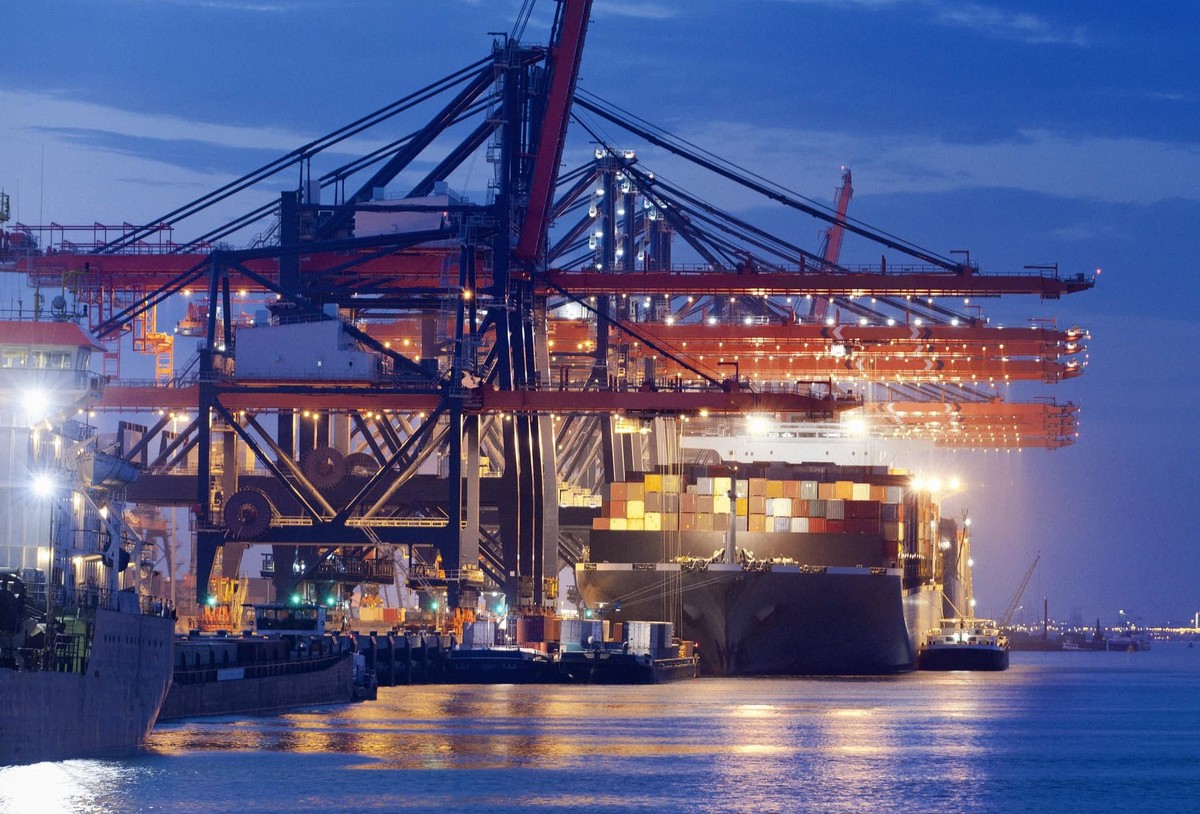 IMAGE: Container ship docked in the Port of Rotterdam, Netherlands. Getty Images
The early days of 2026 have already set some markers for the year.
Shipping companies have had to grapple with higher costs of complying with the EU Emissions Trading System (ETS) from 1 January. Vessels sailing between two EU ports now have to pay for 100% of their emissions, up from 70% in 2025. Half of emissions from voyages between EU and non-EU ports now count, up from 35%. Methane and nitrous oxide emissions are also penalised from this year, in addition to carbon dioxide.
These changes have fed through into tariff surcharges and pushed freight costs for shipments to and from EU and EEA countries higher. Several container liners, such as CMA CGM, Maersk, Hapag-Lloyd and MSC, have increased surcharges on these routes by around 45% as they factor in higher compliance costs.
Several shipping companies have started offering rebates on these surcharges when customers opt for green shipping services by paying a premium.
On the fuel side, higher EU ETS costs have not overturned relative economics.
With the EU ETS fully phased in, the estimated costs of bunkering 0 gCO2e/MJ LBM in Rotterdam and consuming it between two EU ports increased by $9/mt for dual-fuel vessels with diesel slow speed (diesel SS) engines with 0.2% methane slip. For vessels with Otto MS engines with 3.1% methane slip, EU ETS costs jumped by $92/mt.
This has raised the effective cost of bunkering LBM in Rotterdam to about $99–343/mt, from $53–218/mt seen last week.
But even with the inclusion of methane emissions and resultant higher costs of complying with EU ETS, LBM remains the cheapest fuel option for EU–EU voyages.
Biofuels also retain a clear price advantage against conventional fuels in Rotterdam, even after the Netherlands transitioned from its HBE system to the new ERE system from 1 January.
Developments around ammonia's bunkering readiness are also expected as the year progresses.
The ports of Rotterdam, Singapore and Hedland in Western Australia are expected to host ammonia bunkering trials this year. The trials are intended to test procedures and safety frameworks in the ports rather than signal immediate large-scale uptake.
Elsewhere, Exmar and Trafigura have conducted successful ship-to-ship (STS) ammonia transfers in the Port of Sohar and near Ceuta, respectively. STS transfers can be used to simulate ammonia bunkering. While the ports have not committed to any formal timelines, these operations are intended to prepare them technically and operationally for ammonia bunkering.
On the fleet side, 22 ammonia-capable vessels are scheduled for delivery in 2026. Together with port trials, these deliveries could support early-stage ammonia adoption.
Methanol’s demand-side readiness is also set to increase this year. Data from DNV shows that 138 methanol-capable vessels are expected to be delivered this year, adding to the existing fleet of 106 vessels.
Beyond fuels and freight, regulatory processes remain a key watchpoint in 2026.
This April, IMO member states are expected to discuss options around resuming the second extraordinary session of the Marine Environment Protection Committee which is scheduled for October.
“… the dates in the draft legal text will already need to be changed due to the delay in adoption. If the other three bundled amendments are adopted at MEPC 84, they will need to be removed from the draft legal text before the continued MEPC/ES.2. There is also the issue of figuring out what can realistically be adopted in terms of the NZF itself,” BIMCO said.
As the year unfolds, attention will remain on how fuel economics, supply-demand dynamics and infrastructure readiness interact, and on how regulatory discussions at the IMO shape the longer-term framework.
In other news this week, shipping firm Samskip will buy liquid green hydrogen from Norwegian Hydrogen to power its two hydrogen-capable shortsea container ships operating between Rotterdam and Oslo from 2028.
The port of Zhoushan has issued its first licence for methanol bunkering of international vessels to Zhejiang Free Trade Zone PetroChina Fuel Oil, a subsidiary of PetroChina.
Spanish marine fuel supplier Moeve has partnered with renewable energy firm Pretium Renovables to develop up to six biomethane plants in Spain's Andalusia region. Each plant is planned with an estimated annual capacity of about 60 gigawatt hours (GWh/year), which equates to around 3,900 mt/year.
By Konica Bhatt
Please get in touch with comments or additional info to news@engine.online